01
Consultation
Technical needs assessment
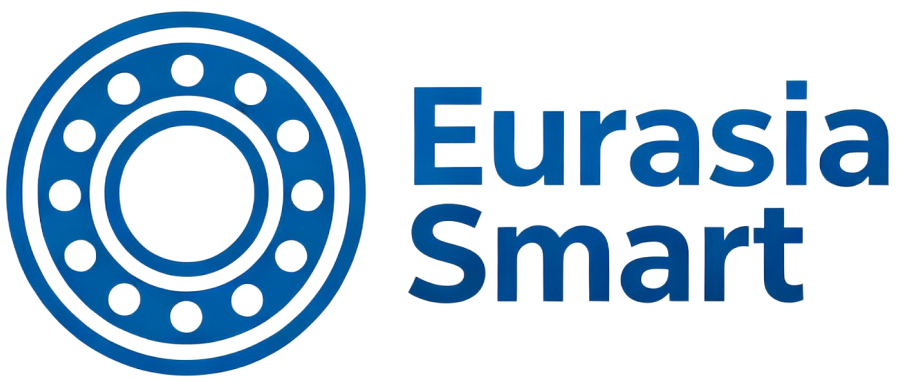
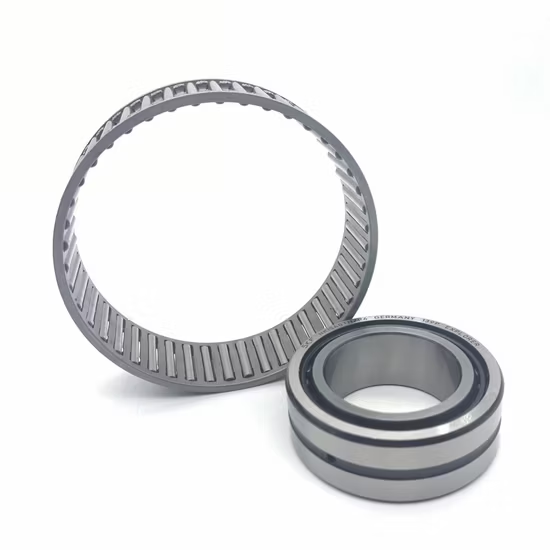

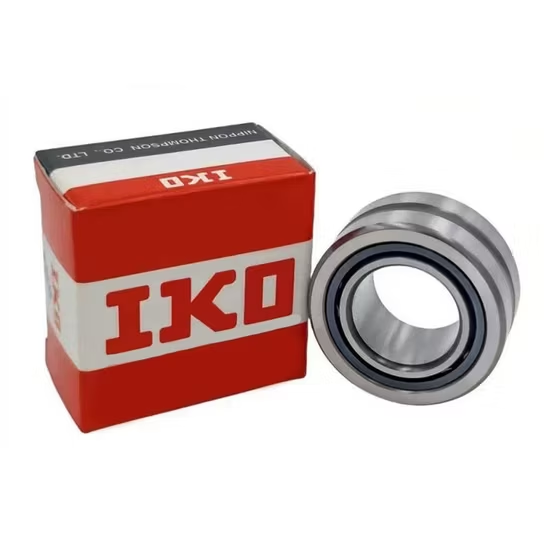


Radial Needle Roller Bearing for Compact High-Load Applications — manufactured from high-grade bearing steel in exact 10x32x17 mm dimensions.
Multi-Brand Authorized Coverage — Sourcing mixed-origin batches from Germany, Japan, and Sweden in a single order eliminates multi-vendor coordination delays.
| Parameter | Value |
|---|---|
| Product Type | Radial Needle Roller Bearing |
| Material Options | High-grade bearing steel |
| Structural Styles | Open type; available with or without inner and outer rings |
| Origin Options | Germany, Japan, Sweden, Malaysia, China |
| Certification | ISO 9001 compliant manufacturing, full batch traceability |
| HS Code | 8482500090 |
| Industry | Typical Applications |
|---|---|
| Industrial Gearboxes | Planetary gear sets, auxiliary shaft support, and high-torque transmission stages |
| Automotive and Heavy Vehicle Repair | Transmission assemblies, rocker arm pivots, and steering column joints |
| Electric Motors | Compact rotor shaft supports and auxiliary drive mechanisms |
| Machine Tool Spindles | Secondary support structures and compact traverse mechanisms |
| Material Handling | Conveyor roller ends, lift mast guide rollers, and articulation joints |
Matching basic envelope dimensions while ignoring internal structural styles guarantees premature field failure.
Procurement teams frequently approve cross-references that align with the basic 10x32x17 mm footprint but overlook critical internal design variations. When a stamped steel cage is mistakenly installed in a high-vibration screening application instead of a machined or specialized cage, the cage pockets fracture under resonant frequencies, leading to catastrophic roller skewing and sudden shaft seizure. As a radial needle roller bearing supplier, we see these misalignments constantly; the base number matches perfectly on paper, but the physical bearing cannot survive the actual dynamic loads .
Selecting the correct configuration depends entirely on the hardness and geometric accuracy of the adjacent machine components. When acting as a technical radial needle roller bearing supplier, we verify whether the application requires a full complement design, a caged variant, or a specific ring configuration. If the shaft and housing are hardened and ground to precise tolerances, a ringless design maximizes the load capacity within the tightest radial envelope. Conversely, when mounting on softer or unground surfaces, specifying a unit with integrated inner or outer rings prevents premature track wear and ensures predictable service life.
Compact needle arrays excel under heavy radial loads but are highly sensitive to misalignment and moment loads. In high-speed electric motors or automotive transmissions, the friction heat generated by the sliding contact between the rollers and the cage demands precise clearance matching and high-quality lubrication. Open designs require continuous external oil flow or periodic relubrication to flush out wear debris, whereas sealed variants trap contaminants but introduce friction limits. Operating beyond the thermal limits of standard bearing steel without adjusting the internal clearance leads to thermal binding and rapid track degradation .
The core advantage of this 10x32x17 mm footprint lies in its structural versatility rather than a single fixed specification. High-grade bearing steel remains the standard for optimal load capacity and wear resistance in compact spaces, but alternative materials are available for specialized environments. Martensitic stainless grades provide substantially higher corrosion resistance for food processing or marine applications, while ceramic rolling elements offer considerably less thermal expansion and electrical insulation for specialized motor spindles. Selecting the right material and cage configuration ensures the bearing survives the specific shock loads and environmental exposure of the target application.
Approving a replacement based solely on outer dimensions often results in unplanned downtime and severe secondary damage. If the internal clearance is too tight for the operating temperature, the rollers skid and smear against the tracks. If the cage material cannot withstand the specific vibration profile, structural collapse follows rapidly. These failures void equipment warranties and force emergency maintenance, proving that a minor oversight in cross-referencing internal geometry carries massive financial consequences .
We prevent these failures by auditing every cross-reference against the actual operating environment, not just the catalog number. Our engineering team verifies that the selected ring configuration matches your shaft hardness and that the cage material aligns with the vibration profile. We source from authorized facilities across Germany, Japan, and Sweden, ensuring that a 10x32x17 mm requirement is met with exact internal geometry, eliminating the guesswork that leads to early cage fractures and thermal binding in the field.
To ensure the selected configuration matches your exact mechanical requirements, provide the equipment model, available radial space, and specific load profiles. Detailing the operating environment, including exposure to moisture, dust, or elevated temperatures, allows our engineering team to determine the optimal material and structural style. This technical review guarantees that the final specification aligns perfectly with your maintenance intervals and performance expectations.
Q: How do I determine the exact structural style needed for my equipment?
A: The correct style depends on the hardness and precision of your shaft and housing. If adjacent surfaces are hardened and ground, a ringless design maximizes load capacity. If surfaces are softer, a unit with integrated rings is required. Provide your component drawings, and our engineering team will specify the exact configuration to prevent track wear.
Q: What are common failure modes in high-load compact applications?
A: Premature failures typically stem from cage fatigue under high vibration, thermal binding due to incorrect internal clearance, or track smearing caused by inadequate lubrication. Misalignment and shock loads also accelerate wear. We analyze your specific load and speed profiles to select a cage material and clearance class that mitigates these specific failure mechanisms.
Q: How can I verify the authenticity of multi-brand bearing batches?
A: We provide comprehensive documentation, including Certificates of Conformity and material test reports. Every batch features traceability codes that can be verified through the manufacturer's official mobile applications. This ensures that whether the origin is Germany, Japan, or Sweden, the metallurgical integrity and dimensional accuracy meet original equipment standards.
Q: What is the process for sourcing alternatives when an OEM designation is obsolete?
A: We perform a comprehensive cross-reference review that goes beyond basic dimensions. By analyzing the original equipment's load, speed, and environmental parameters, we identify equivalent designs from our authorized global network. This ensures the alternative matches the internal geometry and structural style required for reliable operation.
Q: How do material variations impact performance in this compact footprint?
A: While standard bearing steel offers optimal load capacity, alternative materials address specific challenges. Stainless variants provide substantially higher corrosion resistance for washdown environments, and ceramic options reduce thermal expansion in high-speed spindles. Share your environmental constraints, and we will recommend the material that ensures long-term reliability.
Our 5-step process ensures every order is engineered, validated, and supported for optimal performance.
Technical needs assessment
Custom specifications
Free samples for $50k+
Pre-shipment inspection
On-site & predictive
Our certified engineers respond within 24 hours with detailed technical specifications, pricing, and lead time information.


![HK2210 HK2212 HK2216 HK2220 HK2230 Needle Roller Bearing [WARN] draft identifier mismatch](https://skfiso.com/wp-content/uploads/2026/09/hk2210-hk2212-hk2216-hk2220-hk2230-needle-roller-bearing-warn-draft-identifier-mismatch-cbe937.avif)