01
Consultation
Technical needs assessment

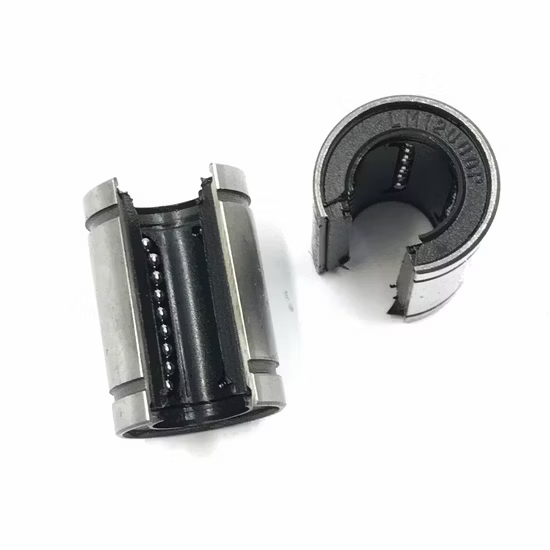
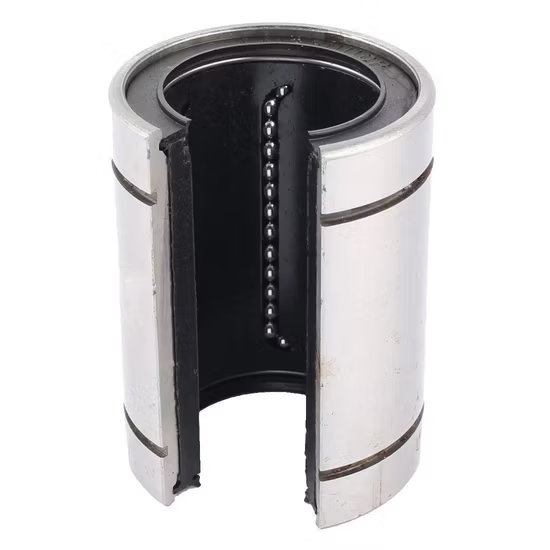
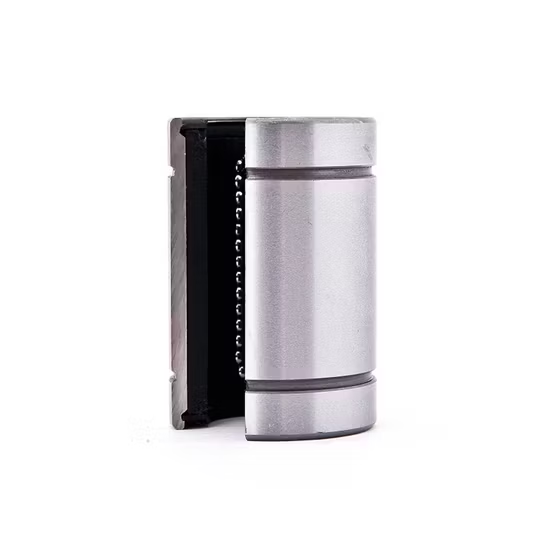
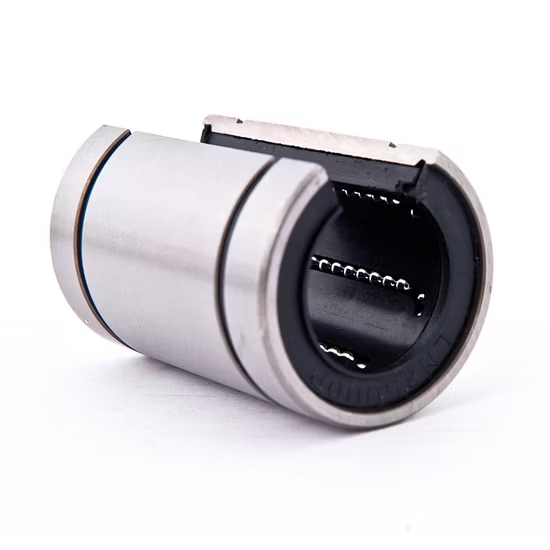
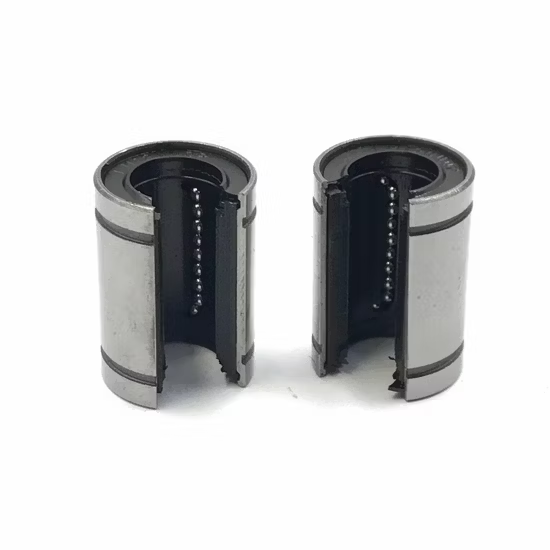
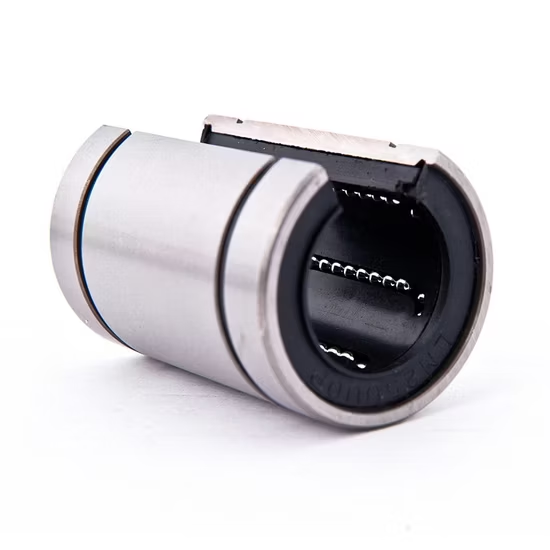
Lm16-Op Open Type Linear Bearing — featuring an open shape for adjustable shaft clearance and a nylon cage for high-speed, low-noise performance.
Cross-reference triple alignment — verifying base number, open shape, and nylon cage to prevent thermal binding in linear guides.
| Parameter | Value |
|---|---|
| Designation | Lm16-Op |
| Product Type | Linear Bearing |
| Shape | Open |
| Series | LM |
| Material Options | Bearing steel (stainless variants available) |
| Cage Material | Nylon |
| Precision Rating | P0, P6, P5, P4, P2 |
| Feature | High-speed and low-noise capability |
| Flange Shape | Circular |
| Industry | Typical Applications |
|---|---|
| Machine Tools | CNC routing axes and spindle slides |
| Robotics | Automation material handling arms |
| Precision Equipment | Measurement slides and optical positioning |
| Additive Manufacturing | 3D printer gantry and extruder carriages |
Matching the base designation without verifying the open shape and cage material leads to rapid guide rail failure.
Procurement teams often source replacement parts by matching the primary series number, overlooking critical internal differences. In our workshop, we frequently see automated lines shut down because a standard closed linear block was forced onto an adjustable rail, or a metallic cage was installed in a high-frequency reciprocating application. These cross-reference errors cause premature binding, excessive vibration, and catastrophic carriage damage . Sourcing the correct Lm16-Op linear bearing requires strict verification of the open profile and polymer cage to maintain system rigidity and smooth travel.
The open shape design is specifically engineered for applications requiring adjustable clearance. By allowing the housing to compress slightly around the shaft, this Lm16-Op linear bearing achieves optimal preload and rigidity. We ensure every cross-reference matches this exact open geometry, preventing the installation of closed variants that would bind on adjustable shafts and destroy the guide rail surface.
In high-speed automation, the internal components face intense cyclic stress. The nylon cage construction minimizes inertial forces and reduces friction against the rolling elements. This ensures low-noise operation and prevents the early cage fragmentation we often witness when metallic cages are mistakenly specified for rapid, short-stroke reciprocating movements .
The "Op" suffix explicitly denotes the open-end or open-type geometry, a critical distinction from standard closed linear blocks. Furthermore, selecting the appropriate precision class from P0 to P2 dictates the running accuracy of the entire CNC or measurement slide. Higher precision grades minimize geometric deviations, ensuring the linear guide maintains tight tolerances under dynamic loading conditions.
Installing a mismatched linear block voids equipment warranties and triggers unplanned downtime. According to failure analysis frameworks, incorrect clearance or cage material selection accelerates surface fatigue and causes thermal binding . This premature failure often damages the hardened shaft, turning a simple component replacement into a costly assembly rebuild.
We do not just ship the requested part number; we verify the application parameters. For the open series, we confirm the housing slot dimensions and shaft hardness to ensure proper clamping force. Our batch traceability guarantees the material integrity of the bearing steel, while our cross-brand interchange expertise ensures the replacement matches the original equipment manufacturer's exact clearance and cage specifications.
Provide your radial and axial load profiles, travel speed, and operating temperatures so our engineering team can verify the L10 life and recommend the optimal precision grade. Sharing the OEM equipment number or existing guide rail shaft diameter allows us to perform a precise cross-reference check. This ensures the open geometry and cage material perfectly match your automation or CNC requirements.
Q: What is the functional difference between open and closed linear bearings?
A: Open linear blocks feature a slotted outer shell that allows the housing to compress around the shaft when bolted down. This adjustability lets engineers fine-tune the clearance and preload, eliminating play in precision CNC axes, whereas closed variants have a fixed inner diameter and cannot be adjusted for wear or thermal expansion.
Q: How do cross-reference errors cause thermal binding in linear systems?
A: If a replacement block matches the base number but uses a metallic cage instead of the specified nylon, the higher friction and inertia during high-speed reciprocation generate excess heat. This thermal buildup expands the components, eliminating the operating clearance and causing the carriage to bind and seize on the guide rail.
Q: What authenticity steps prevent counterfeit linear bearing failures?
A: Counterfeit blocks often use soft, improperly hardened steel that deforms under load. We prevent this by providing full batch traceability and country-of-origin documentation. Buyers can also use the manufacturer's official app to scan the QR code on the packaging, verifying the exact production lot and ensuring genuine material integrity.
Q: How does the precision rating impact CNC equipment running accuracy?
A: The precision rating dictates the dimensional tolerances and geometric deviations of the linear block. Upgrading from a standard P0 to a higher P4 or P2 grade significantly reduces pitch, yaw, and roll errors during travel. This tight control is essential for precision measuring instruments and high-speed machine tool spindles where microscopic deviations ruin part finishes.
Our 5-step process ensures every order is engineered, validated, and supported for optimal performance.
Technical needs assessment
Custom specifications
Free samples for $50k+
Pre-shipment inspection
On-site & predictive
Our certified engineers respond within 24 hours with detailed technical specifications, pricing, and lead time information.