01
Consultation
Technical needs assessment

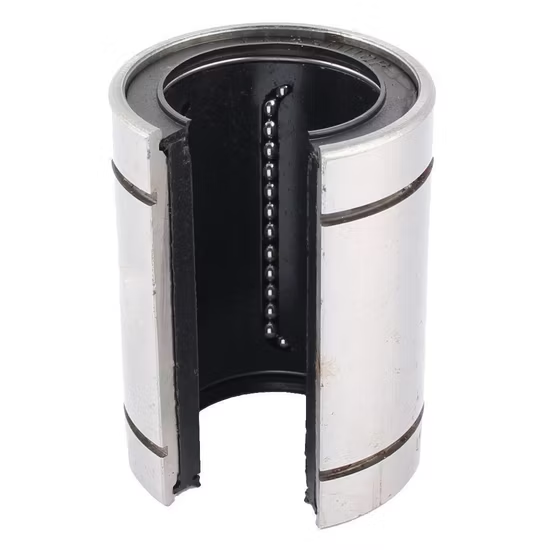
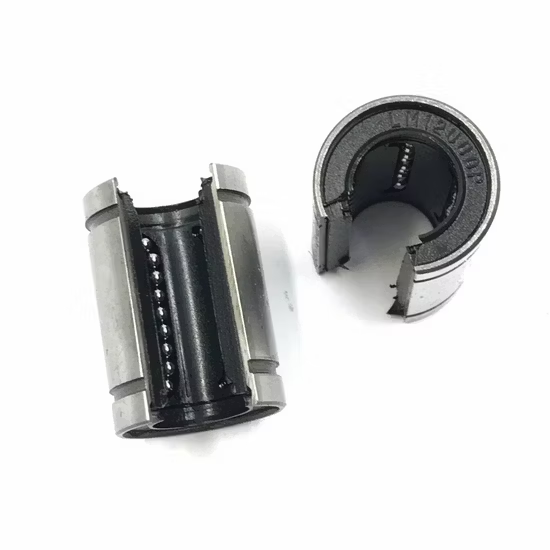
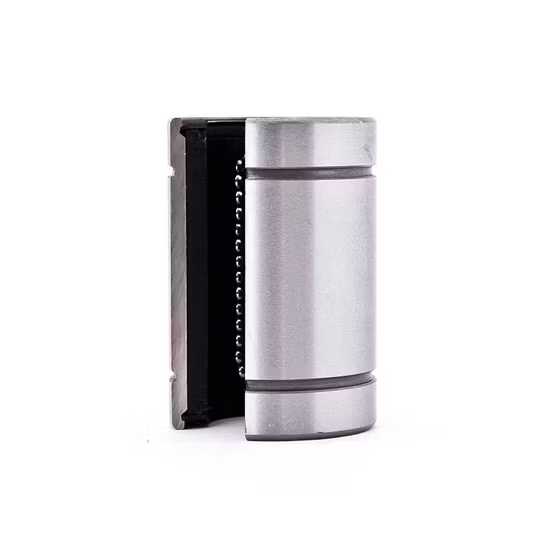
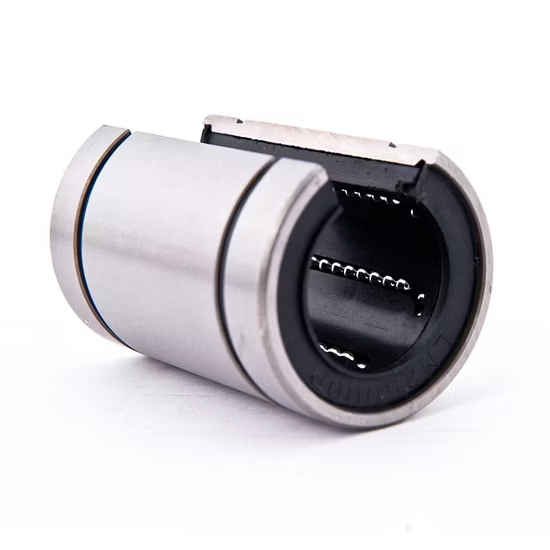
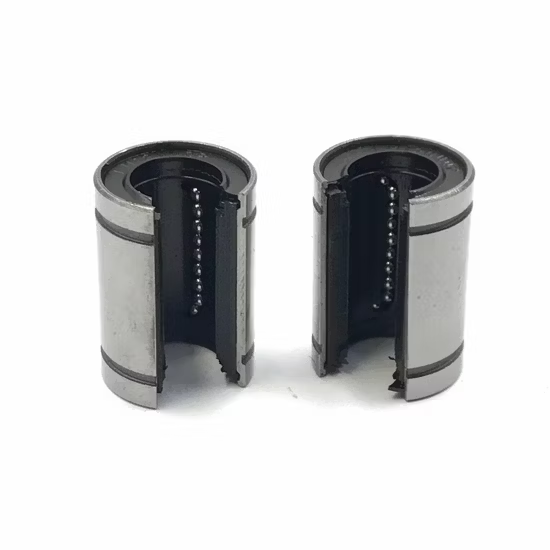

Lm50-Op Open Type Linear Bearing — open design enables adjustable clearance and precise preload adjustment for linear motion systems. The nylon cage reduces friction and noise during high-speed operation, while bearing steel construction provides lasting durability in high-temperature industrial environments. Each shipment includes a full documentation package with material certificates and dimensional inspection reports for complete batch traceability.
Verified via official apps — Every Lm50-Op ships with scannable QR codes linking directly to the manufacturer's authentication database to eliminate counterfeit risks.
| Parameter | Value |
|---|---|
| Designation | Lm50-Op |
| Bearing Type | Linear Bearing |
| Shape | Open |
| Flange Shape | Circular |
| Material | Bearing Steel |
| Cage Material | Nylon Cage |
| Precision Class | P0, P6, P5, P4, P2 |
| Feature | High Temperature, High Speed |
| Customization | Available |
| Industry | Typical Applications |
|---|---|
| Machine Tools | CNC spindle linear guide carriages |
| Robotics | Cartesian robot linear motion axes |
| Precision Equipment | Optical measurement stage slides |
| Industrial Automation | High-speed pick-and-place linear modules |
Finding a reliable Lm50-Op linear bearing supplier is only the first step; understanding why the open design matters prevents catastrophic thermal binding in high-speed applications.
Open-type linear bearings allow for adjustable clearance, accommodating thermal expansion that would otherwise seize closed designs.
Years ago, I troubleshooted a batch of linear bearings in a Dubai manufacturing facility where high-speed friction generated excessive heat. The closed bearings expanded and locked onto the shaft, causing severe vibration and eventual cage fracture. Open designs solve this by allowing the housing to compress slightly around the bearing, maintaining optimal running clearance even under thermal load. Ignoring this design nuance leads to a significant share of premature failures in automated machinery .
The Lm50-Op linear bearing supplier catalog highlights the nylon cage, which is critical for high-speed automation. Unlike metal cages, the polymer construction minimizes friction and operates quietly, which is essential for precision equipment like optical measurement stages. When guiding high-speed Cartesian robot axes, the reduced mass of the nylon cage lowers centrifugal forces on the rolling elements, ensuring smooth linear motion and extending the service interval.
Linear guides in CNC machinery face intense friction and localized heat generation, especially during rapid traverse rates. At elevated temperatures, standard bearing steel expands, which can eliminate internal clearance and cause the rolling elements to skid rather than roll. Proper lubrication is vital to manage this heat, but the open design of the Lm50-Op also allows for external lubrication systems to flush the raceway directly. This continuous oil or grease flow not only reduces friction but also carries away metallic wear particles that would otherwise degrade the nylon cage .
The "Op" suffix explicitly designates the open shape, meaning the bearing has a longitudinal slit along its outer cylinder. This slit allows the bearing to deform slightly when clamped in an adjustable housing, enabling precise preload adjustment. For machine tool spindles requiring extreme accuracy, selecting a P4 or P2 precision class ensures the dimensional tolerances match the tight requirements of the linear shaft. Pairing an open design with high-precision grinding eliminates the microscopic play that causes chatter marks on machined surfaces.
Failing to utilize the adjustable nature of an open-type bearing often results in unplanned downtime. If a closed bearing is forced onto a shaft with slight misalignment or thermal growth, the resulting internal stress causes premature fatigue and catastrophic damage to the linear guide profile. According to ISO 15243 frameworks, this manifests as smearing on the raceway and rapid cage degradation. The cost of replacing a seized linear axis far exceeds the initial investment in properly specified open-type components .
Sourcing from an authorized Lm50-Op linear bearing supplier guarantees that the cross-reference aligns perfectly with your OEM requirements. Counterfeit linear bearings often feature soft inner rings that wear rapidly under load. We verify the base designation, the open shape, and the specific nylon cage material to ensure exact interchangeability. Every batch we supply includes full traceability, meaning you can verify the metallurgical origin and manufacturing date before the components ever reach your assembly floor.
To ensure the Lm50-Op integrates flawlessly into your system, provide your radial and axial load profiles, operating speeds, and ambient temperature ranges. Sharing the OEM equipment designation allows our engineering team to perform a thorough cross-reference check, verifying that the open shape and precision class match your specific linear shaft diameter and housing tolerances. This technical review prevents assembly interference and optimizes the L10 life of your linear guides.
Q: How do I verify the authenticity of the Lm50-Op using official apps?
A: Each bearing features a unique QR code on its packaging. Scanning this code with the manufacturer's official mobile application instantly verifies the batch number, production date, and material specifications, ensuring you have received genuine bearing steel components with the correct nylon cage.
Q: What are the critical cross-reference checks for open-type linear bearings?
A: Beyond matching the base 50mm size, you must verify the "Op" suffix to ensure the bearing has the longitudinal slit for adjustability. We also cross-check the cage material and precision class to guarantee compatibility with your specific linear shaft hardness and housing design.
Q: How does the nylon cage perform in high-speed linear applications?
A: The nylon cage offers a noticeably lower friction coefficient and reduced weight compared to metal alternatives. This minimizes heat generation and vibration at high traverse speeds, making it highly suitable for rapid automation axes where smooth, quiet motion is critical.
Q: How do I determine the correct precision class for machine tool spindles?
A: Machine tool applications typically require P5, P4, or P2 precision classes to prevent microscopic play that causes machining chatter. Provide your required positional accuracy and load data, and our engineering team will recommend the exact tolerance grade for your linear guide system.
Our 5-step process ensures every order is engineered, validated, and supported for optimal performance.
Technical needs assessment
Custom specifications
Free samples for $50k+
Pre-shipment inspection
On-site & predictive
Our certified engineers respond within 24 hours with detailed technical specifications, pricing, and lead time information.


