01
Consultation
Technical needs assessment

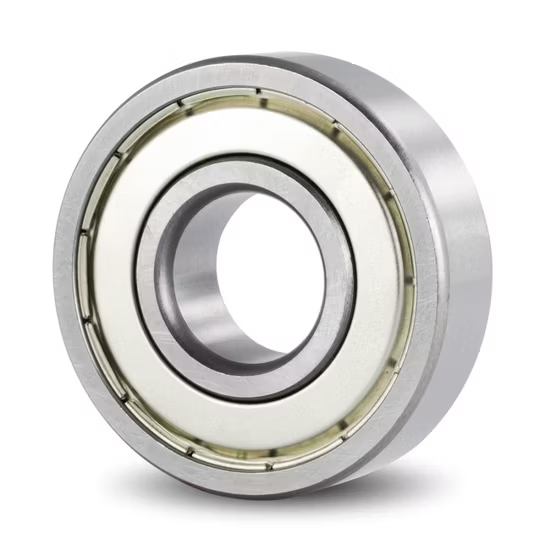
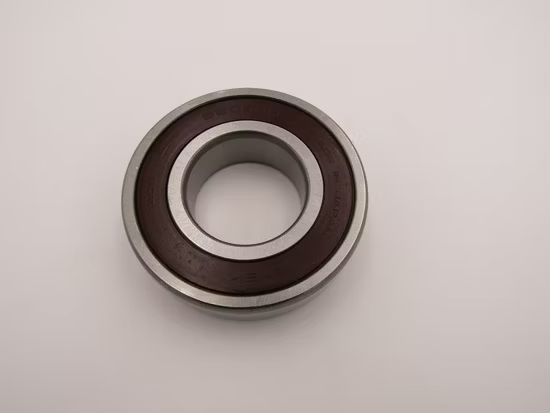
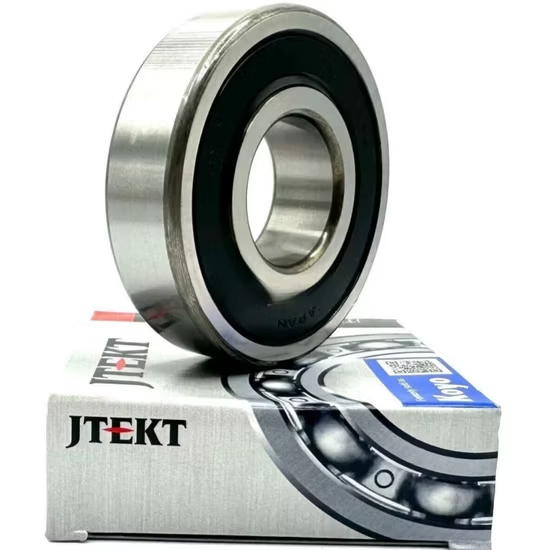
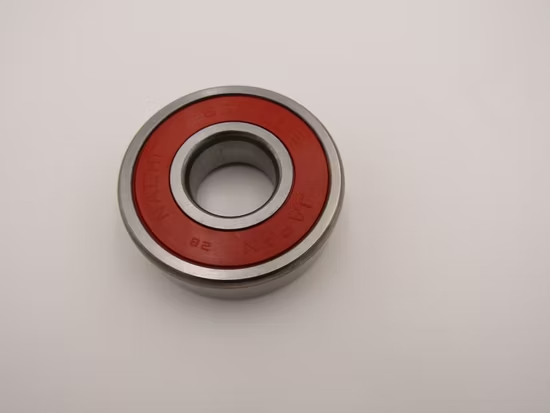

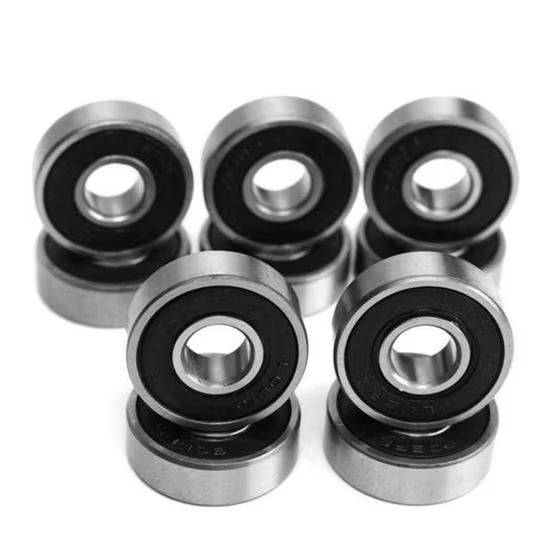
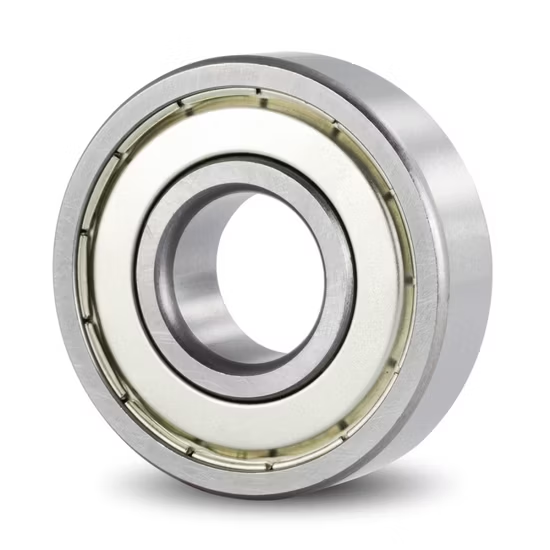
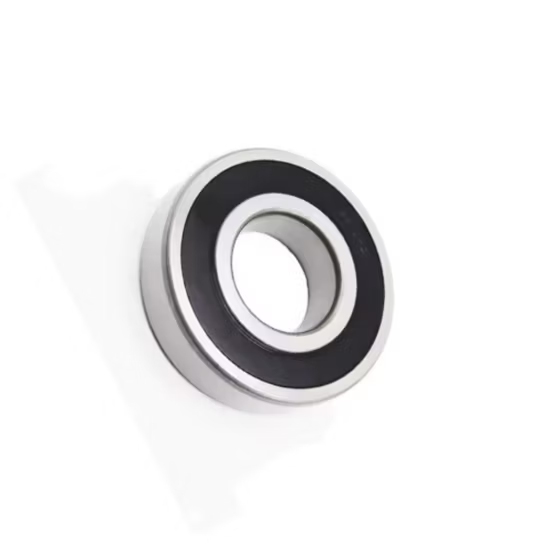
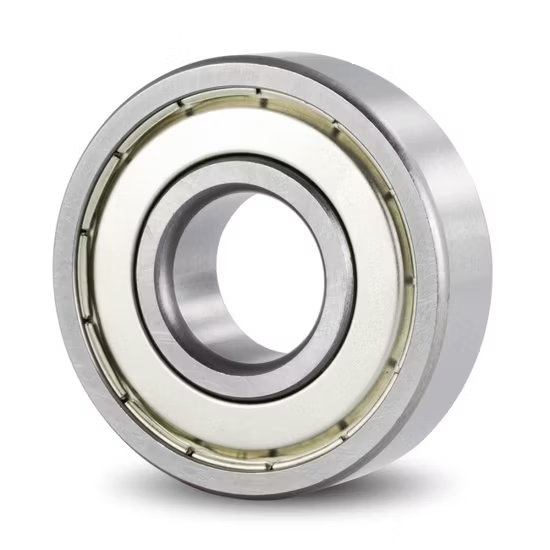
Koyo 6206 Zz / Koyo 6206 2RS Deep Groove Ball Bearing 30×62×16 mm
Multi-brand authorized coverage — Consolidate your Koyo, SKF, and FAG requirements into a single shipment without juggling multiple suppliers.
| Parameter | Value |
|---|---|
| Designation | Koyo 6206 Zz / Koyo 6206 2RS |
| Bearing Type | Deep Groove Ball Bearing |
| Bore Diameter (d) | 30 mm |
| Outside Diameter (D) | 62 mm |
| Width (B) | 16 mm |
| Seal or Shield Type | Iron Shields (Zz) / Rubber Seals (2RS) |
| Noise and Vibration Level | Z1V1, Z2V2, Z3V3, Z4V4 |
| Industry | Typical Applications |
|---|---|
| Electric Motors | Rotor shaft support requiring low noise and high-speed stability |
| Industrial Gearboxes | Intermediate shafts handling combined radial and moderate axial loads |
| Material Handling | Conveyor drive pulleys and idler rollers exposed to dust |
Matching the base number is never enough; the suffix dictates survival.
I have seen too many procurement engineers in Dongguan order standard components for high-temperature or heavy-washdown environments, only to face catastrophic motor seizures weeks later. When a standard shield is forced into a wet application, or a standard clearance is used where thermal expansion demands a C3 fit, the internal geometry collapses under operational stress . Securing the exact Koyo 6206 ZZ 2RS deep groove ball bearing configuration prevents these silent killers from reaching your assembly line.
Selecting the correct Koyo 6206 ZZ 2RS deep groove ball bearing variant depends entirely on your contamination profile. The iron shield variant excels in dry, high-speed electric motor applications where minimizing friction heat is paramount. Conversely, the rubber seal configuration provides the aggressive moisture and particulate exclusion needed for outdoor conveyors or agricultural gearboxes. Our technical team reviews your specific environmental exposure to ensure the sealing suffix aligns perfectly with your operational reality.
Rotating equipment generates internal heat that fundamentally alters internal clearances. If an electric motor operates at elevated temperatures without the appropriate thermal expansion allowance, the rolling elements will bind against the raceway, leading to rapid cage failure . Furthermore, combined loads from misaligned conveyor belts demand deep groove geometries that can absorb moderate axial thrust without edge-loading the balls. Proper lubrication selection and seal friction management are equally critical to prevent premature grease degradation in continuous-duty cycles.
The distinction between these two suffixes defines the friction and protection boundaries of the component. The Zz configuration utilizes non-contact iron shields, offering excellent dust protection while maintaining the high-speed limiting factors required for precision appliances and electric motors. The 2RS design employs contact rubber seals that create a physical barrier against liquid ingress, though this introduces slight rotational friction. Selecting between these options requires balancing the need for absolute contamination exclusion against the acceptable thermal limits of your specific machinery.
Ignoring suffix precision leads directly to unplanned downtime and severe secondary damage to surrounding housings. When a non-contact shield is mistakenly installed in a washdown environment, moisture ingress rapidly corrodes the raceway, violating ISO 281 life calculation assumptions . This premature failure not only halts production but often destroys the motor shaft or gearbox casing, transforming a simple component replacement into a major mechanical overhaul that voids equipment warranties.
The market is flooded with cloned components featuring soft inner rings that fail under basic operational loads. We source exclusively through authorized channels, ensuring every Koyo 6206 ZZ 2RS deep groove ball bearing arrives with verifiable manufacturer lineage. Our cross-reference expertise guarantees that the clearance, cage material, and seal type perfectly match your OEM requirements, not just the base designation. We reject compromised inventory, providing technical validation that protects your equipment from the devastating impact of fake parts.
To ensure optimal performance, please provide your specific radial and axial load profiles, operational speeds, and ambient temperature ranges. Sharing your OEM equipment numbers allows our engineering team to perform a precise cross-reference check, verifying that the internal clearance and sealing arrangements match the original design intent. This technical review guarantees the selected configuration will deliver the expected service life in your exact working environment.
Q: How can I verify the authenticity of the received bearings?
A: Every unit we supply features a unique QR code that can be scanned using the official manufacturer mobile application. This digital verification links the physical component directly to the original production batch, instantly confirming its genuine origin and protecting your operations from the severe risks associated with counterfeit parts featuring substandard metallurgy.
Q: Which sealing option is better for an electric motor application?
A: For standard electric motors operating in clean, dry environments, the Zz iron shield configuration is typically preferred due to its non-contact design, which minimizes friction and heat generation. However, if the motor is exposed to high humidity or liquid spray, the 2RS rubber seal variant is necessary to prevent moisture ingress and subsequent raceway corrosion.
Q: Why is cross-referencing more than just matching the base 6206 number?
A: Matching the base number only confirms the physical dimensions. A complete cross-reference must also align the internal clearance, precision grade, and sealing suffixes. Installing a standard clearance component in an application requiring thermal expansion allowances will cause internal binding, leading to rapid failure despite the physical dimensions fitting the housing perfectly.
Q: What do the Z1V1 to Z4V4 noise and vibration grades indicate?
A: These grades classify the strictness of the manufacturing tolerances regarding acoustic emissions and rotational smoothness. Higher grades, such as Z3V3 or Z4V4, indicate exceptionally low noise and vibration levels, which are critical for precision household appliances and high-speed electric motors where operational quietness and smooth rotation are primary design requirements.
Our 5-step process ensures every order is engineered, validated, and supported for optimal performance.
Technical needs assessment
Custom specifications
Free samples for $50k+
Pre-shipment inspection
On-site & predictive
Our certified engineers respond within 24 hours with detailed technical specifications, pricing, and lead time information.