01
Consultation
Technical needs assessment

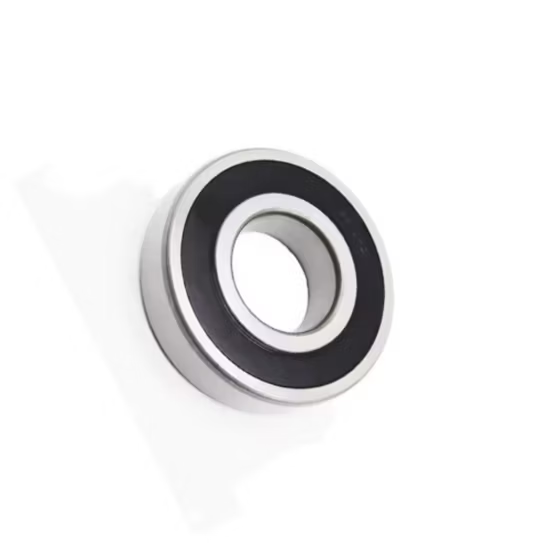
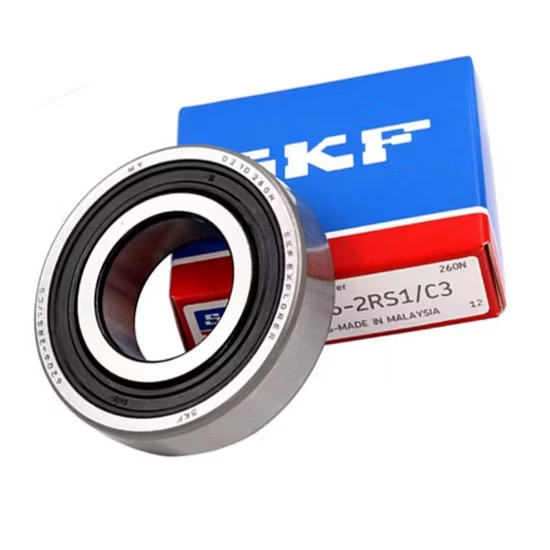
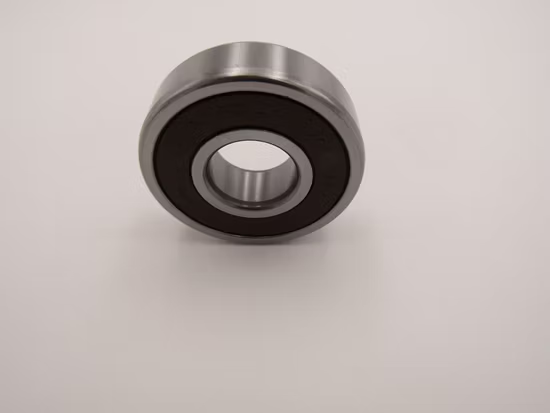
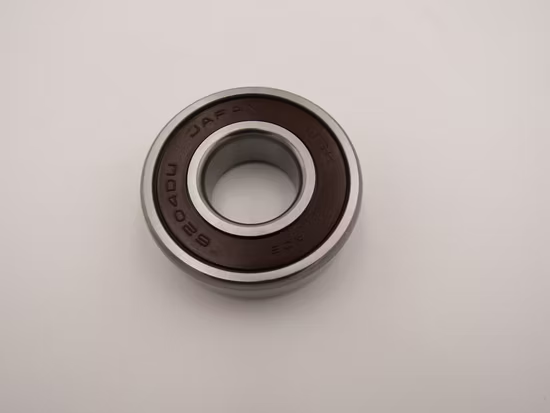
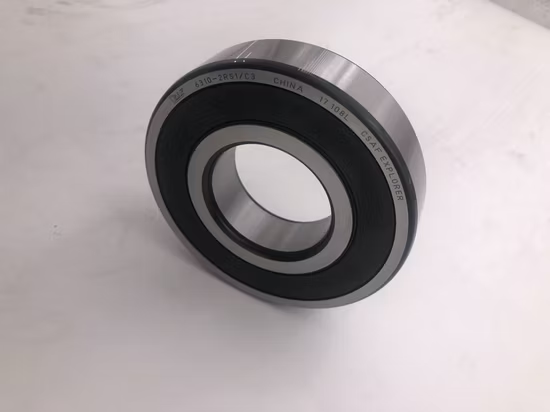
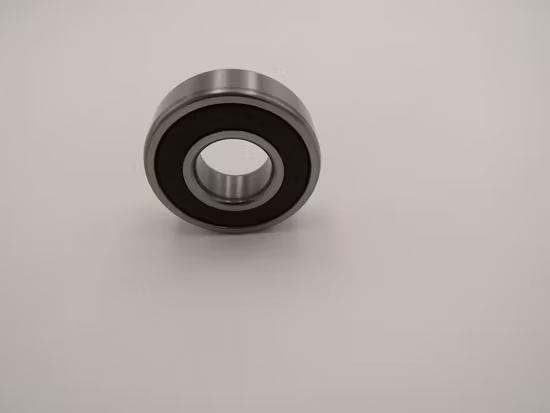
6311 6312 6313 2RS Deep Groove Ball Bearing — manufactured from GCr15 steel for reliable contact fatigue strength in general machinery.
Cross-reference alignment verified — Base numbers 6311 6312 6313 2RS are matched strictly on clearance, cage material, and precision suffixes to prevent thermal binding in the field.
| Parameter | Value |
|---|---|
| Designation | 6311 6312 6313 2RS |
| Bearing Type | Deep Groove Ball Bearing |
| Structure | Deep Groove |
| Seal or Shield Type | ZZ / 2RS / Open |
| Material | GCr15 Bearing Steel |
| Origin | Shanghai |
| Applicable Industries | Building Material Shops, Manufacturing Plants, Machinery |
Note: The 2RS suffix designation is an unverified suffix — requires manufacturer catalog confirmation, as standard catalog codes often use 2RS1 or 2RSH.
| Industry | Typical Applications |
|---|---|
| Manufacturing Plants | General machinery drive shafts, conveyor pulley supports |
| Building Material Shops | Mixer drum support rollers, vibrating screen eccentric shafts |
| Electric Motors & Pumps | Medium-sized motor rotor supports, centrifugal pump shafts |
| Gearboxes | Intermediate shaft supports, input/output shaft positioning |
A matching base number means nothing if the internal clearance and seal configuration contradict the operating environment.
Procurement teams often approve cross-references based solely on the base designation, overlooking critical suffix variations. When a standard clearance unit is forced into a high-temperature motor application, thermal expansion eliminates the internal gap, leading to catastrophic seizure. Similarly, substituting a non-contact shield for a contact seal in a dusty building material plant allows abrasive particles to infiltrate the raceway. These cross-reference errors cause a significant share of premature failures that are wrongly blamed on material quality .
Selecting the correct configuration for a 6311 6312 6313 2RS deep groove ball bearing requires looking beyond the catalog number. Our technical sales team reviews your specific radial loads, axial thrust, and ambient temperatures to ensure the selected seal type and internal geometry perfectly match the equipment's operational demands, preventing early degradation.
Industrial environments subject deep groove structures to severe thermal cycling and heavy particulate contamination. In building material shops, airborne dust rapidly degrades open or lightly shielded bearings, while manufacturing plants often experience localized heat buildup that alters internal clearance. Selecting the appropriate contact seal prevents lubricant washout and particle ingress, but it also introduces friction heat that must be accounted for during the initial clearance selection to avoid operational binding .
The deep groove architecture inherently supports substantial radial loads alongside moderate bidirectional axial thrust. When specifying seal variants, engineers must balance contamination exclusion against friction generation; rubber contact seals offer superior protection in dirty environments but generate more heat than steel shields. Internal clearance is equally critical. Standard clearance suits typical ambient temperatures, whereas applications involving hot shafts or tight interference fits demand larger internal gaps to compensate for thermal expansion and mounting compression. Understanding these trade-offs ensures the bearing operates within its optimal kinematic envelope.
Deploying a bearing with incorrect internal clearance or incompatible seal friction characteristics inevitably leads to unplanned downtime. The resulting thermal runaway accelerates cage wear and raceway spalling, culminating in catastrophic damage to adjacent shaft components. Such premature failures not only void equipment warranties but also trigger expensive emergency maintenance cycles that disrupt entire production lines .
Sourcing mixed-brand requirements from a single authorized distributor eliminates the coordination delays typical of fragmented supply chains. We verify cross-references by aligning clearance classes, cage materials, and precision grades, ensuring the替代 part behaves identically to the original. Every batch is traced back to the manufacturer, and we reject units with soft inner rings or cloned verification codes. Furthermore, our application-based selection review covers load dynamics and mounting conditions to prevent field failures before the order is even placed.
To facilitate an accurate technical review, please provide the specific radial and axial load profiles, operating speeds, and ambient temperature ranges. Supplying the original OEM equipment numbers allows our engineering team to perform a precise cross-reference check, ensuring the proposed configuration aligns perfectly with your machinery's spatial and kinematic constraints.
Q: Why does a matching base number still cause field failures?
A: Base numbers only define boundary dimensions. If the cross-referenced unit lacks the correct internal clearance or features an incompatible cage material, it will suffer thermal binding or structural fatigue under load. We align all suffix parameters to guarantee functional equivalence.
Q: How do contact seals differ from shields in dusty environments?
A: Contact rubber seals physically wipe the inner ring, offering maximum exclusion of fine dust found in building material shops, but they generate higher friction. Steel shields provide a non-contact gap that reduces heat but allows fine particulate ingress over time.
Q: What is the most reliable way to verify bearing authenticity?
A: Visual inspection often misses soft inner rings or high-quality cloned packaging. Scanning the packaging QR code through the brand's official mobile application provides direct validation against the manufacturer's secure database, instantly confirming batch legitimacy.
Q: When should I specify a larger internal clearance class?
A: Standard clearance works for ambient conditions. However, if the application involves high operating temperatures, heavy interference fits on the shaft, or significant thermal gradients across the bearing rings, a larger clearance class is mandatory to prevent operational seizure.
Our 5-step process ensures every order is engineered, validated, and supported for optimal performance.
Technical needs assessment
Custom specifications
Free samples for $50k+
Pre-shipment inspection
On-site & predictive
Our certified engineers respond within 24 hours with detailed technical specifications, pricing, and lead time information.


