01
Consultation
Technical needs assessment


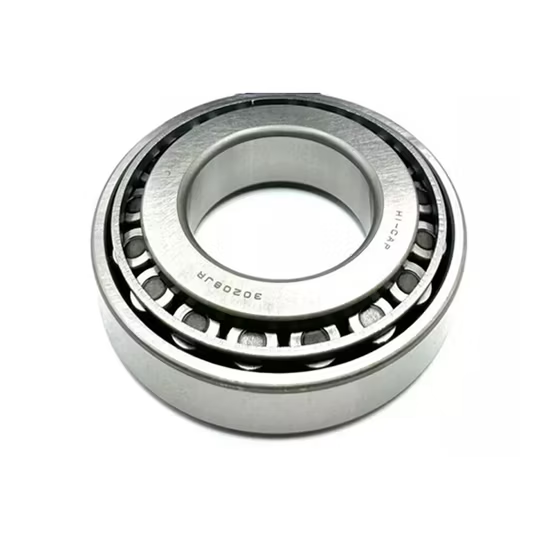
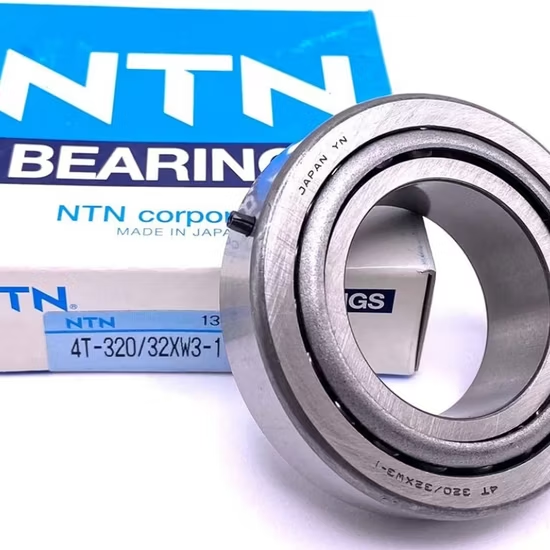
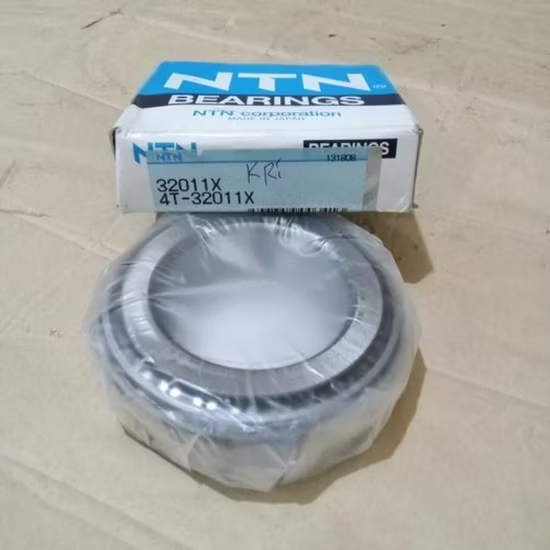
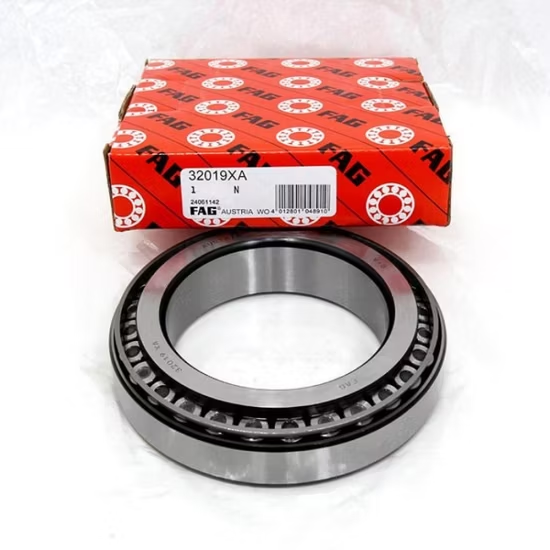

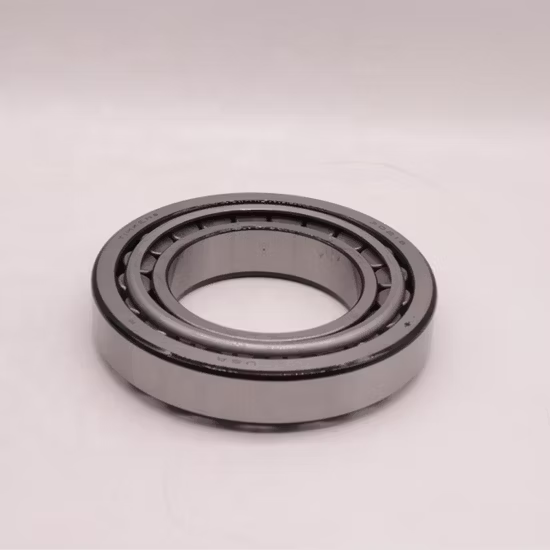
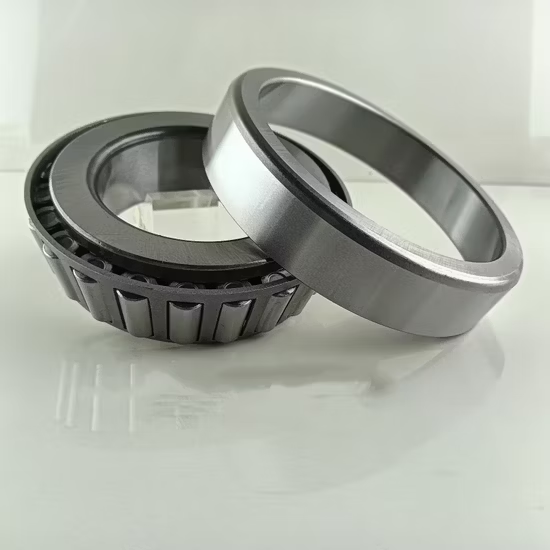
30200 30201 Tapered Roller Bearing P4 — Single row metric tapered roller bearings manufactured from GCr15 steel, engineered to handle combined radial and axial loads in automotive wheel hubs and industrial gearboxes. The P4 precision class guarantees tight dimensional and running accuracy for demanding high-speed operations.
Factory Batch Traceability — Every 30200 30201 tapered roller bearing ships with verifiable lot documentation linking directly to the manufacturer's production records.
| Parameter | Value |
|---|---|
| Designation | 30200 30201 |
| Bearing Type | Tapered Roller Bearing |
| Number of Rows | Single Row |
| Structure | Taper |
| Precision Class | P4 |
| Material | GCr15 bearing steel |
| Cage Material Options | Nylon, brass, or iron variants |
| Origin | Shanghai |
| Cross-reference Equivalents | 02474/02420, 02872/02820, Set50, 15112/15245 |
| Industry | Typical Applications |
|---|---|
| Automotive & Heavy Vehicles | Wheel hubs, truck axles, and steering columns |
| Industrial Power Transmission | Heavy-duty gearboxes and reduction drive shafts |
| Material Handling | Conveyor drive rollers and forklift mast assemblies |
Matching the basic designation without verifying internal clearances and cage materials inevitably leads to thermal binding under heavy axial loads.
In the aftermarket, a significant share of premature failures stems from procurement teams ordering parts that match the basic metric or inch numbers but ignore critical internal variations. When a standard clearance unit is forced into an application demanding thermal expansion allowances, the rolling elements seize as operating temperatures rise. This oversight causes catastrophic damage to the shaft and housing, turning a simple replacement into a major repair event . Relying solely on base numbers without technical validation leaves heavy machinery vulnerable to unplanned downtime.
Selecting the right 30200 30201 tapered roller bearing requires aligning the internal geometry with the specific load profile of the equipment. Tapered designs excel at managing simultaneous radial and axial forces, making them indispensable for wheel hubs and gearbox shafts. Our technical team reviews the exact load vectors and mounting arrangements to ensure the selected cross-reference equivalent handles the combined stresses without premature fatigue. This application-based selection prevents the common mistake of installing a component that technically fits the bore but lacks the structural capacity for the operational environment.
Drivetrain components experience intense friction and heat generation during continuous operation. As temperatures climb, the inner ring expands, reducing internal clearance and increasing friction if the initial gap was insufficient. Proper lubrication is equally critical; heavy axial loads demand oil or grease with high film strength to prevent metal-to-metal contact at the roller large ends . Neglecting the thermal behavior of the housing and shaft materials during assembly often results in excessive preload, accelerating cage wear and eventual seizure.
The P4 precision rating ensures tighter dimensional and running accuracy, which is vital for minimizing vibration in high-speed gearbox applications. GCr15 bearing steel provides the necessary core hardness and wear resistance to withstand severe contact stresses at the raceways. Furthermore, the availability of varied cage materials allows for precise tuning: nylon cages offer low friction and quiet operation for moderate temperatures, while brass or iron variants provide superior durability and heat dissipation in harsh, high-load environments where structural rigidity is paramount.
Procuring a replacement based purely on a visual match or a basic part number often results in severe financial penalties down the line. When internal design parameters like contact angle or cage clearance are mismatched, the component experiences accelerated spalling and edge loading. This leads to catastrophic damage to adjacent seals and housings, voiding equipment warranties and forcing extended production halts. Adhering to failure analysis frameworks shows that a vast majority of these breakdowns are entirely preventable with rigorous cross-reference alignment .
Our distribution network guarantees that every cross-reference equivalent is validated for internal design, not just outer dimensions. We address the frequent trap of mismatched clearance classes by verifying that the thermal expansion requirements of your specific axle or gearbox are met. Batch traceability is maintained for every shipment, ensuring you receive genuine GCr15 steel components rather than counterfeit units with soft inner rings. Our technical review process catches suffix discrepancies before the order is finalized, protecting your machinery from the devastating effects of improper preload arrangements.
To ensure the selected cross-reference equivalent perfectly matches your equipment, please provide the specific radial and axial load values, operating speeds, and typical temperature ranges. Sharing the exact OEM equipment number or housing dimensions allows our engineering team to perform a rigorous L10 life calculation and verify the internal clearance requirements. This technical data enables us to recommend the optimal cage material and confirm that the P4 precision rating aligns with your performance expectations.
Q: How do you verify authenticity and batch traceability for these tapered roller bearings?
A: Every unit is sourced through authorized channels and includes a Certificate of Conformity linked to the manufacturer's production records. You can scan the QR code using the brand's official app to instantly verify the batch number, ensuring the GCr15 steel components are genuine and fully traceable from the factory to your facility.
Q: Why must clearance and cage materials align during cross-referencing?
A: Matching only the base designation often ignores critical internal variations. If a standard clearance unit is installed where thermal expansion demands a larger gap, the bearing will experience thermal binding and seize. Aligning the cage material and precision suffixes ensures the component can handle the specific heat and load profiles of your application.
Q: What are the selection boundaries between nylon, brass, and iron cages?
A: Nylon cages offer low friction and quiet operation, making them suitable for moderate temperatures and speeds. Brass and iron variants provide superior structural rigidity and heat dissipation, which are essential for heavy-load, high-temperature environments like industrial gearboxes or heavy truck axles where cage durability is critical.
Q: How does the P4 precision class differ from standard grades in operation?
A: The P4 rating guarantees significantly tighter dimensional and running accuracy compared to standard grades. This reduced tolerance variation minimizes vibration and heat generation during high-speed rotation, which is vital for extending the service life of precision spindles and high-performance automotive wheel hubs.
Q: What mounting practices are recommended for single row tapered configurations?
A: Proper installation requires controlling the internal clearance during assembly. We recommend using induction heating for the inner ring to expand it uniformly without damaging the P4 precision raceways. Accurate adjustment of the shaft nut or shims is crucial to establish the correct operating preload and prevent premature edge loading on the rollers.
Our 5-step process ensures every order is engineered, validated, and supported for optimal performance.
Technical needs assessment
Custom specifications
Free samples for $50k+
Pre-shipment inspection
On-site & predictive
Our certified engineers respond within 24 hours with detailed technical specifications, pricing, and lead time information.