01
Consultation
Technical needs assessment

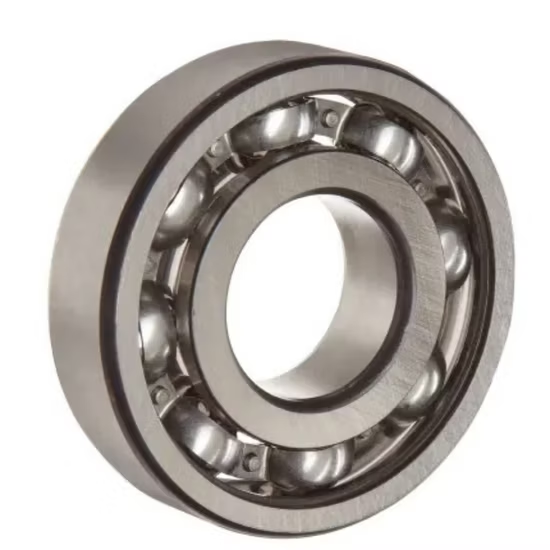
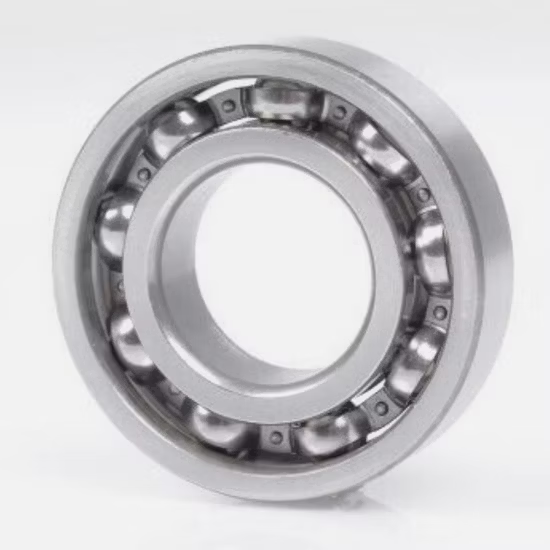
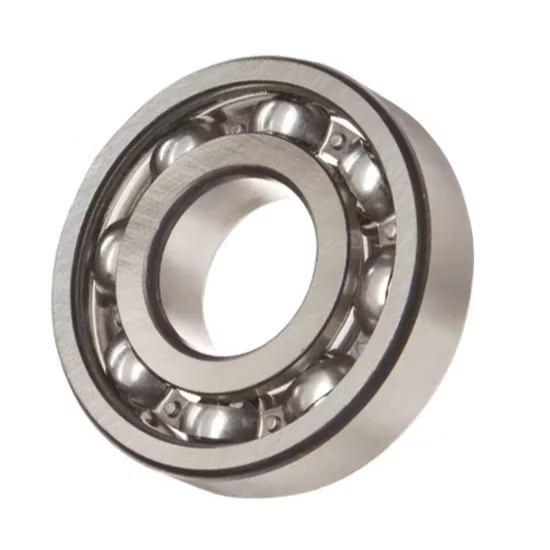
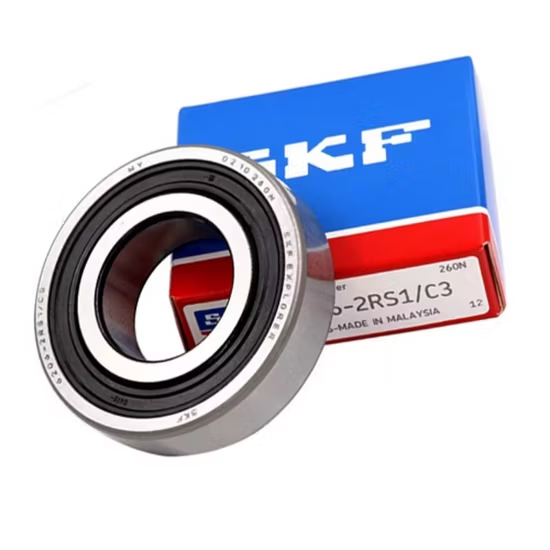

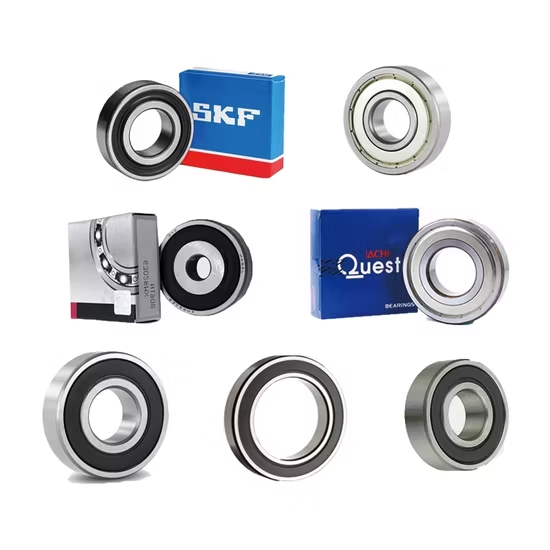
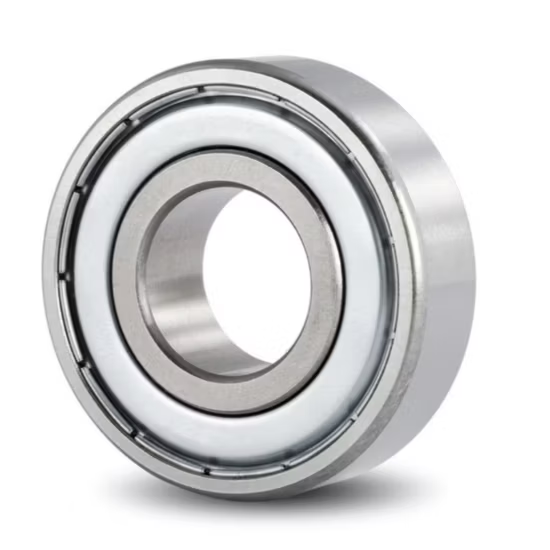
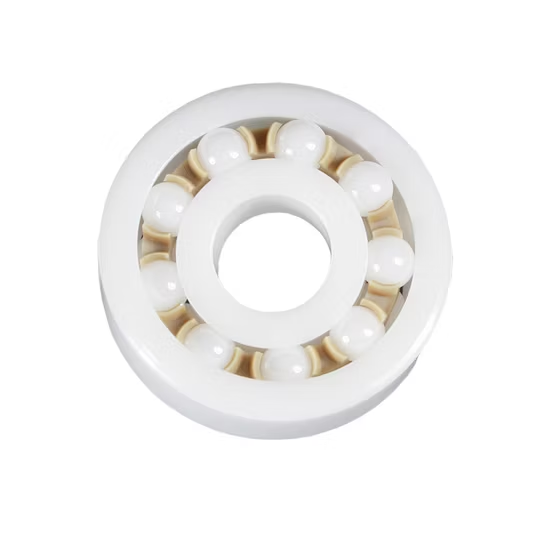
6305 Deep Groove Ball Bearing — constructed from Gcr15 steel to deliver optimal radial load capacity and durability in diverse environments.
Unified Multi-Brand Sourcing — Procure 6305 variants across major international manufacturers in a single consolidated shipment with full batch traceability.
| Parameter | Value |
|---|---|
| Designation | 6305 |
| Bearing Type | Deep Groove Ball Bearing |
| Structure | Deep Groove |
| Seal or Shield Type | Open, 2Z (Double steel shields), 2RS (Double contact seals) |
| Material | GCr15 bearing steel |
| Origin | Shanghai |
Note: The suffix lhax is an unverified designation requiring manufacturer catalog confirmation before procurement.
| Industry | Typical Applications |
|---|---|
| Automotive & Motorcycles | Wheel hub assemblies, steering column supports, transmission shafts |
| Industrial Power Transmission | Electric motor rotors, industrial gearbox input shafts, conveyor pulleys |
| Fluid Handling | Centrifugal pump drive shafts, compressor rotating assemblies |
Matching the base number while ignoring seal suffixes guarantees premature field failure in contaminated environments.
Procurement teams often approve cross-references that align perfectly on the base 6305 deep groove ball bearing designation but overlook critical suffix variations. In dusty motorcycle repair shops, installing a shielded variant instead of a contact-sealed alternative allows fine particulate ingress, rapidly degrading the raceway and causing cage fracture. This exact mismatch between the required sealing level and the supplied component accounts for a significant share of early warranty claims . Furthermore, counterfeit components with soft inner rings frequently enter the supply chain when buyers bypass authorized channels to secure faster lead times on specific seal configurations.
Selecting the correct 6305 deep groove ball bearing requires looking past the base designation to evaluate the exact operating environment. For motorcycle wheel hubs exposed to road spray and dust, a contact seal variant provides the necessary lip friction to block contaminants, whereas a shielded option leaves microscopic gaps. Our technical review process verifies that the requested cross-reference matches not only the dimensional envelope but also the precise seal type and internal clearance required for the specific application.
Motorcycle and electric motor applications subject deep groove bearings to complex radial loads combined with moderate axial thrust and high rotational speeds. At elevated temperatures, thermal expansion alters the internal clearance, making the initial factory clearance class a critical factor in preventing thermal binding. Lubrication retention is equally vital; contact seals retain grease effectively but generate higher friction torque, while non-contact shields minimize friction but offer limited protection against liquid ingress . Selecting the optimal balance between contamination exclusion and rotational efficiency dictates the long-term reliability of the assembly.
The GCr15 bearing steel construction provides the necessary core hardness and fatigue resistance for standard industrial and automotive loads. The open configuration allows for unrestricted heat dissipation and external relubrication, making it suitable for clean, enclosed gearboxes. The 2Z double steel shields offer non-contact protection against large debris with minimal friction penalty, ideal for high-speed electric motor rotors. Conversely, the 2RS double contact seals utilize a rubber lip that physically wipes the inner ring, providing superior defense against moisture and fine dust in motorcycle wheel applications, albeit with a slight increase in starting torque.
Specifying an incorrect seal or clearance class triggers a cascade of mechanical failures that extend far beyond the component itself. A shielded bearing deployed in a wet environment will suffer from lubricant washout, leading to raceway spalling and eventual seizure that can destroy the surrounding housing. Similarly, installing a standard clearance variant where thermal expansion demands a C3 equivalent results in preload accumulation and catastrophic cage failure . These misapplications void equipment warranties and force unplanned downtime that severely disrupts operational schedules.
Sourcing mixed-brand requirements through a single authorized channel eliminates the risk of receiving counterfeit bearings with cloned QR codes and substandard metallurgy. We ensure every 6305 variant is cross-referenced accurately, verifying that the cage material, seal suffix, and precision class align perfectly with the original equipment specifications rather than just matching the base number. Our technical team reviews application parameters to prevent the common error of substituting a shielded unit for a sealed one in high-contamination zones. This rigorous validation ensures that the physical product delivered matches the exact engineering intent of the procurement request.
To ensure the selected variant meets your exact operational demands, provide our engineering team with detailed radial and axial load profiles, operating speeds, and ambient temperature ranges. Supplying the specific OEM equipment number allows us to perform a comprehensive cross-reference check, verifying that the seal type and internal clearance match the original design intent. This technical review prevents field failures caused by suffix mismatches and ensures optimal lifecycle performance for your machinery.
Q: How do operational differences between 2Z shields and 2RS contact seals affect motorcycle applications?
A: The 2Z steel shields provide non-contact protection with low friction, suitable for clean, high-speed environments. The 2RS rubber contact seals physically wipe the inner ring, offering superior exclusion of road dust and moisture for motorcycle wheel hubs, though they generate slightly higher friction torque. Selecting the correct seal prevents premature contamination failures.
Q: Why must clearance and seal suffixes align perfectly during cross-brand interchange?
A: Matching only the base 6305 number while ignoring suffixes can lead to thermal binding if the wrong clearance is installed, or rapid contamination if a shield is used instead of a contact seal in dusty environments. Our cross-reference process verifies these exact suffixes to ensure the replacement matches the original equipment's thermal and sealing requirements.
Q: How to verify bearing authenticity using official QR codes and traceability documents?
A: Genuine components feature batch-specific QR codes that link directly to the manufacturer's official application, revealing production dates and material data. We provide full batch traceability and Certificates of Conformity, allowing procurement teams to independently verify the metallurgical origin and confirm the absence of counterfeit soft inner rings.
Q: What are the recommended mounting practices for sealed deep groove ball bearings?
A: Never wash 2Z or 2RS sealed variants in solvents, as this degrades the factory grease and compromises the seal lips. Use induction heating for the inner ring to achieve the necessary expansion without damaging the rubber seals or altering the GCr15 steel properties, ensuring the bearing seats squarely against the shaft shoulder.
Our 5-step process ensures every order is engineered, validated, and supported for optimal performance.
Technical needs assessment
Custom specifications
Free samples for $50k+
Pre-shipment inspection
On-site & predictive
Our certified engineers respond within 24 hours with detailed technical specifications, pricing, and lead time information.