01
Consultation
Technical needs assessment

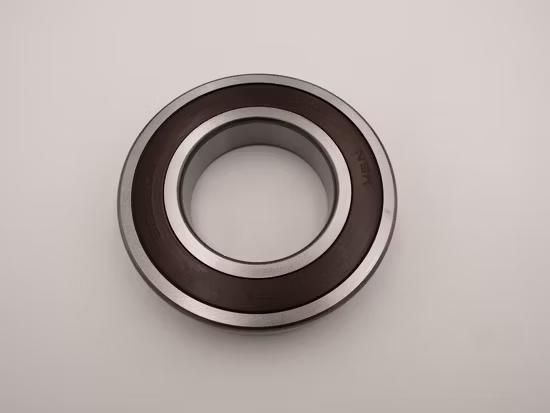
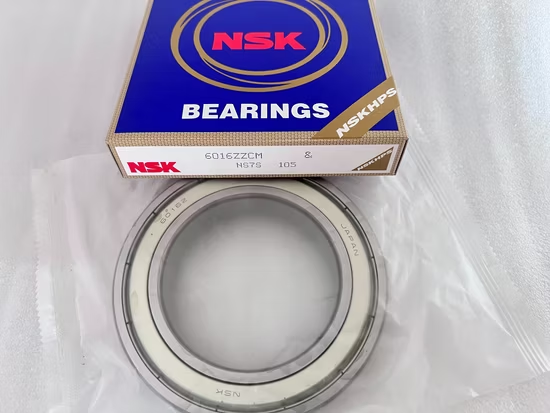


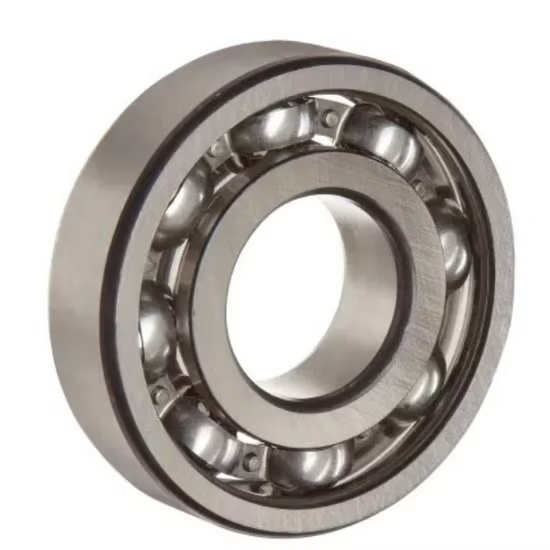
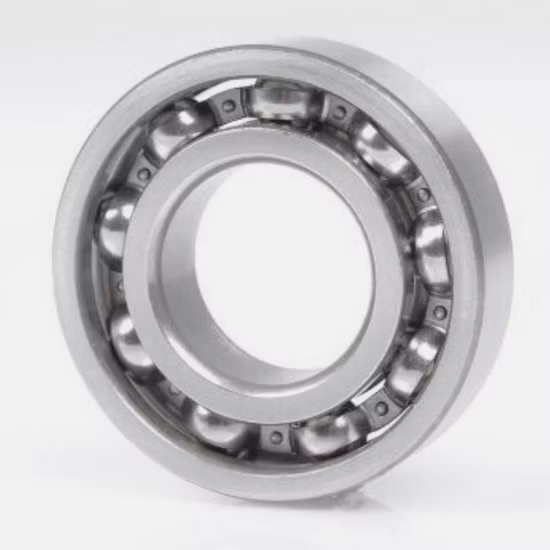
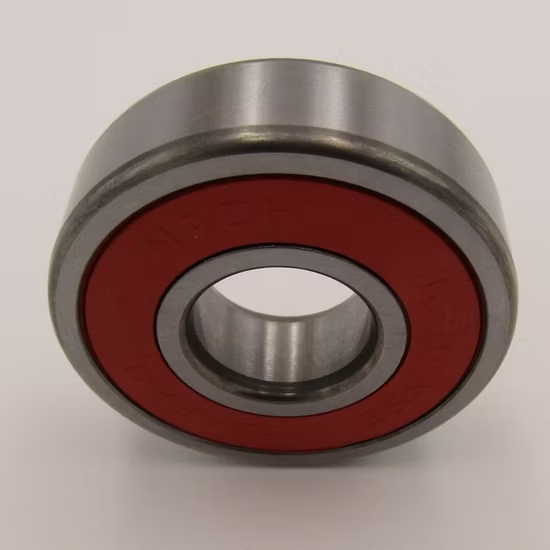
6211 6212 Zz 2RS Deep Groove Ball Bearing for printing press parts and electric motors, built with durable chrome steel.
Verified via official apps — Every 6211 6212 Zz 2RS batch includes scannable QR codes linking directly to the manufacturer's authentication database.
| Parameter | Value |
|---|---|
| Designation | 6211 6212 Zz 2RS |
| Bearing Type | Deep Groove Ball Bearing |
| Material | Chrome Steel |
| Bearing Style | Open, Iron Seals, Rubber Seals |
| Quality Level | Z1V1, Z2V2, Z3V3, Z4V4 |
| Origin | Germany, Japan, Sweden, Malaysia, China |
| HS Code | 848210 |
| Industry | Typical Applications |
|---|---|
| Printing & Packaging | Printing press impression cylinders, paper feed rollers, ink transfer mechanisms |
| Power Transmission | Electric motor rotors, industrial gearbox input shafts |
| Material Handling | Conveyor drive pulleys, pump impeller shafts |
Mismatched seals cause more printing press downtime than actual load fatigue.
In high-speed printing environments, the boundary between a reliable run and a catastrophic stop is often measured in microns of seal clearance. Procurement teams frequently default to iron shields for cost savings, only to discover that fine paper dust bypasses the non-contact labyrinth, contaminating the grease and causing thermal binding . Sourcing the correct 6211 6212 deep groove ball bearing requires strict cross-reference verification to ensure the seal type perfectly matches the contamination level and operating temperature of the specific press section.
Printing press impression cylinders demand rotational smoothness to prevent micro-stuttering in the final print output. The 6211 6212 deep groove ball bearing handles the continuous radial loads inherent in these roller assemblies while maintaining tight dimensional tolerances. We verify the internal geometry and cage stability to ensure the bearing sustains the high-speed requirements of modern web offset and flexographic machinery without generating disruptive harmonic vibrations.
Paper dust and aerosolized ink mist create a highly abrasive environment that rapidly degrades unprotected rolling elements. While iron shields deflect larger debris, microscopic particulates infiltrate the raceway, acting as lapping compounds that accelerate wear. Furthermore, the friction generated by high-speed cylinder rotation elevates internal temperatures, which can degrade standard greases and cause thermal expansion. Selecting the appropriate rubber contact seal prevents particulate ingress, though it introduces slight frictional heat that must be balanced against the machine's cooling capacity .
The distinction between Zz and 2RS fundamentally alters the friction and protection profile of the bearing. The Zz designation indicates double iron shields, offering a non-contact barrier ideal for high-speed electric motor applications where minimizing frictional heat is paramount. Conversely, the 2RS suffix denotes double rubber contact seals, providing superior exclusion of paper dust and ink mist in printing press zones, albeit with a slight speed limitation due to lip friction. Additionally, selecting the correct noise and vibration grade from Z1V1 up to Z4V4 ensures the acoustic signature meets the stringent requirements of precision printing equipment.
Installing a basic designation match while ignoring the seal suffix inevitably leads to unplanned downtime and premature failure. When an open or shielded variant is forced into a heavily contaminated press environment, the resulting abrasive wear voids warranties and damages adjacent cylinder surfaces. The ISO 281 framework highlights how particulate contamination drastically reduces fatigue life, turning a minor procurement oversight into a catastrophic production halt requiring expensive emergency maintenance .
Printing presses fail when procurement matches the base number but overlooks critical suffix variations. We prevent this by aligning clearance classes, cage materials, and seal types to your exact OEM requirements. Our authorized distribution network allows mixed-brand orders, ensuring you receive the exact 6211 6212 Zz 2RS configuration without juggling multiple vendors. Every shipment includes verifiable batch traceability, eliminating the risk of counterfeit components with soft inner rings that cause sudden seizure under load.
To ensure optimal performance, please provide the specific radial and axial loads, operating speeds, and ambient temperatures of your printing press sections. Supplying the OEM equipment number allows our technical team to perform a comprehensive cross-reference check, verifying that the selected seal and clearance configuration aligns perfectly with the original design parameters.
Q: How do I verify the authenticity of the 6211 6212 Zz 2RS bearings?
A: Every bearing we supply features a unique QR code that can be scanned using the manufacturer's official mobile application. This process instantly verifies the batch number, production date, and origin, ensuring you receive genuine components and eliminating the risk of installing counterfeit parts with substandard metallurgy.
Q: What cross-reference checks are critical when replacing printing press bearings?
A: Beyond matching the base number, it is essential to verify the internal clearance class, cage material, and seal type. Installing a standard clearance bearing in a high-temperature press zone can cause thermal binding, while ignoring the seal suffix can lead to rapid dust contamination and premature failure.
Q: How do I choose between Zz iron shields and 2RS rubber seals?
A: Select Zz iron shields for high-speed electric motors where minimizing friction and heat generation is the priority. Choose 2RS rubber contact seals for printing press applications exposed to heavy paper dust or ink mist, as the physical lip contact provides superior contamination exclusion despite slightly higher friction.
Q: What do the Z1V1 to Z4V4 quality levels mean for my equipment?
A: These designations classify the bearing's noise and vibration characteristics. Higher grades like Z3V3 or Z4V4 indicate exceptionally smooth operation with minimal acoustic emissions, which is critical for precision printing press cylinders where micro-vibrations can cause visible defects in the final printed output.
Our 5-step process ensures every order is engineered, validated, and supported for optimal performance.
Technical needs assessment
Custom specifications
Free samples for $50k+
Pre-shipment inspection
On-site & predictive
Our certified engineers respond within 24 hours with detailed technical specifications, pricing, and lead time information.