01
Consultation
Technical needs assessment

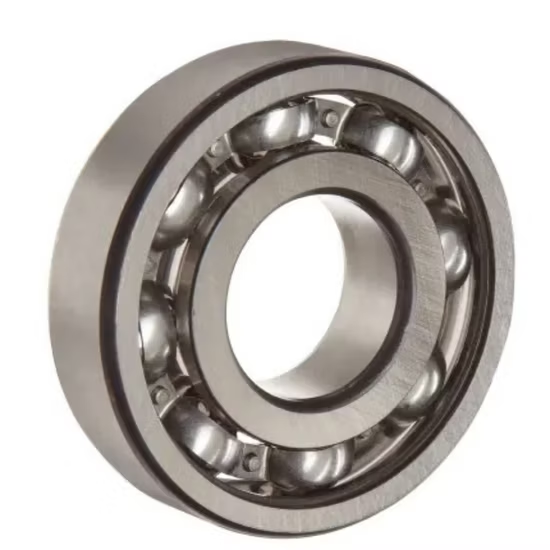
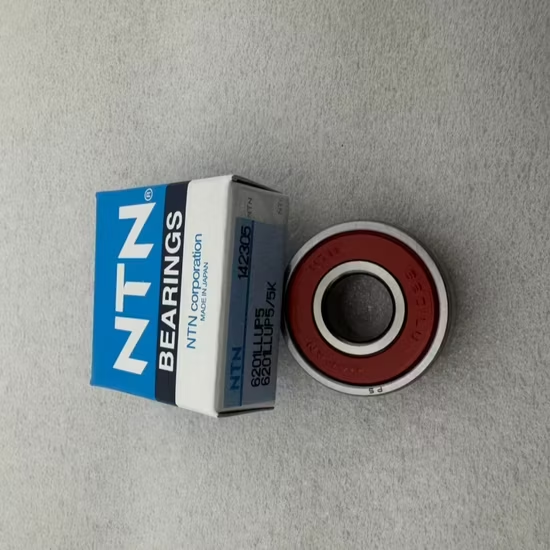

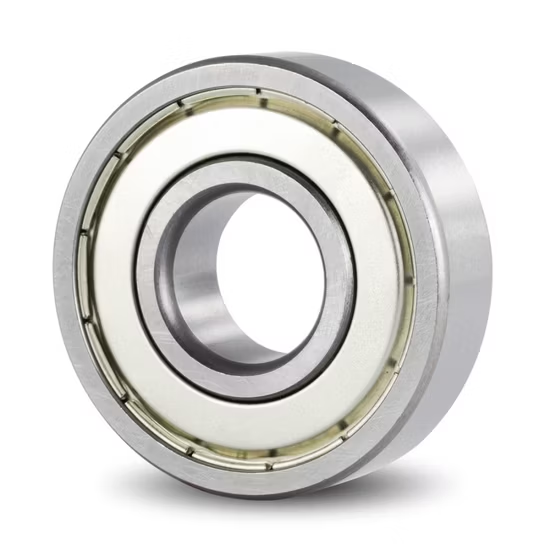


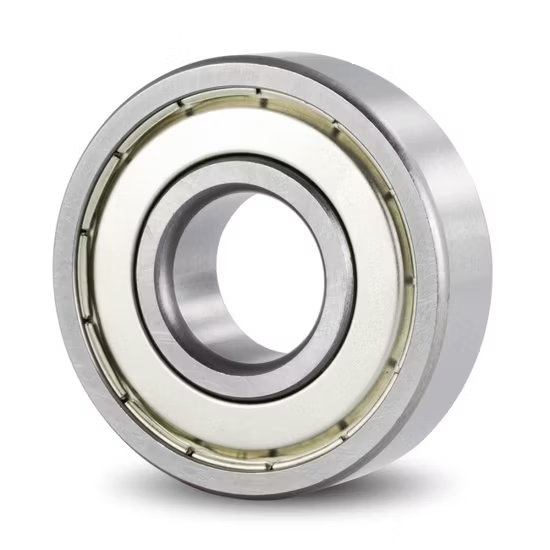
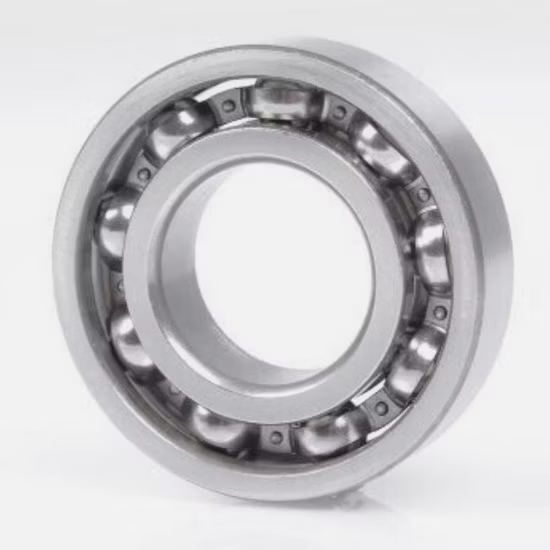
NTN 60/28 Deep Groove Ball Bearing 28×52×12 mm provides reliable radial load capacity for compact electric motors and industrial gearboxes.
Multi-Brand Authorized Coverage — Consolidate your NTN 60/28 deep groove ball bearing orders alongside other major brand requirements through a single verified supply chain.
| Parameter | Value |
|---|---|
| Designation | NTN 60/28 |
| Bearing Type | Deep Groove Ball Bearing |
| Bore Diameter (d) | 28 mm |
| Outside Diameter (D) | 52 mm |
| Width (B) | 12 mm |
| Seal or Shield Type | Open, Rubber Seals, Iron Seals |
| Quality Level | Z1V1, Z2V2, Z3V3, Z4V4 |
| HS Code | 848210 |
| Industry | Typical Applications |
|---|---|
| Electric Motors | Compact motor rotor shafts, low-noise cooling fan drives |
| Industrial Gearboxes | Low-speed input stages, auxiliary drive shafts |
| General MRO | Conveyor drive rollers, material handling pulley bearings |
| Pumps & Appliances | Centrifugal pump impeller shafts, washing machine drum supports |
Matching the 60/28 dimension profile is only the first step; ignoring internal clearance and quality grade suffixes triggers thermal binding or excessive vibration in compact electric motors.
Procurement teams frequently source replacements by matching the base designation alone, overlooking critical internal design variations. When a standard clearance bearing is installed in an application requiring thermal expansion compensation, the internal gap closes as the motor heats up, leading to rapid thermal binding. Similarly, substituting a standard noise grade where a precision grade is specified causes unacceptable vibration levels that halt production lines .
In compact motors and gearboxes, restricted housing dimensions demand exact 28x52x12mm dimensional accuracy to prevent misalignment. The NTN 60/28 deep groove ball bearing configurations we supply cover diverse operational needs, from general material handling to precision low-noise drives, ensuring reliable rotation within tight installation spaces.
Electric motors generate significant internal heat during continuous operation, which directly impacts the operational clearance of the bearing. Selecting the appropriate thermal expansion clearance prevents the rolling elements from skidding when the inner ring expands. Furthermore, industrial environments introduce abrasive dust and moisture, necessitating a careful balance between contact seal friction and non-contact shield protection to maintain lubrication integrity over the service interval .
The choice between rubber seals and iron shields dictates the maintenance cycle and operational temperature limit of the assembly. Rubber seals provide superior exclusion of fine particulates but introduce higher rotational friction, making them suitable for moderate-speed applications where contamination is severe. Conversely, iron shields offer minimal friction for high-speed motor shafts while retaining grease. The Z1V1 through Z4V4 quality levels define the strictness of geometric tolerances and surface finish, directly controlling the acoustic signature and vibration amplitude required for sensitive equipment.
Deploying a dimensionally correct bearing with the wrong internal geometry leads to catastrophic damage rather than gradual wear. Under ISO 281 life calculation frameworks, inadequate clearance reduces the dynamic load rating significantly, resulting in unplanned downtime and premature failure of the entire drive assembly. Warranty voidance frequently follows when root cause analysis reveals that the installed component lacked the specified OEM suffixes, shifting the financial burden entirely onto the maintenance department .
We maintain authorized distribution channels across all major international brands, allowing mixed-brand procurement without compromising traceability. Our technical team reviews every cross-reference request to ensure that clearance, cage material, and precision suffixes align perfectly, preventing the common error of matching only the base 60/28 number. Every batch is backed by manufacturer traceability, verified through official QR applications to eliminate the risk of counterfeit inner rings. We also provide application-based selection reviews, evaluating your specific load, speed, and temperature parameters to confirm the optimal configuration before shipment.
To ensure the selected configuration meets your operational demands, please provide the specific radial and axial loads, operating speeds, and ambient temperature ranges. Sharing the original OEM equipment number allows our engineering team to perform a precise cross-reference check, verifying that all internal design suffixes match the factory specification. This technical review guarantees that the proposed solution aligns with your L10 life requirements and prevents costly field failures.
Q: How do I verify the authenticity of the received batch using the official app?
A: Locate the QR code printed on the individual box or outer packaging of the bearing. Open the official manufacturer application on your mobile device and use the built-in scanner to read the code. The app will instantly cross-reference the encrypted batch data with the central database, confirming the production date, origin, and genuine status of the unit.
Q: What is the selection boundary between rubber seals and iron shields for motor applications?
A: Rubber seals provide excellent protection against fine dust and moisture but generate higher friction, making them ideal for moderate-speed or heavily contaminated environments. Iron shields maintain a small air gap that minimizes friction and heat generation, which is critical for high-speed electric motor shafts where the primary concern is grease retention rather than severe external contamination.
Q: How do Z1V1 and Z4V4 quality levels impact motor noise and vibration control?
A: The Z and V classifications define the strictness of geometric tolerances and surface finish on the raceways. A Z4V4 grade undergoes rigorous inspection for minimal dimensional deviation and surface roughness, resulting in exceptionally smooth rotation. This is mandatory for precision spindle or high-end appliance motors where acoustic noise and micro-vibrations must be strictly minimized.
Q: Which internal parameters must align when cross-referencing this model to other brands?
A: When substituting equivalents from other manufacturers, you must verify that the internal clearance class, cage material, and precision grade match exactly. Simply matching the basic 28x52x12mm dimensions is insufficient; a mismatch in thermal expansion clearance or noise grade will lead to immediate thermal binding or unacceptable vibration levels in the field.
Q: How should lubrication and sealing be adjusted for high-temperature or high-dust conditions?
A: In high-temperature environments, standard greases will degrade, requiring high-temperature synthetic lubricants and potentially non-contact iron shields to reduce friction heat. For high-dust conditions, contact rubber seals are necessary to block particulate ingress, though this increases friction; therefore, the operational speed must be evaluated to ensure the seal lip does not overheat and fail prematurely.
Our 5-step process ensures every order is engineered, validated, and supported for optimal performance.
Technical needs assessment
Custom specifications
Free samples for $50k+
Pre-shipment inspection
On-site & predictive
Our certified engineers respond within 24 hours with detailed technical specifications, pricing, and lead time information.