01
Consultation
Technical needs assessment


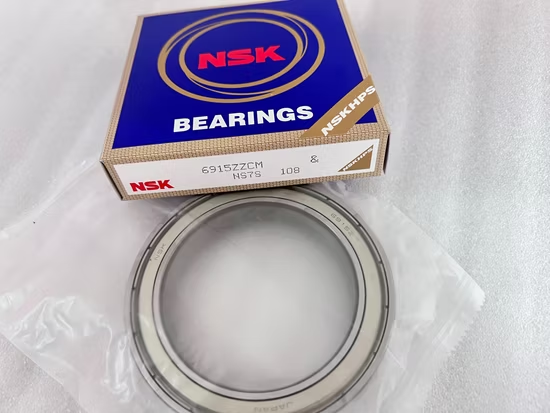
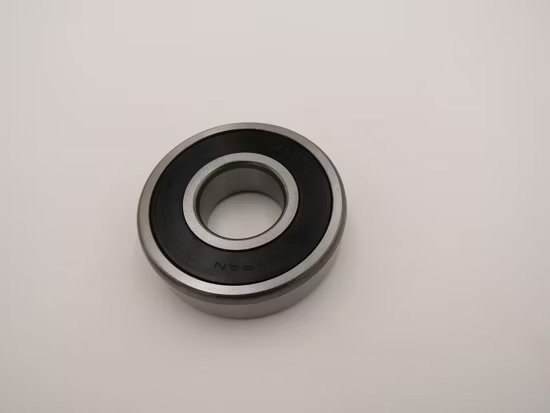
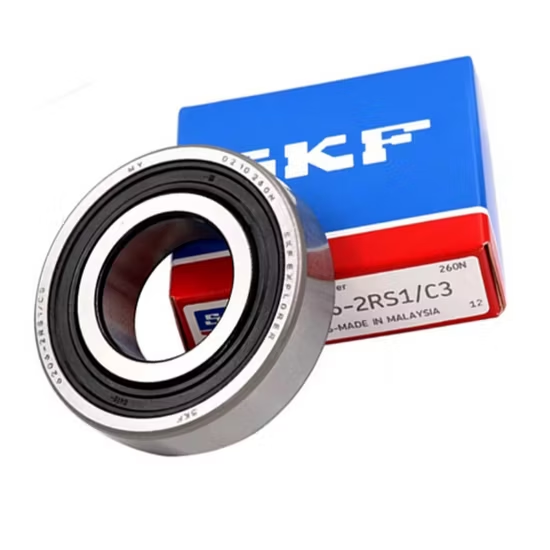
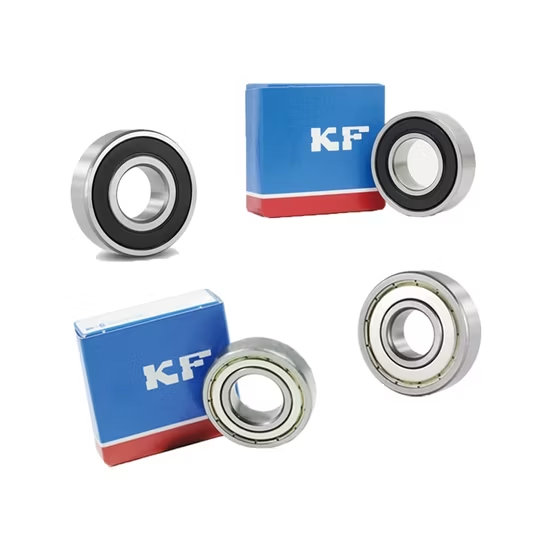

608 Deep Groove Ball Bearing P4/P5/P6 — chrome steel construction for printing press parts.
Cross-Reference Alignment Verified — We match the 608 base designation alongside exact precision and seal suffixes to prevent thermal binding in printing presses.
| Parameter | Value |
|---|---|
| Designation | 608 |
| Bearing Type | Deep Groove Ball Bearing |
| Material | Chrome Steel |
| Precision Class | P4, P5, P6 |
| Seal or Shield Type | Open, ZZ, RS |
| Noise and Vibration Level | Z1V1, Z2V2, Z3V3, Z4V4 |
| Standards | ISO 492 |
| Industry | Typical Applications |
|---|---|
| Printing & Packaging | Printing press spindles, impression cylinders, paper feed rollers |
| Electric Motors | High-speed motor shafts, cooling fan assemblies |
| Industrial Gearboxes | High-speed input shafts, precision reduction gears |
A matching base number means nothing if the precision class fails to handle the spindle runout.
I once watched an entire printing line halt because a maintenance crew installed a P6 grade where the OEM specified P4. The slight runout difference caused the spindle to overheat and seize at high speeds. Sourcing a genuine 608 deep groove ball bearing requires looking past the basic designation to verify the exact tolerance grade and seal configuration, avoiding the costly trap of cloned QR codes and soft inner rings that plague the aftermarket .
Printing press spindles demand exceptional rotational accuracy to prevent paper tearing and ink smearing. When evaluating a 608 deep groove ball bearing for these stations, the P4 precision class provides the tight dimensional tolerances necessary to minimize runout at elevated rotational speeds. Our technical review process ensures the selected precision grade aligns perfectly with the specific runout limits of your impression cylinders, rather than defaulting to standard commercial grades.
High-speed printing environments generate significant friction heat while exposing components to paper dust and ink mist. Selecting the correct seal type is critical; ZZ iron shields offer low-friction protection suitable for high RPMs, while RS rubber contact seals provide superior exclusion of fine particulate contaminants. The chosen noise and vibration grading, ranging from Z1V1 to Z4V4, must also be calibrated to suppress resonance that could otherwise transfer through the machine frame and degrade print quality .
The core specifications of this bearing revolve around its precision and sealing configurations. P4, P5, and P6 classes dictate the permissible deviations in bore, outside diameter, and running accuracy, directly influencing high-speed thermal stability. The ZZ double shields retain factory grease while blocking coarse dust without adding friction, whereas the RS single contact seal wipes the inner ring to stop liquid and fine dust ingress. Selecting between Z1V1 and Z4V4 noise grades determines the strictness of the manufacturing geometrical tolerances, ensuring ultra-smooth operation in sensitive equipment.
Installing a standard clearance bearing in a high-speed spindle leads to rapid thermal expansion, eliminating internal clearance and causing catastrophic seizure. Similarly, using an open bearing in a dusty press environment allows abrasive particles to pit the raceways, leading to premature fatigue failure. These misapplications result in unplanned downtime, voided equipment warranties, and secondary damage to adjacent precision components .
We supply authorized multi-brand inventory, meaning your mixed-brand orders ship with consistent documentation and verified authenticity. Every batch features full traceability to the manufacturer, allowing you to scan QR codes through official brand apps to reject soft inner ring counterfeits. Our cross-reference checks extend beyond the base number to validate that the cage material, clearance, and precision suffixes match your exact OEM requirements. We also provide application-based selection reviews to confirm the load and speed parameters suit your specific printing press configuration.
To ensure accurate selection, share your radial and axial load parameters, operating speeds, and ambient temperature ranges for L10 life verification. Providing the specific OEM equipment number allows our engineering team to perform a precise cross-reference check against the original suffix requirements. Detail your contamination environment so we can recommend the optimal seal configuration and noise grading for your application.
Q: How do I verify the authenticity of 608 bearings using official brand apps?
A: Scan the QR code or enter the batch number printed on the packaging into the manufacturer's official mobile application. This confirms the production origin and exposes cloned codes often used on counterfeits with soft inner rings, ensuring you receive genuine chrome steel components.
Q: What are the critical cross-reference checks for precision suffixes?
A: Beyond matching the base number, you must verify the exact P4, P5, or P6 tolerance class, as well as the seal type and internal clearance. Overlooking these suffixes causes thermal binding or excessive runout, which is fatal for high-speed printing press spindles.
Q: How do ISO precision classes compare to ABEC standards for this application?
A: ISO P4 corresponds roughly to ABEC 7, P5 to ABEC 5, and P6 to ABEC 3. For printing press parts requiring minimal runout and high rotational accuracy, specifying the correct ISO class ensures the dimensional tolerances meet the strict demands of the spindle design.
Q: Which seal type is optimal for printing press operating conditions?
A: ZZ iron shields are ideal for high-speed, low-friction environments with coarse dust, while RS rubber contact seals are better for excluding fine paper dust and ink mist. The choice depends on balancing the need for contamination exclusion against the friction heat generated at high RPMs.
Our 5-step process ensures every order is engineered, validated, and supported for optimal performance.
Technical needs assessment
Custom specifications
Free samples for $50k+
Pre-shipment inspection
On-site & predictive
Our certified engineers respond within 24 hours with detailed technical specifications, pricing, and lead time information.