01
Consultation
Technical needs assessment



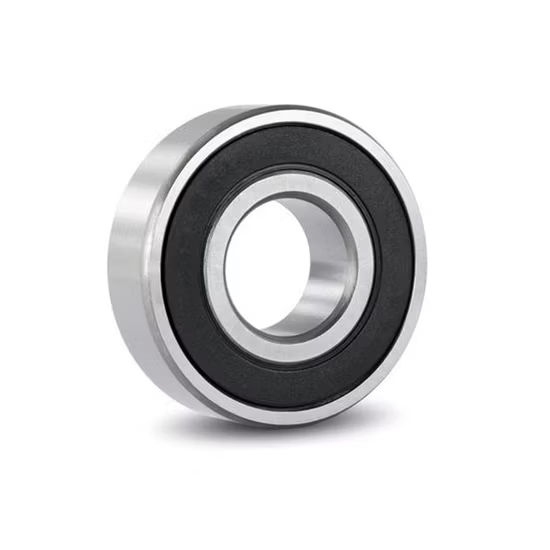
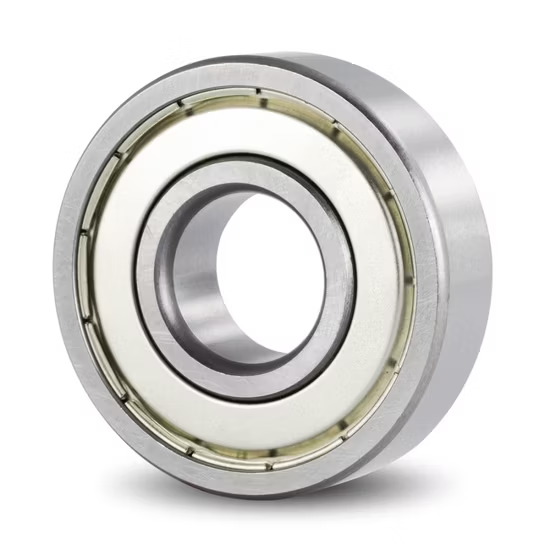


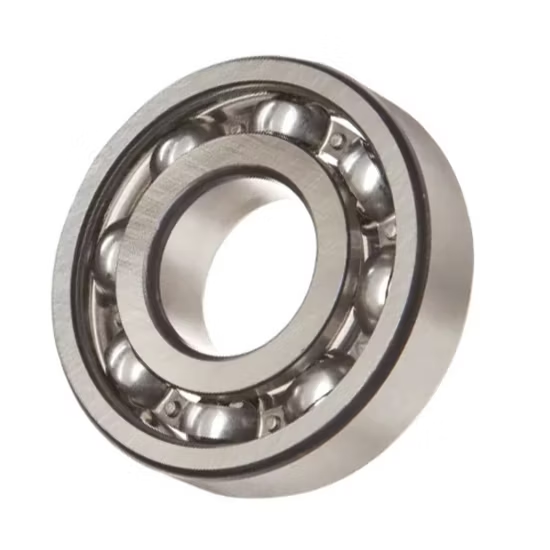
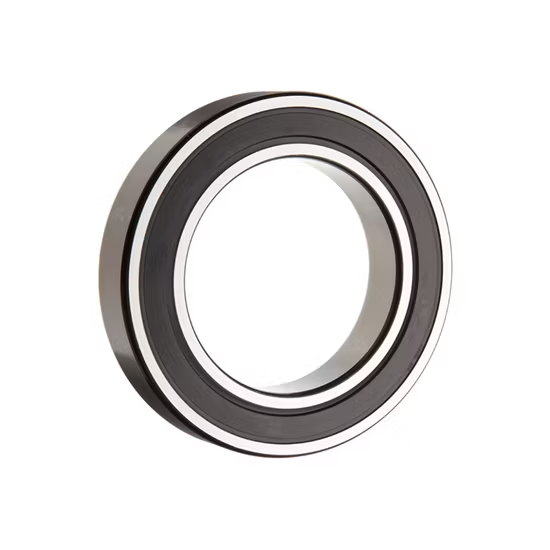
6015 6016 6017 6018 Zz RS P4p5p6 Deep Groove Ball Bearings — engineered for printing press parts with P4, P5, and P6 precision classes to minimize spindle runout.
Original Batch Traceability — Every 6015 6016 6017 6018 Zz RS P4p5p6 unit ships with verifiable manufacturer lot documentation to prevent counterfeit installation in critical printing presses.
| Parameter | Value |
|---|---|
| Designation | 6015 6016 6017 6018 Zz RS P4p5p6 |
| Bearing Type | Deep Groove Ball Bearing |
| Seal or Shield Type | Open, Rubber Seals (RS), Iron Seals (Zz) |
| Noise and Vibration Level | Z1V1, Z2V2, Z3V3, Z4V4 |
| Material | Chrome Steel |
| Precision Class | P4, P5, P6 |
| Origin | Germany, Japan, Sweden, Malaysia, China |
| HS Code | 848210 |
| Industry | Typical Applications |
|---|---|
| Printing Machinery | Printing press cylinders, impression rollers, ink transfer mechanisms |
| Industrial Automation | Electric motor shafts, precision conveyor drives |
| General Machinery | Pump rotors, gearbox input shafts, household appliance spindles |
Matching the base designation without verifying precision suffixes and seal types inevitably leads to thermal binding or severe vibration at high speeds.
Sourcing a 6015 6016 6017 6018 deep groove ball bearing for printing press applications requires more than just confirming the bore and outer diameter. I once investigated a batch of impression rollers that suffered catastrophic vibration because P4 precision components were mistakenly swapped with standard P0 equivalents during maintenance. The visual difference was negligible, but the operational impact was immediate. Cross-reference errors that overlook internal clearance, cage material, and precision suffixes cause a significant share of unplanned downtime in high-speed machinery .
A standard 6015 6016 6017 6018 deep groove ball bearing for printing press equipment must maintain strict dimensional tolerances to prevent ink banding on the final print. By offering P4, P5, and P6 precision classes, we ensure the exact runout limits required by sensitive impression cylinders are met. Our technical review process verifies that the selected precision grade aligns perfectly with the specific rotational speed and load profile of the target printing machinery.
Printing environments demand continuous high-speed rotation while managing heat generated by friction and ambient pressroom temperatures. Selecting the correct internal clearance is vital; a standard clearance might cause thermal binding as the inner ring expands, while excessive clearance induces vibration . Lubrication and sealing choices must balance contamination protection against friction heat. Iron shields (Zz) provide non-contact protection suitable for high speeds, whereas rubber seals (RS) offer superior defense against ink mist and paper dust at the cost of slightly higher operating temperatures.
The suffix string Zz RS P4p5p6 dictates the actual field performance of these components. The Zz configuration indicates double iron shields, offering low-friction protection ideal for high-RPM electric motors driving press conveyors. Conversely, the RS option provides a single rubber seal for environments with heavier airborne particulates. The P4, P5, and P6 designations define the dimensional and running accuracy, with P4 delivering the tightest tolerances necessary for precision spindles. Furthermore, the Z1V1 through Z4V4 noise and vibration classifications ensure that high-grade units operate smoothly without transmitting disruptive harmonics to the printing substrate.
Installing a bearing with incorrect precision or seal specifications leads to premature failure and catastrophic damage to adjacent press components. When a P6 grade is mistakenly used in a P4 application, the resulting shaft runout degrades print quality and accelerates wear on the cylinder bearings. Such misalignments void equipment warranties and trigger extensive unplanned downtime. Adhering to ISO 281 standards for life calculation requires exact specification matching, as even minor deviations in internal geometry drastically reduce the operational lifespan .
We eliminate the risk of receiving counterfeit units with soft inner rings by providing authorized multi-brand coverage with full batch traceability. Our cross-referencing expertise ensures that when you order a 6015 6016 6017 6018 deep groove ball bearing for printing press use, the clearance, seal type, and precision suffixes match your exact OEM requirements. We prevent the common error of supplying open bearings when Zz shields were specified for contamination protection. Every shipment includes verifiable documentation, and our technical team reviews application parameters to confirm suitability before dispatch.
To ensure optimal performance, please provide your specific radial and axial loads, operating speeds, and ambient temperature ranges for L10 life verification. Sharing the exact OEM equipment number allows our engineering team to perform a comprehensive cross-reference check, confirming that the internal clearance and seal configuration match the original design intent.
Q: How do I verify the authenticity of the P4 precision bearings received?
A: You can verify authenticity by scanning the QR codes on the packaging using the manufacturer's official mobile application. Additionally, we provide complete batch and lot traceability documentation, allowing you to cross-check the production records directly with the original factory to ensure the components are genuine.
Q: Why is it critical to match the exact precision suffix during cross-referencing?
A: Matching only the base number ignores vital operational parameters. Installing a P6 grade where a P4 is required introduces excessive shaft runout, causing severe vibration and poor print quality. Exact suffix alignment ensures the dimensional tolerances and running accuracy match the high-speed demands of the printing press.
Q: What are the operational differences between P4, P5, and P6 precision classes?
A: P4 offers the tightest dimensional and running accuracy, essential for high-speed impression cylinders requiring minimal runout. P5 provides a balanced tolerance for general precision shafts, while P6 is suitable for standard industrial drives where extreme rotational accuracy is less critical but reliable performance is still required.
Q: How do I choose between RS rubber seals and Zz iron shields?
A: Choose Zz iron shields for high-speed applications where low friction and heat generation are priorities, as they provide non-contact protection. Select RS rubber seals when the environment contains heavy ink mist or paper dust, as the contact seal offers superior contamination exclusion despite a slight increase in rotational friction.
Our 5-step process ensures every order is engineered, validated, and supported for optimal performance.
Technical needs assessment
Custom specifications
Free samples for $50k+
Pre-shipment inspection
On-site & predictive
Our certified engineers respond within 24 hours with detailed technical specifications, pricing, and lead time information.