01
Consultation
Technical needs assessment


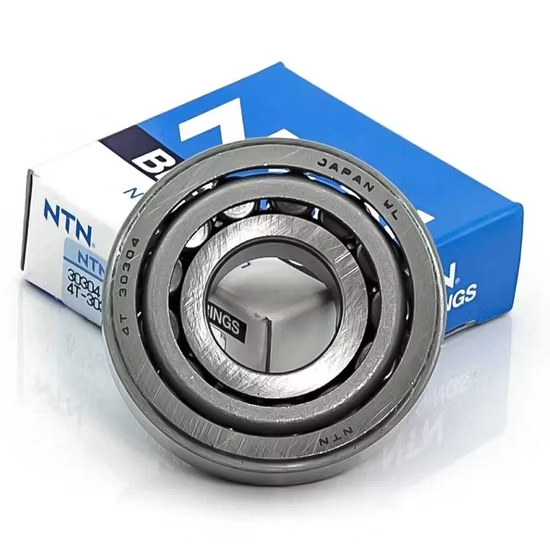
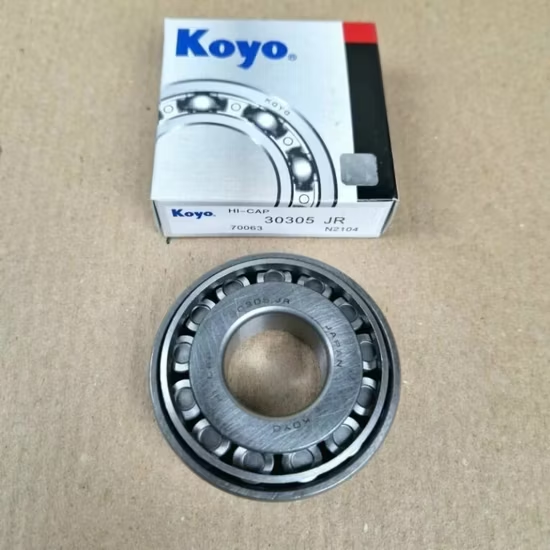
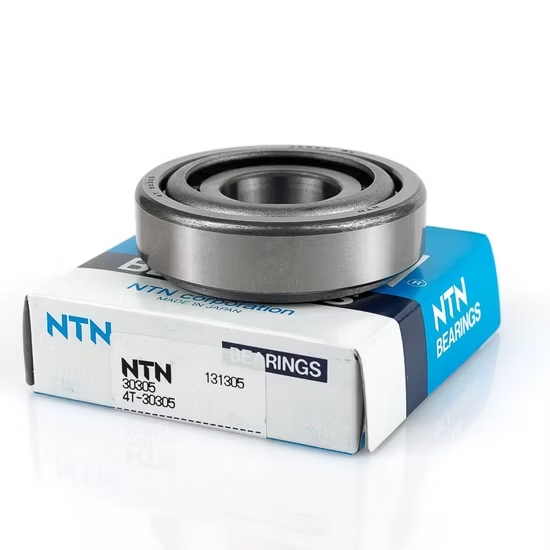


30312 Single Row Tapered Roller Bearing — P4 precision class in GCr15 bearing steel, engineered for combined radial and axial loads in automotive wheel hubs, truck axles, and industrial gearboxes.
Verified Batch Traceability — Every 30312 unit ships with manufacturer lot documentation verifiable through official brand applications.
| Parameter | Value |
|---|---|
| Designation | 30312 |
| Bearing Type | Tapered Roller Bearing |
| Number of Rows | Single Row |
| Precision Class | P4 |
| Material | GCr15 |
| Cage Material | Available in nylon, brass, or iron variants |
| Origin | Germany / Japan / Sweden / Malaysia / China |
| Industry | Typical Applications |
|---|---|
| Automotive & Heavy Vehicles | Wheel hubs and steering knuckles for heavy-duty trucks |
| Industrial Power Transmission | Pinion shafts and output stages in industrial gearboxes |
| General Manufacturing | Drive shafts and spindle supports in building material machinery |
Matching the base designation without verifying internal geometry and clearance leads to thermal binding under heavy axle loads.
Sourcing teams often approve replacements based solely on the stamped base number, overlooking critical internal design variations. When a standard clearance component is installed in a heavy truck wheel hub requiring thermal expansion allowances, the resulting preload spike causes rapid cage failure. This exact oversight caused premature spalling in a Brazilian fleet's heavy axles, proving that ignoring suffix and internal design alignment turns a simple replacement into a catastrophic downtime event .
Heavy vehicle axles demand components that handle combined radial and thrust loads without deflection. The 30312 single row tapered roller bearing addresses this by utilizing optimized roller profiles to distribute stress evenly across the raceway. Our technical review process ensures the selected unit matches the specific load spectrum of your truck axles or industrial gearboxes, preventing the localized edge loading that destroys improperly matched parts.
Truck wheel hubs operate under severe shock loads and significant temperature fluctuations during prolonged transit. These thermal cycles dictate strict clearance requirements to prevent the bearing from seizing as the axle expands. Furthermore, heavy-duty environments demand robust cage materials that withstand high vibration levels while maintaining adequate lubrication film thickness. Neglecting the interaction between operating temperature and internal clearance inevitably compromises the fatigue life of the assembly .
The P4 precision class provides noticeably tighter dimensional and running accuracy tolerances compared to standard grades, which is essential for minimizing vibration in high-speed pinion shafts. The GCr15 high-carbon chromium bearing steel offers the necessary core toughness and surface hardness to resist brinelling under heavy static loads. Depending on the specific rotational speed and vibration profile of your gearbox, the cage material can be specified from nylon, brass, or iron variants to optimize friction and structural rigidity.
Installing a component with mismatched internal contact angles or incorrect clearance generates excessive friction heat, leading to unplanned downtime and severe axle damage. When the internal geometry fails to accommodate thermal expansion, the resulting preload accelerates lubricant degradation and raceway spalling. Such premature failures not only void equipment warranties but also trigger costly secondary damage to surrounding seals and housings, far exceeding the initial procurement savings .
We eliminate the risk of soft inner rings and cloned verification codes by sourcing strictly through authorized multi-brand channels. Our cross-reference protocol goes beyond the base number, actively verifying clearance, cage material, and internal contact angle against your specific OEM equipment requirements. Because we handle mixed-brand requirements in a single order, you receive consistent documentation and technical support across all your drivetrain components without juggling multiple suppliers.
To ensure precise application matching, please share your radial and axial load profiles, operating speeds, and typical temperature ranges. Providing the specific OEM equipment number allows our engineering team to execute a comprehensive cross-reference check, verifying that the internal geometry and clearance perfectly align with your drivetrain requirements. This technical review guarantees the selected component delivers optimal fatigue life in your specific operating environment.
Q: Why is base number matching insufficient for heavy truck axles?
A: Base numbers often ignore critical internal variations like clearance and cage design. Installing a standard clearance unit in an application requiring thermal expansion allowances causes thermal binding and premature spalling. We verify the complete internal geometry to ensure the component survives actual axle operating temperatures.
Q: How do you verify the authenticity of the supplied components?
A: We provide comprehensive manufacturer lot traceability and a Certificate of Conformity for every shipment. Buyers can scan the packaging using official brand applications to perform secondary QR verification, instantly exposing cloned codes and ensuring the GCr15 material meets genuine factory specifications.
Q: What is the practical difference between P4 and standard precision in gearboxes?
A: P4 precision offers noticeably tighter dimensional and running accuracy tolerances than standard grades. In industrial gearboxes and high-speed pinion shafts, this reduces operational vibration, minimizes noise, and ensures even load distribution across the rollers, significantly extending the fatigue life of the drivetrain assembly.
Q: How do I choose between nylon, brass, and iron cages?
A: Cage selection depends on your specific speed, load, and vibration profile. Brass cages handle high vibration and heavy loads well, while nylon variants offer lower friction for higher speeds. Share your exact operating parameters, and our technical team will recommend the optimal cage material for your application.
Q: What information do you need to confirm the correct replacement?
A: Please provide the OEM equipment number, operating temperatures, and combined load profiles. This data allows us to perform a strict cross-reference check, ensuring the replacement matches the required internal contact angle and clearance class, preventing the thermal binding that causes premature field failures.
Our 5-step process ensures every order is engineered, validated, and supported for optimal performance.
Technical needs assessment
Custom specifications
Free samples for $50k+
Pre-shipment inspection
On-site & predictive
Our certified engineers respond within 24 hours with detailed technical specifications, pricing, and lead time information.
