01
Consultation
Technical needs assessment


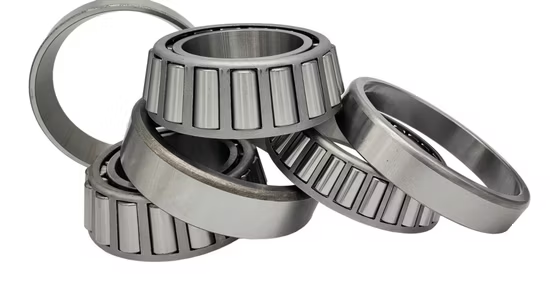
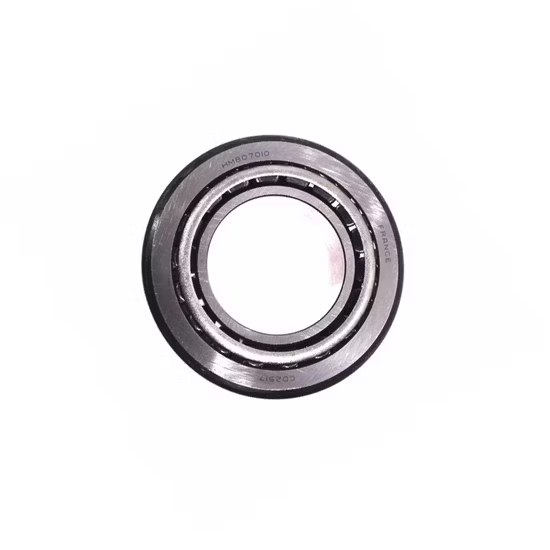
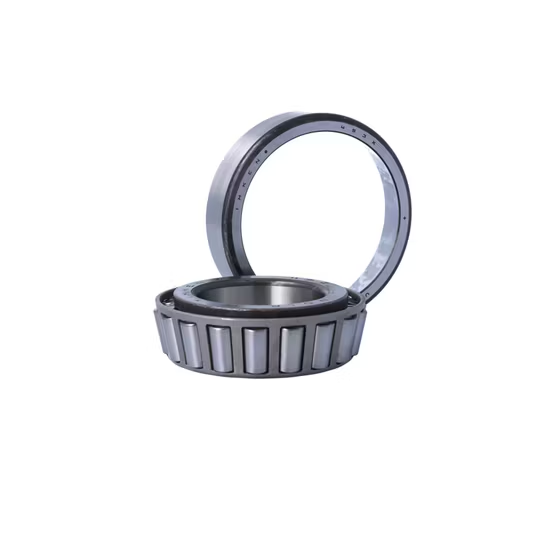
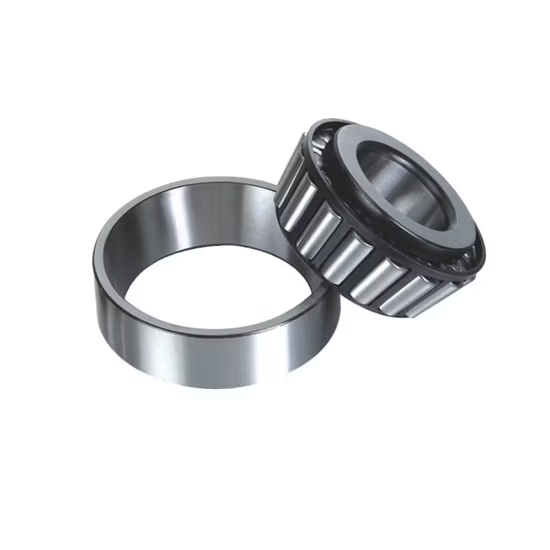
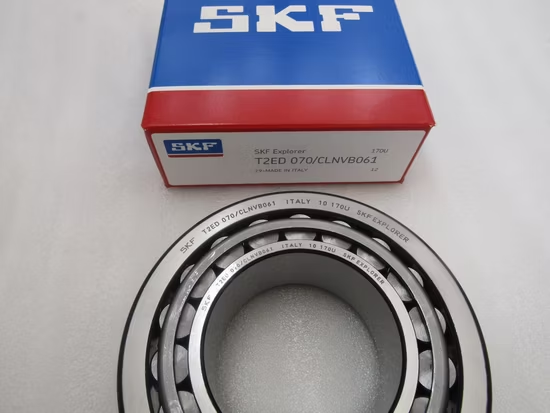
32938 32939 32940 Tapered Roller Bearings P4 — Single-row metric design in GCr15 bearing steel.
Traceable Batch Origins — Every 32938, 32939, and 32940 unit ships with manufacturer lot documentation to verify authentic GCr15 steel and P4 tolerances.
| Parameter | Value |
|---|---|
| Designation | 32938 32939 32940 |
| Bearing Type | Tapered Roller Bearing |
| Number of Rows | Single Row |
| Precision Class | P4 |
| Cage Material Options | Nylon / Brass / Iron |
| Material | GCr15 Bearing Steel |
| Origin Options | Germany / Japan / Sweden / Malaysia / China |
| Industry | Typical Applications |
|---|---|
| Heavy Vehicle Repair | Truck axles and automotive wheel hubs subject to heavy combined loads |
| Industrial Gearboxes | Reduction gear shafts requiring tight running accuracy |
| General Manufacturing | Heavy machinery drive shafts and material handling equipment |
| Marine Engineering | Marine drive propulsion shafts exposed to continuous operation |
Matching the basic designation is only the first step; ignoring internal geometry and precision class guarantees field failure.
Sourcing these large metric tapered roller bearings often leads to a dangerous trap where procurement teams focus solely on the base number. I have seen truck axle assemblies fail catastrophically on steep descents simply because the internal clearance was not matched to the thermal expansion of the shaft. When a standard P0 grade is installed where P4 precision is required, the microscopic running inaccuracies generate excess friction heat under heavy combined loads. This thermal binding seizes the inner ring, turning a routine replacement into an unplanned downtime event .
Heavy vehicle axles and industrial gearboxes demand components that can handle simultaneous radial and axial forces without compromising rotational accuracy. The 32938 32939 32940 tapered roller bearing series provides the necessary contact geometry to distribute these combined loads effectively across the roller paths. By verifying the exact internal design and selecting the appropriate cage material for the specific operating temperature, we ensure the bearing performs reliably in demanding machinery.
Shafts in truck axles and marine drives experience significant thermal growth during continuous heavy-load operation. If the internal clearance is too tight, the heat generated by friction and ambient environment causes the inner ring to expand and bind against the rollers. Proper lubrication is equally critical; inadequate grease distribution in large single-row arrangements leads to localized starvation and premature roller spalling. Installation practices also dictate lifespan, as improper setting of the axial play during mounting can instantly negate the benefits of high-precision manufacturing .
The P4 precision class ensures significantly tighter dimensional and running accuracy compared to standard grades, which is essential for minimizing vibration in high-speed gearboxes. GCr15 bearing steel provides the core hardness and fatigue resistance needed to withstand the Hertzian contact stresses at the roller ends. Depending on the specific application, buyers can select from nylon, brass, or iron cage options. Brass cages offer superior durability in high-vibration environments, while nylon cages reduce weight and friction for moderate temperature applications. Iron cages provide a cost-effective solution for heavy-load, low-speed conditions where impact resistance is paramount.
Purchasing a bearing that matches the outer dimensions but lacks the correct internal geometry leads to rapid degradation. Misaligned load distribution causes edge loading on the rollers, resulting in premature flaking and catastrophic damage to the shaft housing. These failures not only destroy the bearing but often ruin expensive adjacent components, leading to severe warranty voidance and extended equipment downtime .
We do not just ship boxes; we validate the complete designation against your application parameters. Cross-referencing large metric tapered bearings often reveals discrepancies in internal clearance and cage design that standard catalogs miss. Our technical team reviews your load, speed, and temperature data to confirm the exact P4 tolerance and cage material required. Every shipment includes comprehensive documentation to prove the GCr15 material origin, eliminating the risk of counterfeit rings with inadequate core hardness.
To ensure the selected bearing matches your exact machinery requirements, please provide the radial and axial load data, operating speeds, and expected thermal growth parameters. Sharing the OEM equipment number allows our engineering team to perform a precise cross-reference check, verifying the internal clearance and cage material. This technical review guarantees the proposed solution aligns perfectly with your maintenance intervals and operational environment.
Q: Why must cross-reference matching include internal clearance for these bearings?
A: Base numbers only define outer dimensions. Ignoring internal clearance leads to thermal binding when the shaft expands under heavy loads. We verify the exact clearance class to ensure the 329 series bearing accommodates your specific operating temperature and mounting tolerances, preventing premature seizure in truck axles or gearboxes.
Q: How do I verify the authenticity of the GCr15 steel and P4 precision?
A: Every unit ships with batch traceability and a Certificate of Conformity. You can scan the QR code using the manufacturer's official app to verify the origin and material grade. We also provide dimensional inspection reports confirming the tight P4 running accuracy before the bearings leave our facility.
Q: Which cage material is best for high-vibration industrial gearboxes?
A: Brass cages are generally preferred for high-vibration and high-load environments due to their superior fatigue resistance and durability. Nylon cages are excellent for reducing friction in moderate temperatures, while iron cages suit heavy-load, low-speed applications. We help you select the right option based on your specific operating conditions.
Q: What is the practical difference between standard P0 and P4 precision classes?
A: P4 precision offers significantly tighter dimensional and running accuracy than standard P0 grades. This reduces vibration, noise, and heat generation, which is critical for high-speed gearboxes and marine drives. The tighter tolerances ensure smoother operation and noticeably extended service life under demanding combined loads.
Our 5-step process ensures every order is engineered, validated, and supported for optimal performance.
Technical needs assessment
Custom specifications
Free samples for $50k+
Pre-shipment inspection
On-site & predictive
Our certified engineers respond within 24 hours with detailed technical specifications, pricing, and lead time information.


