01
Consultation
Technical needs assessment

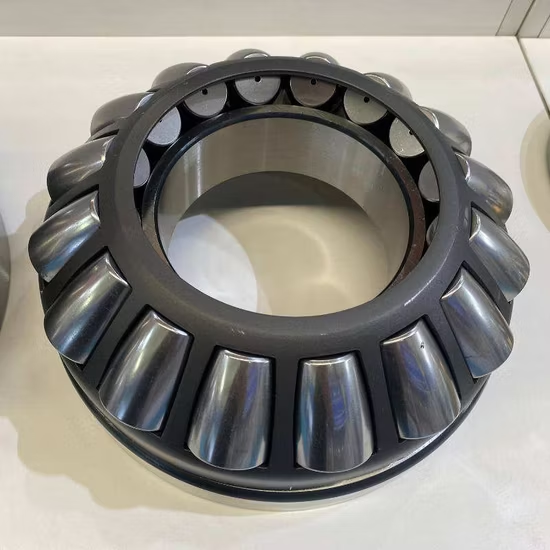
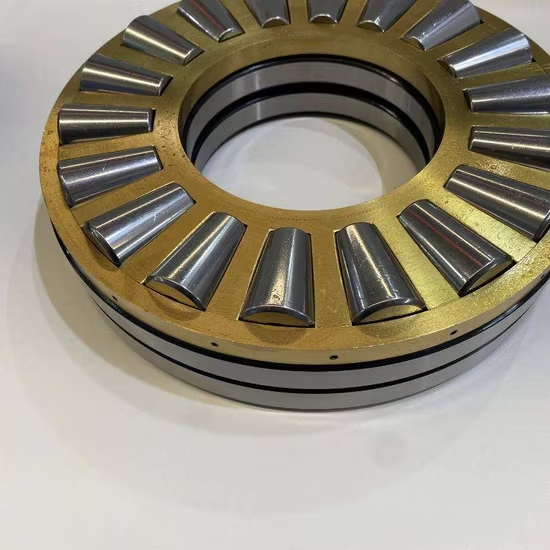
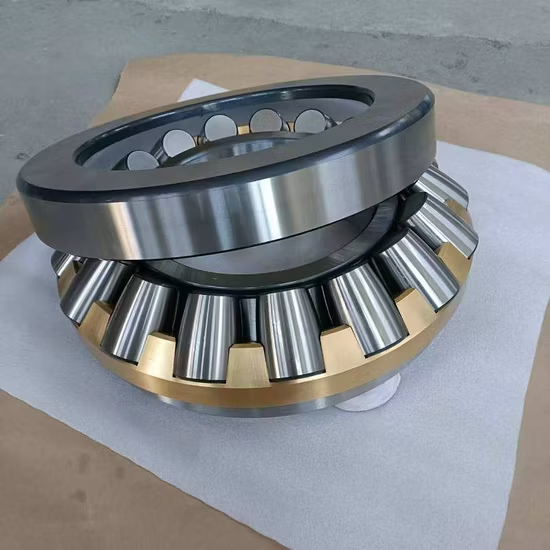
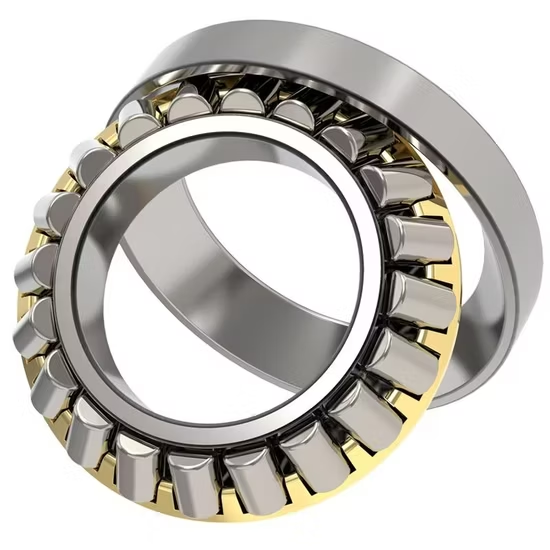

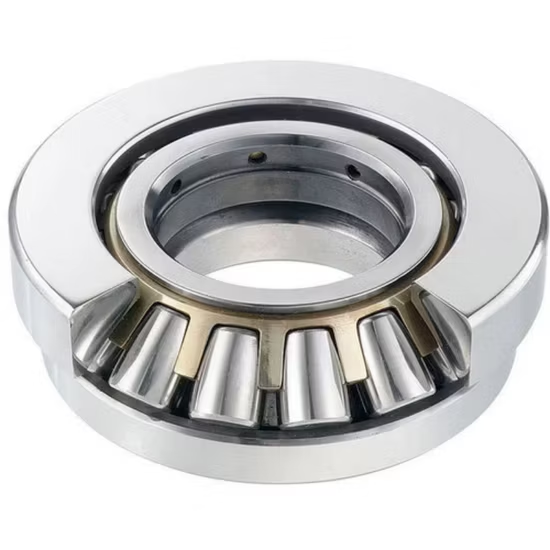
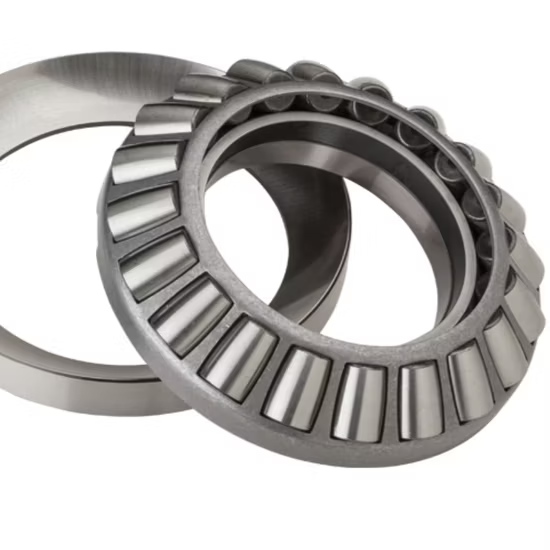
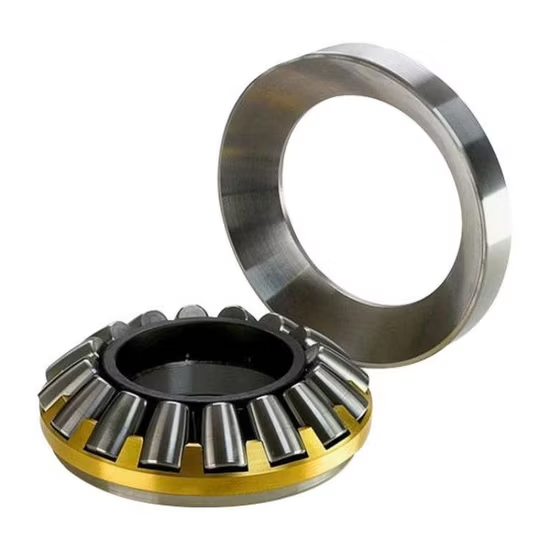
29318-E1-XL Spherical Thrust Roller Bearing features a machined brass cage (M) engineered to withstand heavy axial loads and severe shock conditions in industrial gearboxes and mining equipment.
Multi-Brand Authorized Coverage — Procure mixed-brand thrust components in a single consolidated order without coordinating multiple vendors.
| Parameter | Value |
|---|---|
| Designation | 29318-E1-XL |
| Bearing Type | Spherical Thrust Roller Bearing |
| Cage Material | Machined brass cage (M suffix option) |
| Vibration Level | Z1V1, Z2V2, Z3V3 |
| Origin | Germany / Japan / Sweden / Malaysia / China |
| HS Code | 8482500090 |
Note: The E1, XL, and E suffixes are unverified designations requiring manufacturer catalog confirmation for specific internal geometry details.
| Industry | Typical Applications |
|---|---|
| Mining and Crushing | Gyratory crusher main shaft thrust support |
| Material Handling | Bucket elevator drive gearbox thrust positions |
| Marine Drives | Azimuth thruster vertical shaft axial load support |
Matching the base designation while ignoring internal design suffixes is a primary cause of catastrophic cage failure.
During my early years inspecting heavy machinery across the Shandong Peninsula, I witnessed a massive ore crusher grind to a halt because a maintenance team installed a standard thrust bearing instead of the required reinforced variant. Under severe shock loading, the pressed steel cage shattered, sending metallic debris through the entire gearbox. A significant share of premature failures in heavy axial applications stems from this exact cross-reference oversight . When sourcing a 29318-E1-XL spherical thrust roller bearing, verifying the exact cage material and internal geometry is non-negotiable to prevent unplanned downtime and secondary equipment damage.
Selecting the correct internal architecture ensures the bearing can accommodate the immense axial forces typical in crusher and extruder applications. Our technical team reviews your specific load profiles to ensure the selected 29318-E1-XL spherical thrust roller bearing features the appropriate reinforced roller complement. We cross-reference OEM equipment numbers to guarantee the internal design matches the original engineering intent, preventing the premature fatigue that occurs when standard variants are forced into high-stress environments.
Vertical shaft applications in marine drives and bulk conveyors subject thrust bearings to intense, fluctuating axial shock loads combined with significant thermal gradients. At elevated temperatures, standard internal clearances can close entirely, leading to severe thermal binding and rapid raceway degradation. Proper lubrication selection is equally critical; oil bath systems are often required to dissipate the friction heat generated by heavy rolling element contact, while effective sealing arrangements must prevent abrasive mining dust from contaminating the oil supply .
The presence of the M suffix indicates a machined brass cage, which provides substantially higher structural integrity under heavy axial loads and sudden shock impacts compared to pressed steel alternatives. Brass cages maintain their geometric stability and resist deformation when subjected to the intense vibration inherent in crushing and material handling equipment. Furthermore, the availability of different vibration and noise grading options allows procurement engineers to specify tighter manufacturing tolerances for sensitive marine or hydroelectric installations. Understanding these specific suffix combinations ensures the bearing operates reliably within its intended dynamic envelope.
Installing a bearing that lacks the necessary internal reinforcement inevitably leads to catastrophic cage fragmentation and severe raceway spalling. According to failure analysis frameworks outlined in ISO 15243, surface distress and structural breakage in thrust positions rapidly escalate into secondary gearbox damage . This transforms a simple component replacement into a massive overhaul project, resulting in extensive unplanned downtime, voided equipment warranties, and exorbitant emergency freight costs for replacement assemblies.
We supply genuine products with complete batch traceability, ensuring every thrust bearing originates directly from the manufacturer's production facilities. Our cross-brand interchange expertise matches clearance, cage material, and internal design suffixes, rather than relying on superficial base number equivalencies. We actively prevent the dangerous substitution of standard cages where machined brass is strictly required by the OEM design. Every shipment includes comprehensive application-based selection reviews covering your specific axial load, speed, and thermal conditions. This rigorous technical validation eliminates the guesswork and protects your critical machinery from avoidable field failures.
To facilitate an accurate L10 life calculation and technical validation, please provide the specific axial and radial load profiles, operational speeds, and steady-state thermal conditions of your application. Sharing the exact OEM equipment designation or original manufacturer part number allows our engineering team to perform a precise cross-reference verification. This data ensures we supply a thrust bearing that perfectly aligns with your mechanical design requirements and operational environment.
Q: How do I verify the authenticity of this thrust bearing using official brand tools?
A: Every genuine unit features a unique QR code linked to the manufacturer's official verification app. Scanning this code confirms the exact designation, batch number, and production facility. This digital traceability eliminates the risk of installing counterfeit components with soft inner rings that frequently fail under heavy axial loads in mining and crushing applications.
Q: Why is matching the cage material suffix critical during cross-referencing?
A: Base number matches often overlook vital internal design suffixes. Installing a standard pressed steel cage in an application requiring a machined brass cage leads to rapid structural fragmentation under shock loads. We strictly align the cage material and internal geometry to the OEM specification, preventing catastrophic field failures and protecting downstream gearbox components from severe debris contamination.
Q: What are the selection boundaries between machined brass and pressed steel cages here?
A: Machined brass cages, indicated by the M suffix, offer superior durability and geometric stability under heavy axial loads, high vibration, and sudden shock impacts typical in crushers. Pressed steel variants are generally restricted to lighter, steady-load applications. Selecting the correct cage type based on your specific dynamic load profile is essential for achieving the expected operational service life.
Q: How should I interpret the different vibration and noise grades for heavy machinery?
A: Grades ranging from Z1V1 to Z3V3 indicate progressively tighter manufacturing tolerances and smoother raceway finishes. While standard grades suffice for rugged mining conveyors, higher precision grades are necessary for sensitive marine drives or hydroelectric turbines where excessive vibration accelerates fatigue. We help you select the appropriate grade to balance operational smoothness with procurement budgets.
Q: What documentation is provided to support customs clearance and origin verification?
A: We supply a comprehensive documentation package including a Certificate of Conformity, country-of-origin certificates, and material test reports. The HS Code 8482500090 is clearly declared alongside detailed dimensional inspection reports. This complete paperwork trail ensures smooth international customs clearance and provides full regulatory compliance for your procurement and quality assurance records.
Our 5-step process ensures every order is engineered, validated, and supported for optimal performance.
Technical needs assessment
Custom specifications
Free samples for $50k+
Pre-shipment inspection
On-site & predictive
Our certified engineers respond within 24 hours with detailed technical specifications, pricing, and lead time information.