01
Consultation
Technical needs assessment

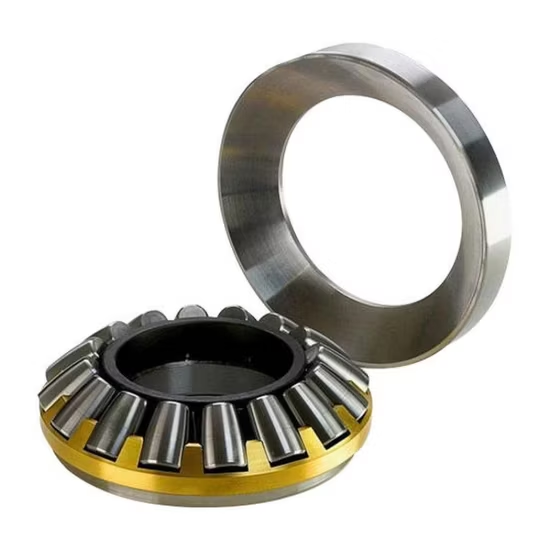
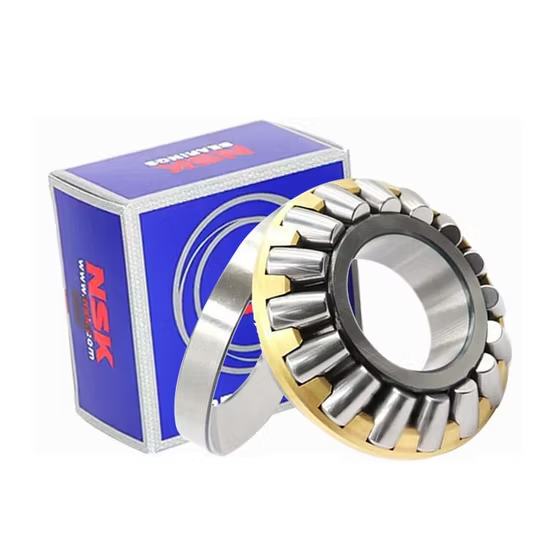
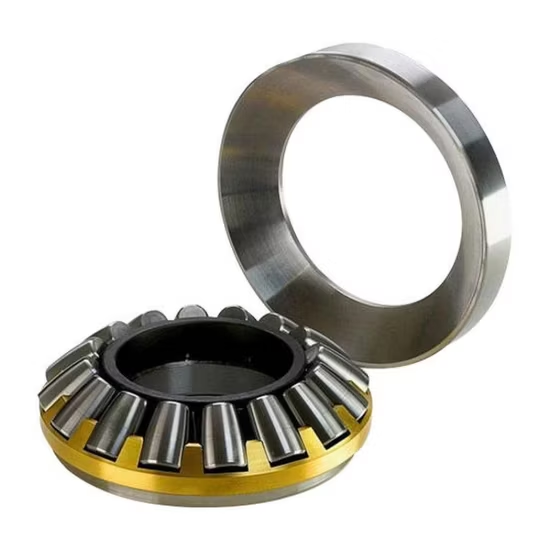
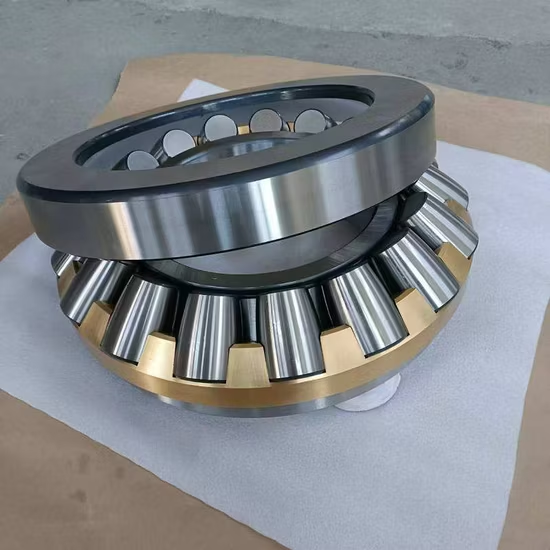
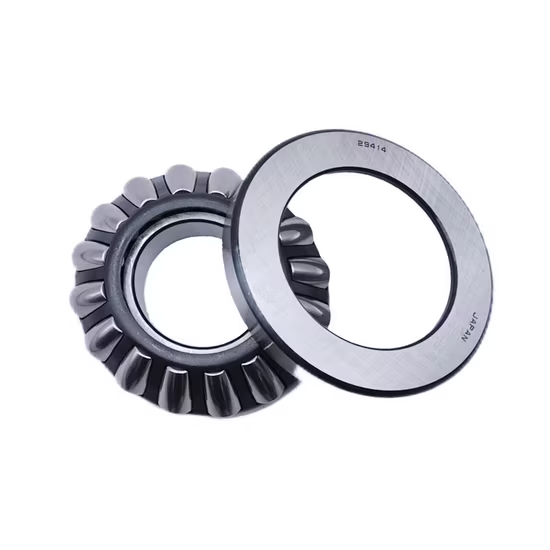
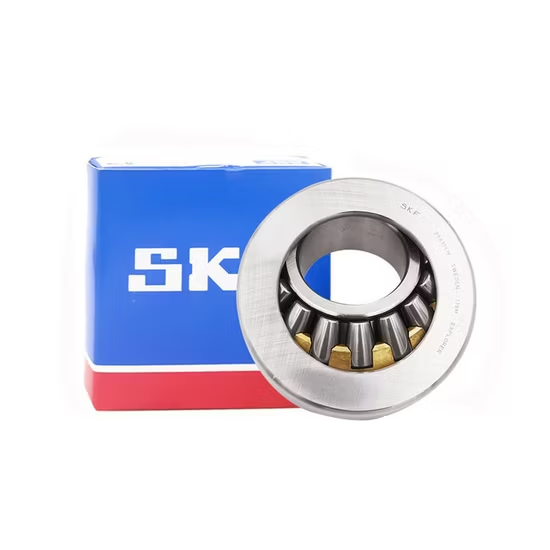
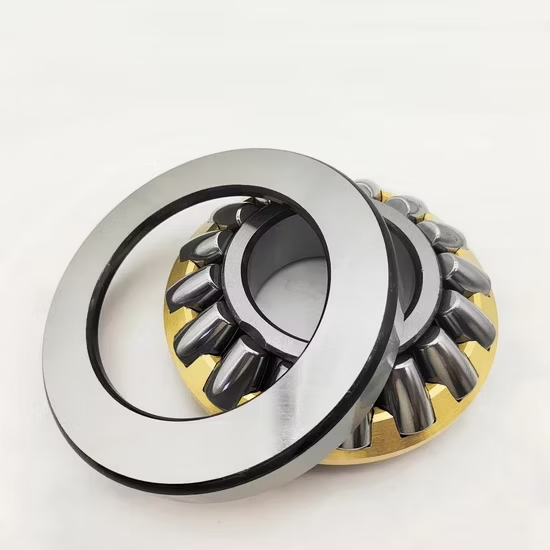
29317 Spherical Roller Thrust Bearing — separable shaft washer, housing washer, and roller-cage assembly allow independent mounting in heavy axial load applications.
Full Batch Traceability — Every 29317 spherical roller thrust bearing ships with manufacturer lot documentation and QR codes for direct origin verification.
| Parameter | Value |
|---|---|
| Designation | 29317 |
| Bearing Type | Spherical Thrust Roller Bearing |
| Origin | Germany, Japan, Sweden, Malaysia, or China |
| HS Code | 8482500090 |
| Industry | Typical Applications |
|---|---|
| Mining and Crushing | Gyratory crusher main shaft thrust support |
| Material Handling | Heavy-duty crane hook block assemblies |
| Industrial Gearboxes | Extruder screw thrust accommodation |
| Marine Engineering | Marine propulsion drive axial load support |
Matching the base designation without verifying internal clearance and cage material leads to thermal binding under heavy axial loads.
In the Middle East, I have seen countless installations where the basic model number matched perfectly, yet the equipment seized within weeks. Standard clearance variants simply cannot accommodate the thermal expansion generated in high-temperature, heavy-load environments. When procurement teams overlook these critical internal design specifics, the resulting friction destroys the cage and halts production .
Securing the correct 29317 spherical roller thrust bearing requires looking past the stamped numbers on the outer ring. We review your specific axial load profiles and thermal conditions to specify the exact internal geometry. This prevents the premature cage fatigue that plagues generic replacements in demanding mining and extrusion applications.
Heavy axial loads combined with low rotational speeds generate substantial friction heat at the roller ends. If the internal clearance is too tight, thermal expansion eliminates the operational gap, causing the rollers to skew and bind. Adequate clearance, paired with a robust brass cage, ensures continuous lubricant flow to the critical contact zones even when ambient temperatures fluctuate wildly .
Because this designation lacks explicit suffix markings, the internal configuration is often assumed rather than verified. A standard clearance will fail rapidly when subjected to the heat of an extruder or crusher. Specifying an expanded clearance class prevents the inner and outer rings from pinching the roller assembly during thermal growth. Furthermore, selecting a machined brass cage variant provides the necessary structural integrity to withstand the intense axial forces and shock loads inherent to these heavy-duty environments.
Installing a component with incorrect internal geometry voids warranty protections and triggers catastrophic downstream damage. According to ISO 281 frameworks, improper clearance alignment drastically reduces the calculated fatigue life, turning a planned maintenance interval into an emergency shutdown. The resulting unplanned downtime and collateral shaft damage far exceed the initial procurement savings of accepting unverified stock .
We maintain authorized distribution channels across all major global manufacturers, allowing you to consolidate mixed-brand requirements into a single verified shipment. Our cross-reference protocol goes beyond basic numbers, actively matching the internal design and cage materials required for your specific crusher or crane. Every unit undergoes strict application-based selection review to ensure the clearance and precision align with your operational reality. We eliminate the risk of counterfeit parts with soft inner rings by providing unbroken chain-of-custody documentation.
To ensure accurate selection and cross-reference verification, please provide your operational parameters including peak axial loads, rotational speeds, and expected thermal ranges. Sharing the OEM equipment designation or the exact installation space dimensions allows our engineering team to confirm the optimal internal clearance and cage configuration. Detailing the environmental exposure, such as heavy particulate contamination or moisture, helps us finalize the appropriate protective specifications for your application.
Q: How to verify the authenticity of 29317 bearings using official brand QR apps?
A: Upon delivery, scan the QR code on the packaging using the manufacturer's official mobile application. This confirms the batch and lot traceability, ensuring the internal components match the certified specifications. This step effectively eliminates the risk of installing counterfeit units featuring soft inner rings that pass casual visual inspections but fail rapidly under heavy axial thrust.
Q: What cross-reference details must align when replacing spherical roller thrust bearings?
A: Beyond matching the base designation, you must verify the internal clearance class and cage material. A standard clearance variant will thermally bind in high-heat environments, while a stamped steel cage may fracture under severe shock loads. Our technical review ensures these hidden internal specifications perfectly align with your original equipment requirements.
Q: How does the separable design simplify mounting in heavy machinery?
A: The shaft washer, housing washer, and roller-cage assembly can be mounted independently. This modularity significantly simplifies the installation process in confined spaces, such as crane hook blocks or extruder gearboxes. It also allows maintenance crews to inspect or replace individual components without dismantling the entire thrust support structure.
Q: What are common failure modes in mining applications, and how does proper selection prevent them?
A: Heavy shock loads and particulate contamination frequently cause cage fracture and roller skewing. By specifying an expanded internal clearance to accommodate thermal growth and utilizing a robust machined brass cage, the bearing maintains structural integrity and continuous lubrication flow, directly mitigating these prevalent field failures per ISO 15243 guidelines.
Q: How to determine the correct internal clearance for high-load, low-speed gearbox applications?
A: Low-speed, high-load environments generate significant friction heat, causing the shaft and housing to expand at different rates. If the clearance is too tight, the bearing binds. Providing your exact operational temperature gradients and axial load profiles allows us to calculate the necessary expanded clearance to maintain a safe operational gap during thermal expansion.
Our 5-step process ensures every order is engineered, validated, and supported for optimal performance.
Technical needs assessment
Custom specifications
Free samples for $50k+
Pre-shipment inspection
On-site & predictive
Our certified engineers respond within 24 hours with detailed technical specifications, pricing, and lead time information.