01
Consultation
Technical needs assessment

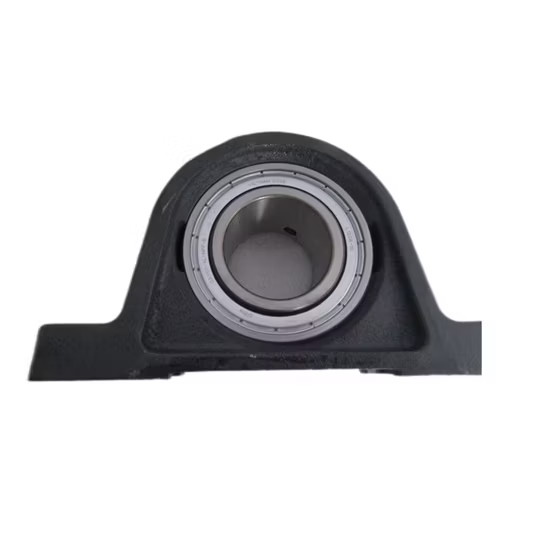
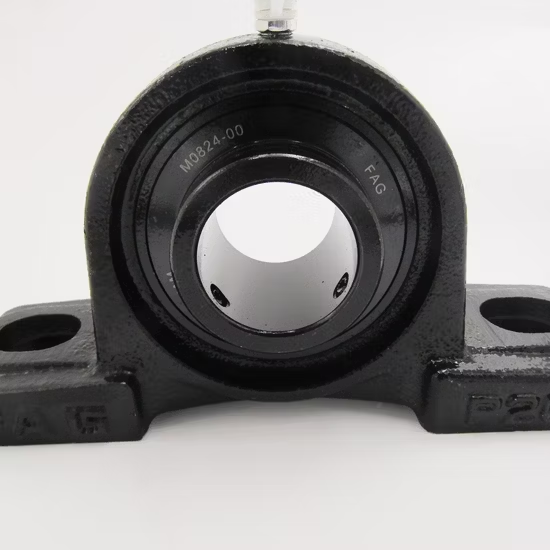
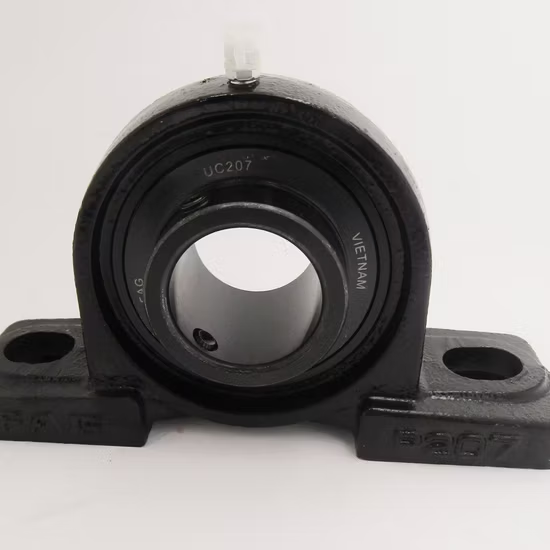
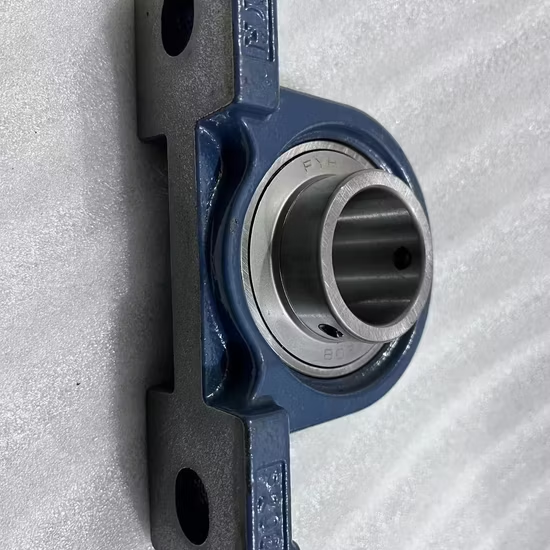
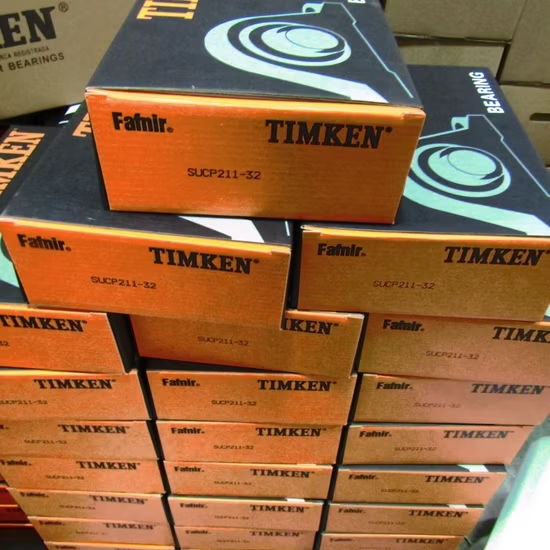
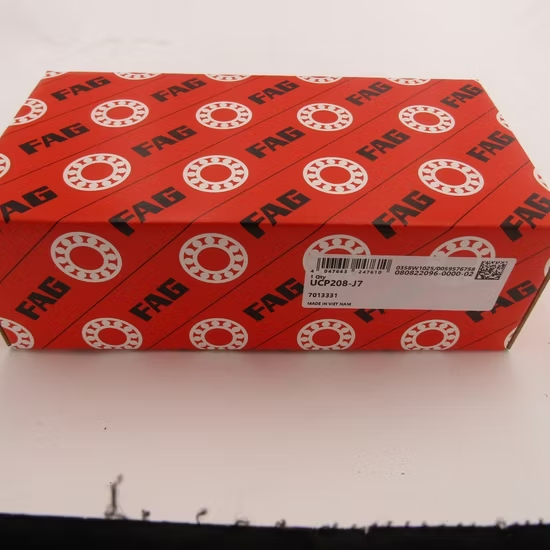
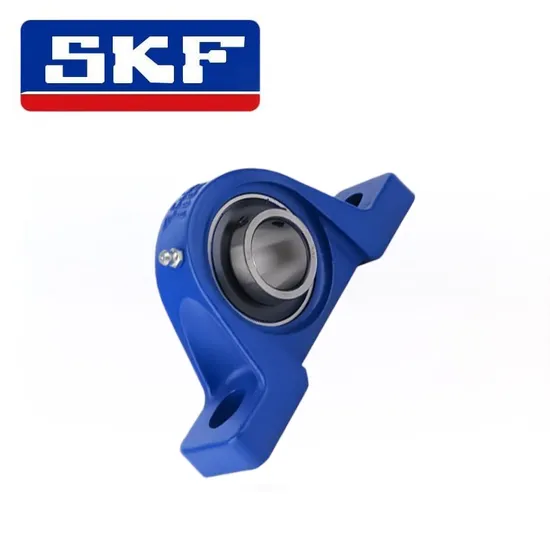
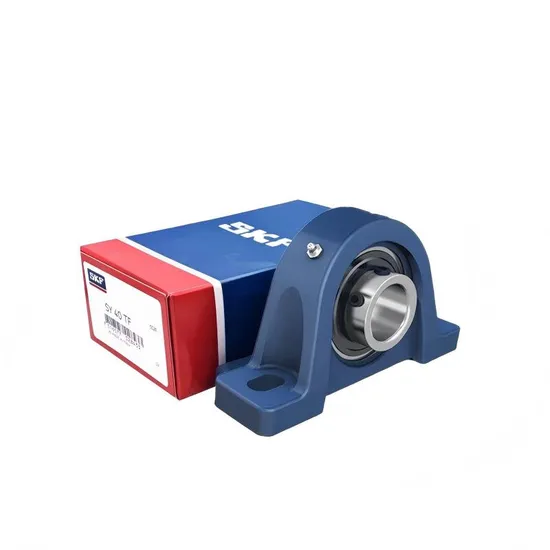
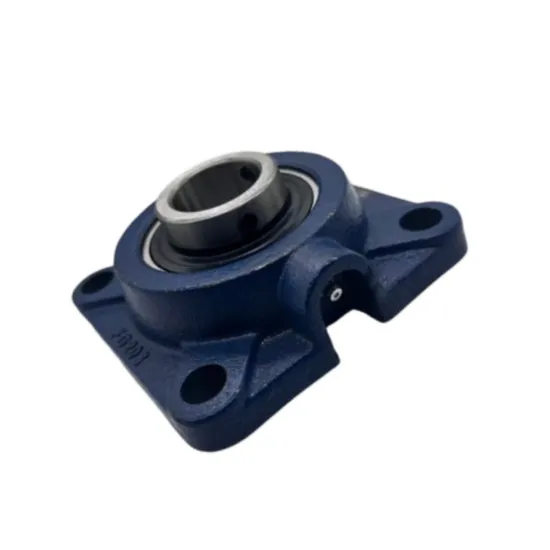
UCP202 UCP203 UCP204 UCP205 UCP206 UCP207 UCP208 UCP209 Pillow Block Units — cast iron housings with deep groove raceways and set screw locking for 15-45 mm shafts.
Full Brand Authorization Coverage — sourcing mixed batches of UCP202 through UCP209 from multiple manufacturers in a single order eliminates multi-vendor coordination.
| Parameter | Value |
|---|---|
| Designation | UCP202 UCP203 UCP204 UCP205 UCP206 UCP207 UCP208 UCP209 |
| Product Type | Insert Bearing / Pillow Block Unit |
| Bearing Type | Deep Groove Ball Bearing with Spherical Outside Ring |
| Housing Material | Cast Iron |
| Housing Design | P-type Pillow Block with Base Mounting |
| Locking Mechanism | Set Screw Locking on Inner Ring |
| Rows Number | Single |
| Bore Size Range | 15 mm to 45 mm |
| Alignment Capability | Self-aligning via spherical seating |
| Seal Type Options | Contact rubber seals or steel shields |
| Clearance Options | Standard (CN) or C3 for thermal expansion |
| Feature Options | Corrosion resistant, high temperature, high speed variants |
| Origin | Germany / Japan / Sweden / Malaysia / China |
| Industry | Typical Applications |
|---|---|
| Material Handling | Belt conveyor drive and tail pulley shafts |
| Agriculture | Combine harvester rotor drives and auger supports |
| Textile Manufacturing | Yarn tensioning rollers and loom beat-up mechanisms |
| General MRO | Industrial exhaust fan shafts and light mixer agitators |
Mismatched internal clearance and inadequate sealing are the actual culprits behind most pillow block failures on conveyor lines.
In the humid and dusty environments typical of material handling facilities, a standard clearance insert bearing installed on a long conveyor shaft will often bind as the shaft expands under continuous friction. We frequently inspect failed units where the base designation matched the OEM requirement, but the internal clearance and seal type were entirely wrong for the operating temperature and contamination level . Relying on a generic UCP series pillow block bearing supplier without verifying these critical suffixes usually results in the inner ring seizing to the shaft, tearing up the housing and halting the entire production line.
Selecting the correct UCP series pillow block bearing supplier involves looking past the basic dimension series to evaluate the actual load profile. Conveyor pulleys impose steady radial loads combined with shock loads when heavy material drops onto the belt. The cast iron P-type housing provides the necessary structural damping, while the deep groove raceway insert handles the radial forces. Ensuring the set screw locking mechanism is properly torqued prevents the inner ring from creeping on the shaft under reversing or vibrational stresses.
The operating environment dictates the survival of the bearing. In agricultural or textile applications, airborne dust and fibrous lint easily penetrate standard shields, contaminating the grease and accelerating raceway wear. Selecting inserts with heavy-duty contact seals and external slingers prevents this ingress, though it introduces slightly higher friction. Furthermore, high-speed textile rollers require precise internal geometries and high-speed grease to prevent thermal runaway, making the initial clearance selection vital to accommodate the heat generated during continuous operation .
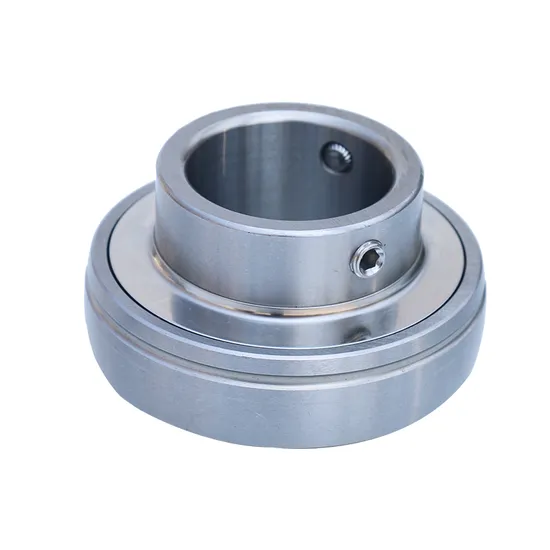
The UCP prefix designates a cast iron pillow block housing paired with a wide inner ring insert bearing secured by set screws. The numerical suffixes from 202 to 209 represent the dimension series and correspond to shaft diameters ranging from 15 mm up to 45 mm. While the outer spherical diameter allows for initial static misalignment during mounting, the deep groove raceway profile is strictly designed to accommodate radial loads and minimal axial displacement. Understanding this locking and alignment mechanism ensures the unit is mounted correctly without inducing pre-load on the rolling elements.
Replacing an OEM pillow block based solely on the base bore size and housing shape is a common procurement error. If the replacement insert lacks the correct internal clearance for the application's thermal profile, the rolling elements will skid rather than roll once the operating temperature rises. According to failure analysis frameworks like ISO 281, this skidding rapidly degrades the raceway, leading to catastrophic cage failure and unplanned downtime. The resulting production losses and emergency freight costs heavily outweigh the initial savings of bypassing a thorough technical cross-reference.
Sourcing from an authorized network ensures every UCP205 or UCP208 unit arrives with verifiable lineage. We align cross-references by matching the internal clearance, seal configuration, and locking mechanism, not just the basic housing dimensions. Our inventory provides batch traceability back to the manufacturer's production facilities, eliminating the risk of receiving counterfeit units with soft inner rings that wear out prematurely. This rigorous verification process guarantees the metallurgical integrity required for demanding MRO and OEM applications.
To ensure precise selection and L10 life verification, provide your operational parameters including radial and axial loads, operating speeds, and ambient temperatures. If replacing an existing unit, share the OEM equipment number or the exact designation stamped on the current insert, including all clearance and sealing suffixes. Our engineering team will review these details to confirm the optimal housing material and insert configuration for your specific machinery.
Q: Why does a matching base designation still cause premature failure on conveyor shafts?
A: A matching base number like UCP205 only confirms the physical dimensions and bore size. If the internal clearance or seal type differs from the OEM specification, thermal expansion can eliminate the internal play, causing the bearing to seize. We verify all suffixes to ensure the replacement matches the exact thermal and contamination requirements of your application.
Q: How can we identify counterfeit pillow blocks with soft inner rings?
A: Counterfeiters often clone external packaging and basic QR codes, but the inner ring metallurgy remains substandard. We supply only authorized inventory that supports verification through the manufacturer's official mobile application. This digital traceability confirms the exact production batch and guarantees the inner ring hardness meets the required specifications for set screw locking.
Q: What sealing options are best for textile machinery exposed to airborne lint?
A: Textile environments generate fine fibrous dust that easily bypasses standard non-contact steel shields. We recommend specifying inserts with heavy-duty contact rubber seals, often combined with external flingers. This configuration creates a tight barrier against lint ingress, protecting the internal grease and preventing the abrasive wear that typically destroys rollers in yarn processing equipment.
Q: How should the set screws be tightened during installation to prevent shaft damage?
A: Over-tightening set screws can distort the inner ring, reducing internal clearance and causing immediate thermal binding. Under-tightening allows*commend using a calibrated torque wrench and following the specific manufacturer guidelines for the designated bore size to achieve a secure grip without compromising the deep groove raceway geometry.
Our 5-step process ensures every order is engineered, validated, and supported for optimal performance.
Technical needs assessment
Custom specifications
Free samples for $50k+
Pre-shipment inspection
On-site & predictive
Our certified engineers respond within 24 hours with detailed technical specifications, pricing, and lead time information.