01
Consultation
Technical needs assessment

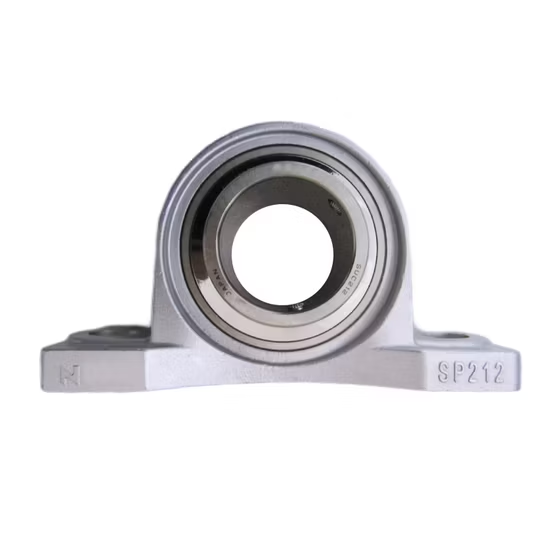
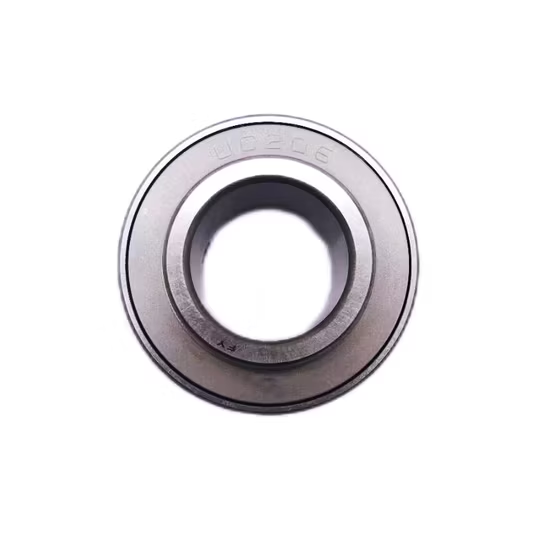
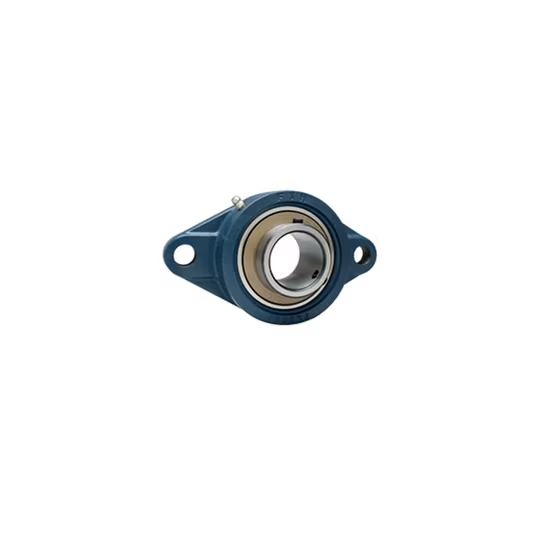
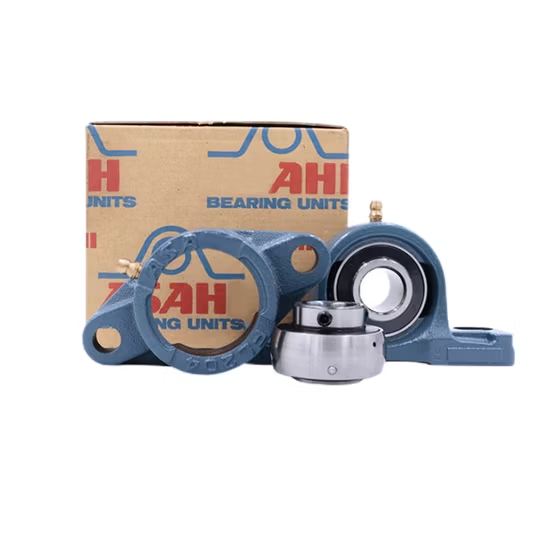
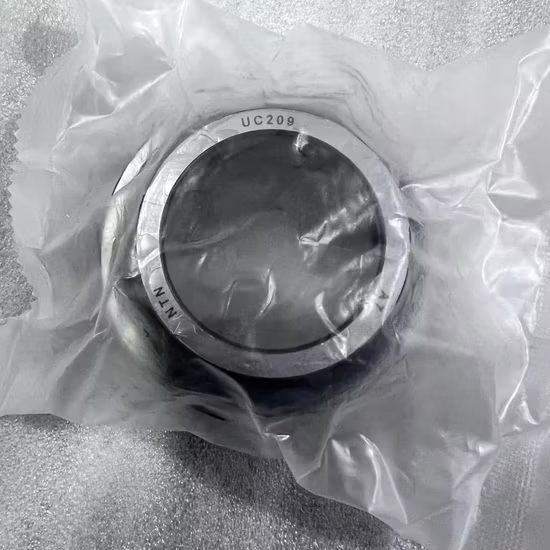
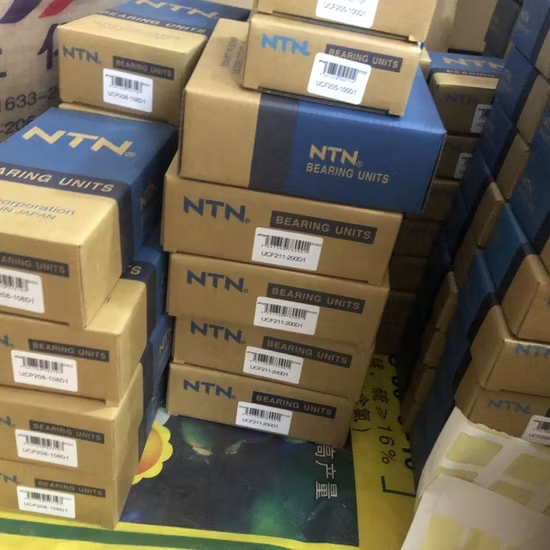
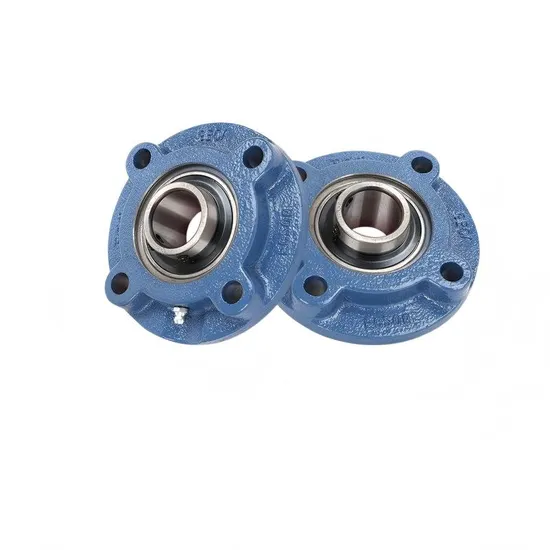
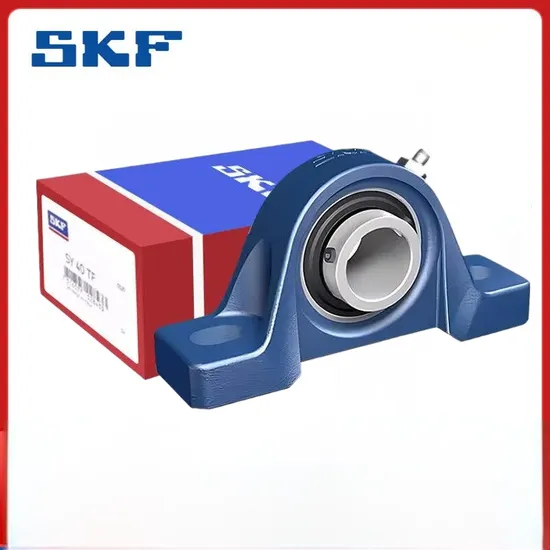
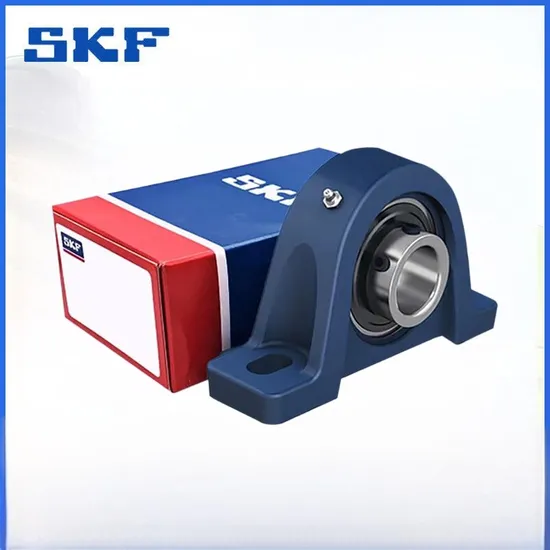
Ssucp201 Ssucp202 Ssucp203 Ssucp204 Stainless Steel Pillow Block Units feature a P housing base for stable mounting and UC insert bearings to accommodate initial shaft misalignment.
Multi-Brand Coverage — Mixed-brand orders for Ssucp201 Ssucp202 Ssucp203 Ssucp204 ship under unified traceability, eliminating the need to coordinate multiple vendors for washdown spares.
| Parameter | Value |
|---|---|
| Designation | Ssucp201 Ssucp202 Ssucp203 Ssucp204 |
| Product Type | Pillow Block Unit |
| Bearing Block Model | P |
| Rows Number | Single |
| Raceway | Deep Groove Raceway |
| Material Options | Available in stainless steel or cast iron housing variants |
| Feature | Corrosion Resistant, High Temperature, High Speed |
| Origin | Germany / Japan / Sweden / Malaysia / China |
| HS Code | 8483200000 |
Note: The SS prefix is an unverified suffix — requires manufacturer catalog confirmation for specific brand interchange.
| Industry | Typical Applications |
|---|---|
| Food and Beverage | Washdown conveyor rollers, bottling line guides, pasteurizer chains |
| Agriculture | Harvester auger bearings, fertilizer spreader shafts, irrigation pivots |
| Material Handling | Package sorting diverters, wet environment belt idlers, dock levelers |
| Textile | Dyeing machine rollers, spinning frame guides, wet processing vats |
Standard bearing steel corrodes internally long before external rust becomes visible.
In high-humidity washdown environments, specifying standard carbon steel based solely on initial cost leads to catastrophic raceway pitting. I have seen entire production lines halted because a basic designation matched, but the material lacked the necessary corrosion resistance for food-grade caustic cleaning agents. When cross-referencing a stainless steel pillow block bearing SSUCP series supplier catalog, procurement teams often overlook the housing material, accidentally ordering c*ze at the mounting interface .
Matching the correct stainless steel pillow block bearing SSUCP series supplier inventory to your specific washdown protocol requires looking beyond the basic bore size. The deep groove raceway handles the radial loads typical of conveyor shafts, but the housing material determines survival against daily thermal shock. When hot processing equipment meets cold cleaning water, differential expansion can break standard seals. Selecting the appropriate material variant ensures the housing and insert expand uniformly, maintaining the seal integrity required to keep caustic detergents out of the grease cavity.
Conveyor systems and textile machines impose combined radial and light axial loads, requiring a deep groove raceway design that stabilizes the shaft without generating excess friction. High-speed sorting lines demand low-friction seals to prevent heat buildup, while slow-moving agricultural augers need heavy-duty contact seals to block particulate ingress. Temperature fluctuations in food processing dictate the internal clearance class; insufficient clearance leads to thermal binding when the shaft expands during operation . Proper lubrication intervals must also account for the washout risk inherent in high-pressure cleaning routines.
The Ssucp201, Ssucp202, Ssucp203, and Ssucp204 designations define the bore diameter series, but the surrounding suffixes dictate field performance. The UC insert designation indicates a set screw locking mechanism ideal for standard shafting, while the P housing model specifies the standard pillow block base for straightforward mounting. The single-row deep groove raceway provides versatile load handling, but the material selection—available in stainless steel or cast iron housing variants—must align with the environmental exposure. Misinterpreting these suffixes during cross-brand interchange often results in receiving a unit that fits the shaft but fails the environmental compliance audit.
Ordering a standard pillow block when a fully stainless unit is required voids equipment warranties and triggers unplanned downtime. According to failure mode classifications per ISO 15243, surface distress from corrosion often mimics fatigue spalling, leading maintenance teams to repeatedly replace bearings without addressing the root material mismatch. A base number might match the OEM requirement, but ignoring the housing material or seal type leads to premature failure, catastrophic shaft damage, and lost production hours that far exceed the initial component savings .
Sourcing genuine units requires verifying that the batch traceability aligns with the specific corrosion-resistant material claims. We provide cross-brand interchange matched on housing material, seal type, and internal clearance, ensuring the replacement unit survives the exact same washdown conditions as the original. Our technical selection review evaluates your specific load, speed, and chemical exposure to prevent the common error of installing standard clearance units in high-thermal applications. This prevents the thermal binding that plagues poorly specified replacements in food and beverage facilities.
To ensure precise cross-referencing and application suitability, provide the exact OEM equipment number or the specific radial and axial load profiles of your conveyor system. Detailing the operating temperature range and the specific chemical agents used during washdown cycles allows our engineering team to verify the correct material variant and internal clearance. Supplying the shaft diameter and mounting space constraints ensures the selected Ssucp unit integrates flawlessly without requiring mechanical modifications to the existing framework.
Q: How do I verify the authenticity of these stainless steel pillow block bearings?
A: Authenticity is confirmed through batch and lot traceability documentation and QR verification via official brand applications. We provide a Certificate of Conformity and material test reports that validate the specific stainless steel composition, ensuring the units meet the stringent hygiene and corrosion resistance standards required for food and beverage processing environments.
Q: What are the critical cross-reference checks for Ssucp units?
A: A reliable cross-reference must align the housing material, seal type, and internal clearance, not just the base designation. Matching only the bore size often results in installing cast iron housings or standard clearance inserts that fail under thermal expansion or caustic washdown conditions. We verify these three parameters to guarantee operational compatibility.
Q: Stainless steel vs. cast iron with nickel plating: which is right for my application?
A: Solid stainless steel variants are necessary for environments involving frequent high-pressure washdowns, caustic chemicals, or strict food safety regulations where plating degradation could contaminate the product. Nickel-plated cast iron may suffice for occasional moisture exposure or high-load applications where the structural damping of cast iron is preferred, provided the plating remains intact.
Q: How do I identify premature failure modes in corrosive conveyor applications?
A: Premature failure in corrosive environments typically presents as surface distress, raceway pitting, or seal degradation leading to grease washout, rather than classic fatigue spalling. Following ISO 15243 frameworks, identifying rust tracks or chemical etching on the rolling elements indicates that the current material specification or seal type is insufficient for the specific washdown protocol.
Our 5-step process ensures every order is engineered, validated, and supported for optimal performance.
Technical needs assessment
Custom specifications
Free samples for $50k+
Pre-shipment inspection
On-site & predictive
Our certified engineers respond within 24 hours with detailed technical specifications, pricing, and lead time information.