01
Consultation
Technical needs assessment

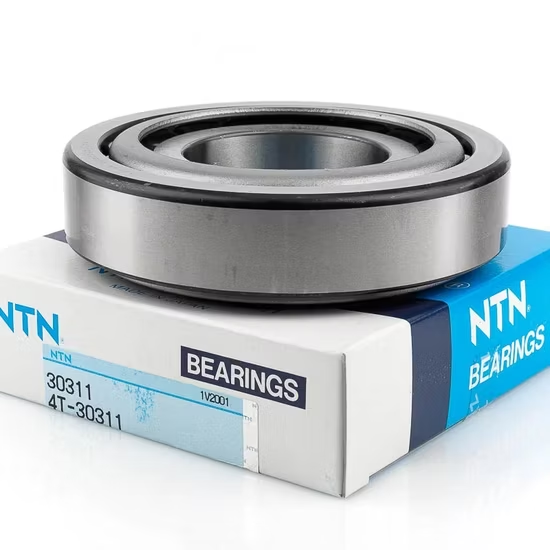
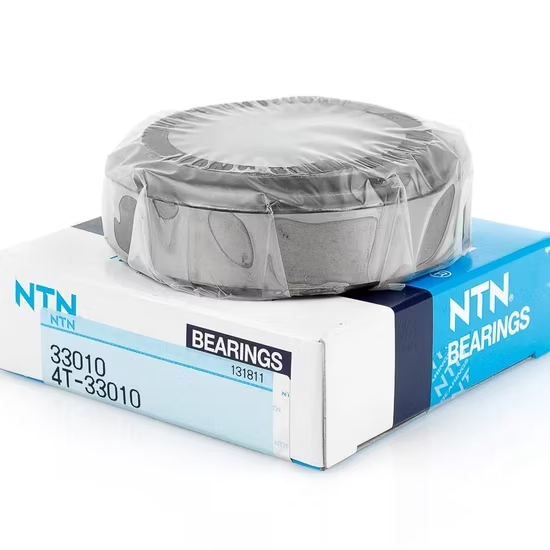
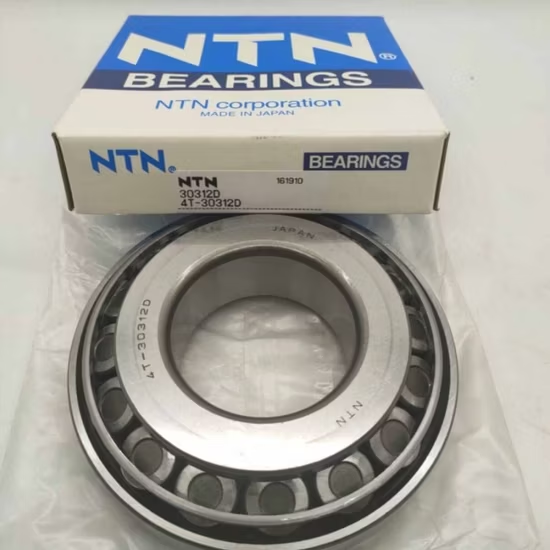
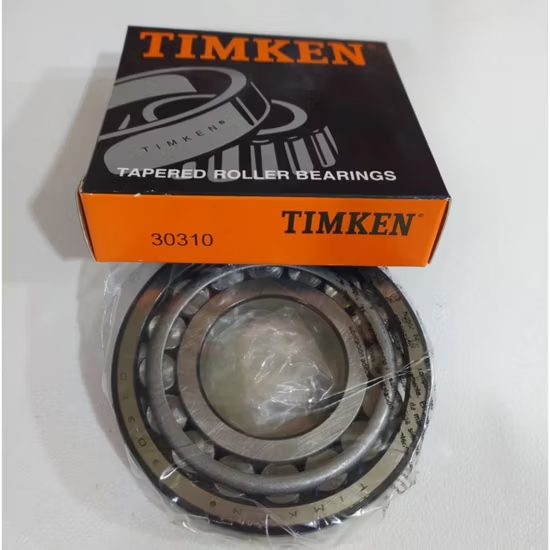
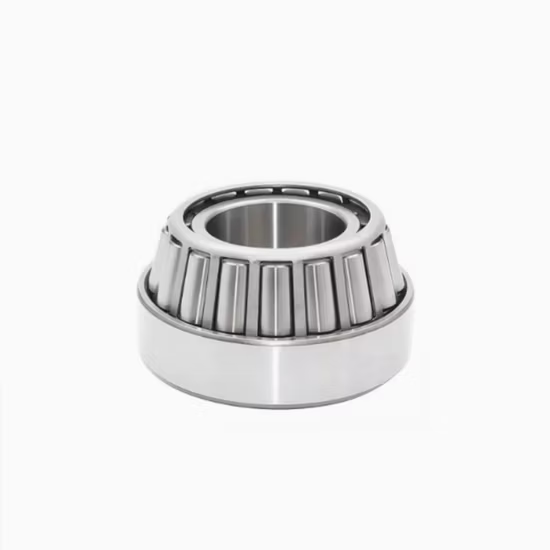

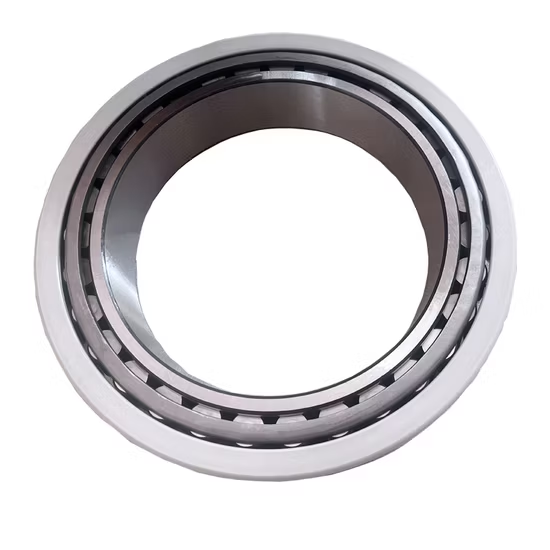
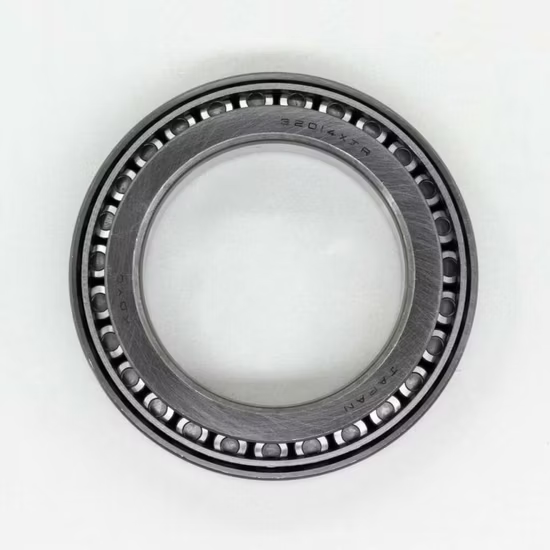
30207 Single Row Tapered Roller Bearing P4 for industrial gearboxes and automotive wheel hubs.
Cross-Reference Alignment — Every 30207 single row tapered roller bearing P4 shipment is verified against OEM internal design and cage specifications, not just the base designation.
| Parameter | Value |
|---|---|
| Designation | 30207 |
| Bearing Type | Single Row Tapered Roller Bearing |
| Precision Class | P4 |
| Material | GCr15 Bearing Steel |
| Cage Material Options | Nylon, Brass, or Iron |
| Structure | Taper |
| Origin Options | Germany, Japan, Sweden, Malaysia, or China |
| HS Code | 8482500090 |
| Industry | Typical Applications |
|---|---|
| Automotive & Heavy Vehicles | Wheel hub assemblies, truck axle differentials, transmission shafts |
| Industrial Manufacturing | Heavy-duty industrial gearboxes, material handling conveyor drive units |
| Construction & Building Materials | Crusher drive mechanisms, vibrating screen eccentric shafts |
Thermal expansion alters internal clearance, causing standard tolerance bearings to bind and seize under operational heat.
During my years troubleshooting field failures across Latin American mining and transport sites, I witnessed countless standard-grade replacements fail prematurely. When a standard tolerance taper roller bearing operates in a hot gearbox or a heavily loaded truck axle, the thermal expansion of the shaft and housing closes the internal clearance. Without the tighter dimensional control of a P4 precision class, this leads to excessive friction, rapid temperature spikes, and eventual cage failure. . Procurement teams often match the base number but overlook the precision requirement, resulting in catastrophic downtime that easily eclipses the initial cost savings of a lower-grade part.
Selecting the correct 30207 single row tapered roller bearing P4 ensures that the dimensional and running accuracy aligns with the tight tolerances required by modern industrial gearboxes and automotive axles. Our technical review process goes beyond basic catalog matching. We evaluate the specific operational loads and thermal profiles of your equipment to confirm that the P4 precision rating and the selected cage material will maintain optimal roll-to-roll contact and heat dissipation throughout the service interval.
Tapered roller bearings are engineered to manage significant combined radial and axial loads simultaneously. In applications like truck axles or crusher drives, shock loads and continuous vibration test the structural integrity of the rolling elements and the cage. As operating temperatures rise, the lubricant film thickness decreases, demanding a cage material that maintains its structural stability and minimizes friction. Proper installation and precise adjustment of the internal clearance during mounting are equally critical; even a high-precision component will fail if the mounting practices do not account for the thermal growth of the surrounding housing. .
The P4 precision class dictates exceptionally tight tolerances for bore diameter, outside diameter, and running accuracy compared to standard P0 grades. This exactness minimizes vibration and ensures even load distribution across the tapered rollers, which is vital for high-speed or high-precision gearbox applications. Furthermore, the cage material is a critical operational variable. Brass cages offer superior durability and heat dissipation in high-vibration, high-load environments, while nylon cages provide lower friction and quieter operation in moderate conditions. Iron cages serve as a robust, cost-effective alternative for standard heavy-duty applications. Choosing the right cage variant ensures the bearing survives the specific thermal and mechanical stresses of your machinery.
Installing a bearing that matches the base designation but lacks the required P4 precision or correct cage material inevitably leads to unplanned downtime. According to the failure mode classifications outlined in ISO 15243, improper internal clearance and cage fatigue are primary drivers of premature bearing destruction. When a component seizes inside a complex industrial gearbox or a commercial truck axle, the collateral damage to shafts, seals, and housings multiplies the repair costs. Relying on unverified cross-references voids equipment warranties and forces maintenance teams into reactive, expensive emergency repairs rather than planned, cost-effective maintenance schedules. .
Our procurement strategy eliminates the risk of receiving counterfeit components with soft inner rings that pass casual visual inspections but fail under load. We enforce strict cross-reference verification, ensuring that the 30207 replacement matches the exact internal geometry and cage design required by your OEM equipment. Every unit we supply features full batch traceability, allowing your quality team to verify authenticity directly through the manufacturer's official application. By consolidating multi-brand requirements through our authorized network, we resolve the technical discrepancies that typically cause thermal binding and premature cage failure in the field.
To ensure the selected component perfectly matches your operational requirements, please provide the specific radial and axial load profiles, operating speeds, and expected thermal ranges of your application. Sharing the original OEM equipment numbers or existing part designations allows our engineering team to perform a comprehensive cross-reference verification. This technical review guarantees that the precision class, internal geometry, and cage material are fully optimized for your machinery's unique demands, securing long-term reliability and preventing premature drivetrain failures.
Q: How does P4 precision differ from standard P0 in this tapered roller bearing?
A: P4 precision offers significantly tighter dimensional and running accuracy tolerances than standard P0 grades. This exactness minimizes vibration, ensures even load distribution across the rollers, and reduces heat generation. For demanding applications like industrial gearboxes and automotive axles, this higher precision class directly translates to extended service life and improved rotational stability under heavy combined loads.
Q: Why must cross-referencing include cage material and not just the base number?
A: Matching only the base 30207 number often overlooks critical internal design variations. Different cage materials—such as brass, nylon, or iron—dictate how the bearing handles heat, vibration, and lubrication starvation. Installing an incorrect cage type for a specific gearbox temperature profile can lead to rapid cage degradation, roller skewing, and catastrophic seizure, completely negating the benefits of the P4 precision raceways.
Q: How can I verify the authenticity of the supplied P4 bearings upon delivery?
A: Every shipment includes comprehensive batch traceability documentation and specific QR codes linked to the manufacturer's production records. Your receiving and maintenance teams can scan these codes using the brand's official mobile application to instantly verify authenticity. This process confirms the metallurgical origin and precision grade, effectively eliminating the risk of installing counterfeit components with compromised inner ring hardness.
Q: What application parameters are needed to confirm the correct cage selection?
A: To determine whether a brass, nylon, or iron cage is optimal, we require data on the operating temperature range, rotational speed, and the specific lubrication regimen used in your equipment. High-vibration, high-temperature environments typically demand the superior heat dissipation of brass, while moderate, well-lubricated applications may benefit from the lower friction characteristics of engineered nylon cages.
Our 5-step process ensures every order is engineered, validated, and supported for optimal performance.
Technical needs assessment
Custom specifications
Free samples for $50k+
Pre-shipment inspection
On-site & predictive
Our certified engineers respond within 24 hours with detailed technical specifications, pricing, and lead time information.