01
Consultation
Technical needs assessment

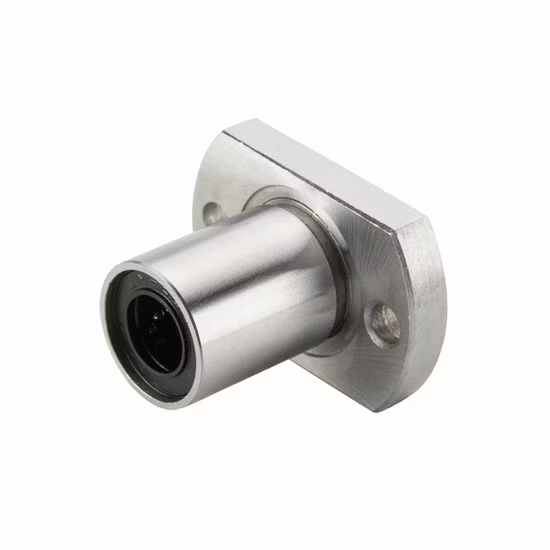
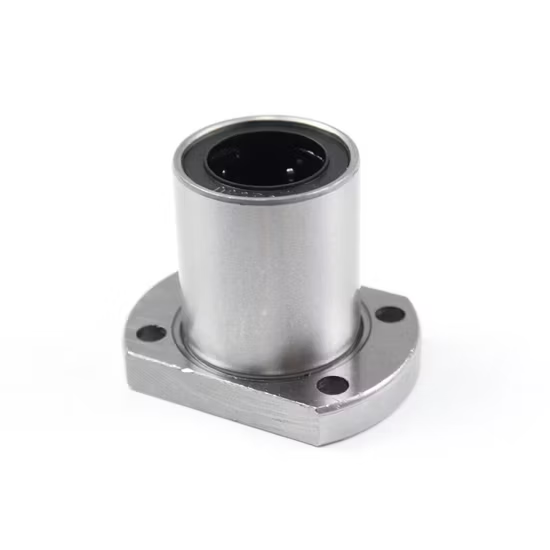
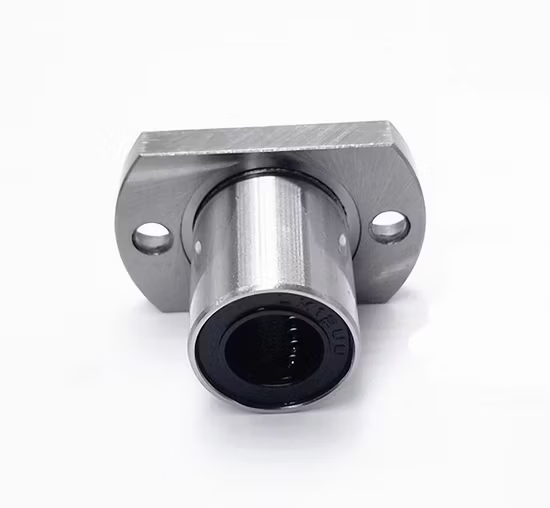
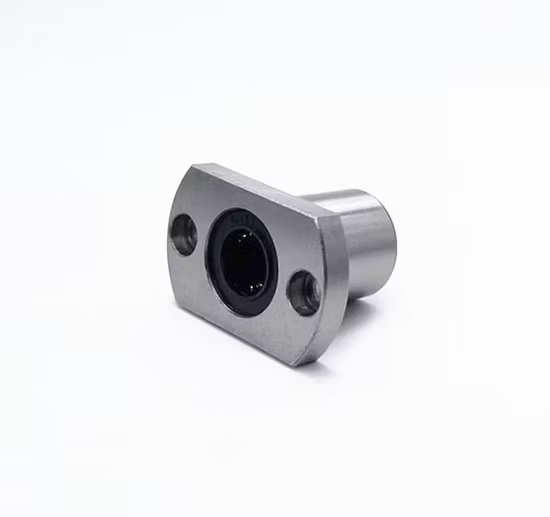
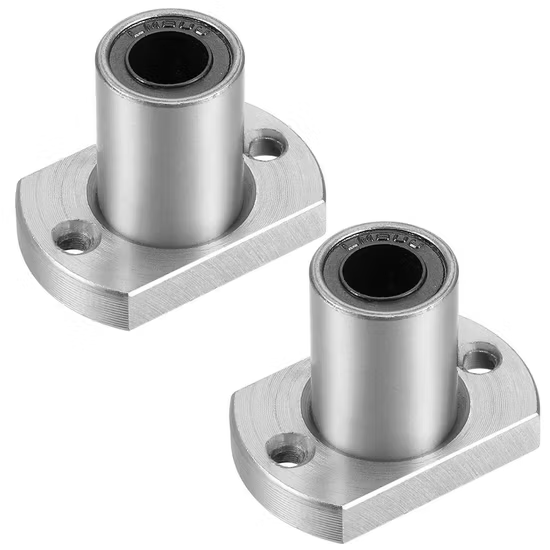
Lmh35luu Linear Bearing — bearing steel body with nylon cage for high-speed, low-noise operation in automation and machine tool linear guides.
Every unit ships with full batch traceability back to the original manufacturer for verified provenance.
Multi-Brand Authorized Coverage — Procure the Lmh35luu linear bearing alongside other guide components in a single consolidated shipment without juggling multiple vendors.
| Parameter | Value |
|---|---|
| Designation | Lmh35luu |
| Product Type | Linear Bearing |
| Series | LM |
| Material Options | Bearing steel variants available |
| Cage Material | Nylon |
| Flange Shape | Circular |
| Precision Rating Options | P0, P6, P5, P4, P2 |
| Operational Features | High speed, low voice, high temperature resistance |
| Origin Options | Germany, Japan, Sweden, Malaysia, China |
Note: Specific suffix interpretations for LM, H, 35, and UU remain unverified and require manufacturer catalog confirmation.
| Industry | Typical Applications |
|---|---|
| Automation Equipment | Multi-axis gantry systems, Cartesian robot linear slides |
| Machine Tools | CNC router guide rails, precision grinding machine carriages |
| Packaging Machinery | High-speed carton sealing actuators, automated palletizer guides |
| Medical Instruments | CT scanner patient table slides, automated laboratory sample handlers |
| 3D Printers | Large-format additive manufacturing Z-axis lead screw supports |
Matching the outer dimensions while ignoring internal retainer design leads to catastrophic carriage lock-ups.
In the Pearl River Delta manufacturing hub, I have witnessed numerous automated assembly lines grind to a halt because procurement teams focused solely on the outer diameter. A base number match often masks critical internal differences, such as a metallic retainer being installed where a polymer cage was required for high-frequency reciprocation. When vibration levels spike, mismatched internal structures cause rapid wear, ultimately jamming the slider and triggering unplanned downtime . Sourcing a genuine Lmh35luu linear bearing requires verifying the exact internal configuration to prevent these costly production interruptions.
Selecting the correct internal architecture is paramount for sustained automation performance. The Lmh35luu linear bearing utilizes a nylon cage specifically engineered to dampen vibration and reduce acoustic emissions during high-speed traversals. By prioritizing this polymer retainer over traditional stamped steel alternatives, the system avoids the resonance-induced fatigue that typically fractures metallic cages under continuous cyclic loading, ensuring smooth motion across the entire guide rail length.
Linear motion systems in automated environments face complex tribological challenges. High-speed reciprocation generates localized friction heat, which can alter internal clearances and lead to thermal binding if the component lacks adequate high-temperature resistance. Furthermore, the lubrication regime must be carefully managed; while sealed variants retain factory grease, open configurations require meticulous external relubrication schedules to prevent particulate ingress. Maintaining the correct operational clearance under varying thermal loads is essential to prevent the carriage from seizing on the shaft .
Understanding the specific configuration of this series reveals why internal details dictate operational success. The integration of a nylon retainer provides a distinct advantage in high-speed, low-voice applications by minimizing metal-to-metal contact between the rolling elements. When evaluating precision ratings ranging from P0 up to P2, the choice directly impacts the positional accuracy of the carriage; higher precision classes are mandatory for machine tool spindles and medical imaging slides where micron-level deviation is unacceptable. The circular flange design facilitates rigid mounting to the carriage plate, distributing dynamic loads evenly and preventing moment-induced distortion during rapid directional changes.
Overlooking the precise internal specifications of linear motion parts results in severe financial consequences beyond simple replacement costs. Premature carriage failure often causes secondary damage to the precision ground shaft, necessitating a complete system overhaul rather than a simple component swap. According to industry reliability frameworks, operating a guide system outside its verified design parameters voids warranty protections and drastically accelerates fatigue spalling on the raceways . This cascading damage transforms a minor maintenance task into a major capital expenditure.
Our distribution model eliminates the guesswork inherent in sourcing critical motion components. We provide authorized coverage across all major international brands, allowing you to consolidate mixed-brand requirements into a single, fully traceable order. Cross-referencing is executed by verifying the exact cage material, precision suffix, and flange geometry, ensuring the replacement matches the original equipment specifications perfectly. Every shipment includes batch traceability to the manufacturer, supported by official app QR verification to definitively rule out counterfeit parts with soft inner rings. Additionally, our technical team reviews application parameters to confirm the selected configuration can withstand your specific load and speed profiles.
To ensure optimal performance and longevity, please provide detailed operational parameters including radial and axial load profiles, maximum traversal speeds, and ambient temperature ranges. Supplying the original equipment manufacturer part numbers allows our engineering team to conduct a rigorous cross-reference check, verifying that the internal geometry and precision suffixes align perfectly with your machinery's design requirements. This technical review guarantees the selected configuration delivers the required L10 life and positional accuracy for your specific application.
Q: How can I verify the authenticity of the nylon cage components using official channels?
A: Authenticity is confirmed by scanning the QR codes provided on the packaging using the manufacturer's official mobile application. This digital verification links the specific batch to the factory's production database, ensuring the internal polymer materials and dimensional tolerances meet original specifications and ruling out cloned counterfeit products.
Q: Why is matching the exact flange shape and internal suffixes critical during cross-referencing?
A: Base numbers often match across different internal designs, but a mismatched flange or retainer type causes immediate operational failure. Verifying the circular flange and specific suffixes ensures the mounting geometry aligns and the internal clearance accommodates your thermal expansion, preventing the carriage from binding under load.
Q: What are the selection boundaries for polymer retainers versus metallic alternatives in these systems?
A: Polymer retainers excel in high-speed, low-noise applications by dampening vibration and reducing friction. Metallic cages are typically reserved for extreme temperature environments where polymers would degrade. Selecting the correct boundary ensures the retainer survives the operational thermal and cyclic stress without fracturing.
Q: How do I choose the correct precision rating for automated machine tool applications?
A: Machine tools demanding tight positional tolerances require higher precision classes like P4 or P2 to minimize carriage deviation during cutting operations. Standard automation or packaging lines may operate efficiently with P6 or P0 ratings, balancing cost with the required geometric accuracy of the linear slide.
Q: What mounting practices prevent thermal binding in high-speed linear guide assemblies?
A: Prevent thermal binding by ensuring precise shaft parallelism and avoiding over-tightening the circular flange mounting bolts, which can distort the outer ring. Allowing the system to reach thermal equilibrium during initial run-in helps verify that the internal clearances adequately compensate for friction-induced heat expansion.
Our 5-step process ensures every order is engineered, validated, and supported for optimal performance.
Technical needs assessment
Custom specifications
Free samples for $50k+
Pre-shipment inspection
On-site & predictive
Our certified engineers respond within 24 hours with detailed technical specifications, pricing, and lead time information.