01
Consultation
Technical needs assessment

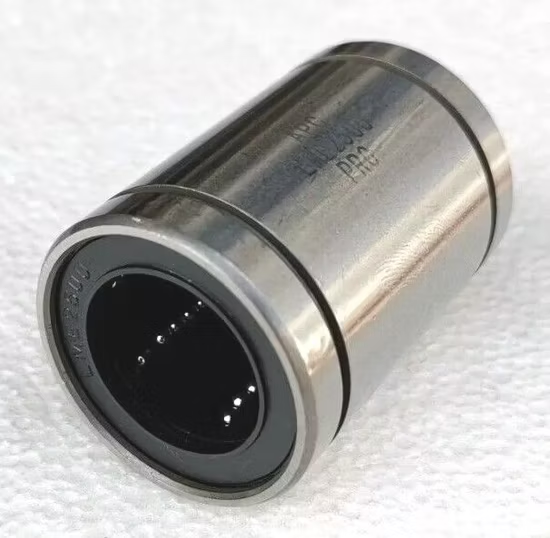
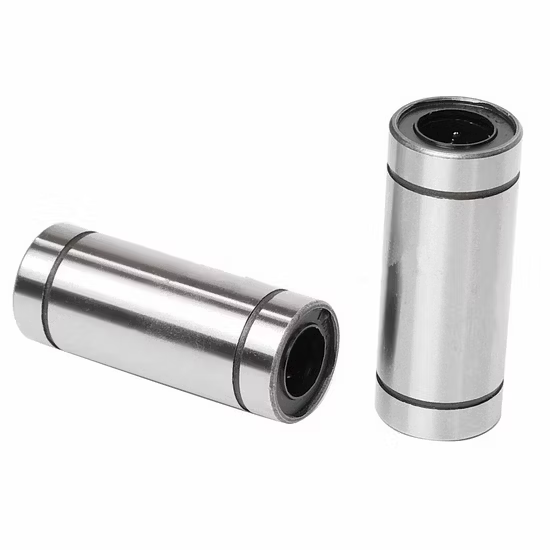
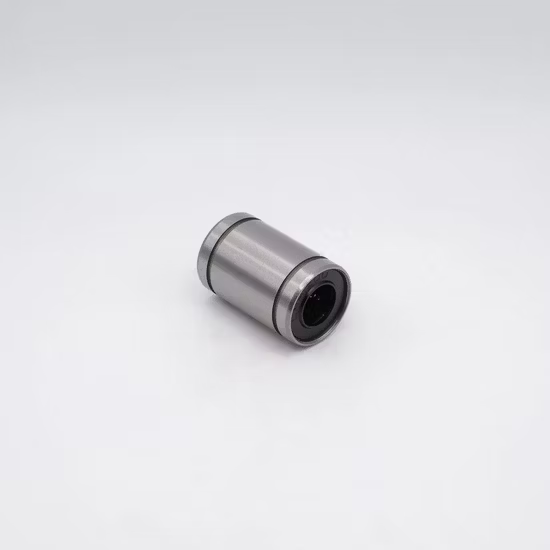
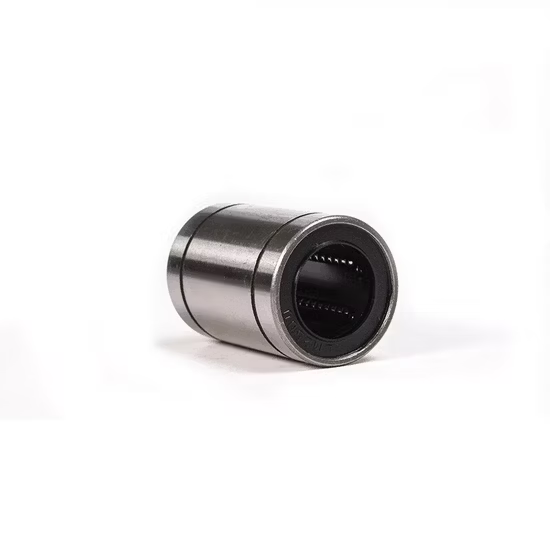

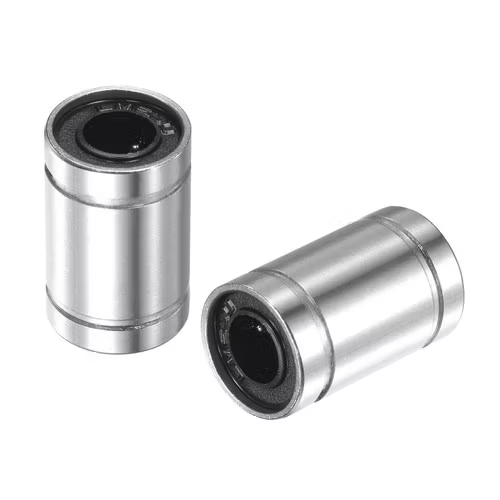
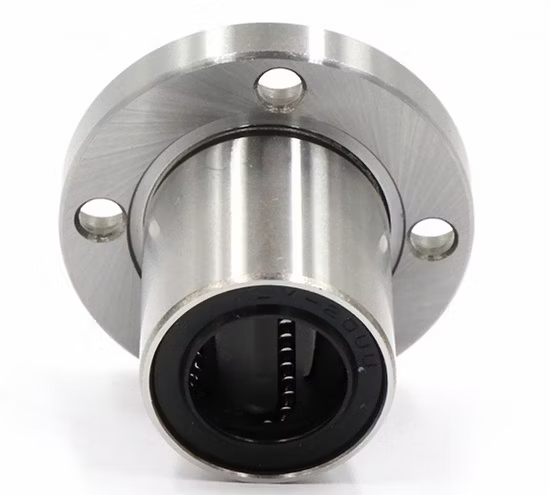
Lmuu Linear Bearing — constructed from bearing steel to deliver high load capacity and wear resistance for continuous linear motion.
Multi-brand authorized coverage — Source Lmuu linear bearings alongside mixed rotary bearings in a single consolidated shipment without juggling multiple vendors.
| Parameter | Value |
|---|---|
| Designation | Lmuu |
| Bearing Type | Linear Bearing |
| Series | LM |
| Shape | Open |
| Flange Shape | Circular |
| Material | Bearing steel, with stainless steel variants available for corrosive environments |
| Cage Material | Nylon |
| Precision Rating | P0, P6, P5, P4, P2 |
| Feature | High Speed, Low Noise |
| Origin | Germany, Japan, Sweden, Malaysia, China |
| HS Code | 8483109000 |
Note: The UU suffix found in related cross-references is an unverified suffix — requires manufacturer catalog confirmation (typically denotes contact seals in linear bearings, but not explicitly defined in standard rotary bearing suffix tables).
| Industry | Typical Applications |
|---|---|
| Automation & Robotics | CNC machine linear guide carriages, 3D printer motion axes |
| Material Handling | Automated storage and retrieval system shuttle guides |
| Packaging Machinery | High-speed linear motion stages for sealing and cutting |
Matching only the base designation while ignoring internal cage material and seal suffixes leads to premature fragmentation under high-frequency reciprocation.
Procurement engineers often assume that securing the correct base number guarantees operational success, yet a significant share of premature failures stems from overlooked internal design variations . When sourcing from an unreliable Lmuu linear bearing supplier, buyers frequently receive units where the cage material fails to match the dynamic demands of the application. In high-speed automation environments, this mismatch causes catastrophic cage disintegration, turning a minor procurement oversight into prolonged line stoppages.
Selecting the right linear motion component requires looking past basic dimensions to evaluate how internal architecture handles continuous reciprocating loads. An experienced Lmuu linear bearing supplier ensures that the chosen configuration aligns perfectly with the specific acceleration profiles and duty cycles of your automated equipment. By verifying the exact cage design and seal arrangement, we prevent the microscopic debris generation that typically plagues poorly matched linear systems.
Linear axes in CNC machines and packaging equipment endure relentless high-frequency reciprocation, generating substantial inertial forces that test the limits of polymer cages. These environments are rarely clean; airborne particulates and coolant mist constantly threaten to infiltrate the carriage, making effective sealing critical without introducing excessive friction. The thermal expansion characteristics of the shaft and housing must also be considered, as friction heat can rapidly degrade standard lubricants and compromise the running accuracy of the system .
The open shape and circular flange configuration of the LM series provide a rigid foundation, but the internal nylon cage is the true determinant of high-speed viability and low-noise operation. While standard bearing steel offers excellent load capacity and wear resistance for general automation, stainless steel variants are available for applications exposed to washdown protocols or mild corrosive agents. Precision ratings spanning from P0 up to P2 allow engineers to dictate the exact running accuracy required, ensuring that high-precision machining or delicate 3D printing axes maintain strict positional tolerances over extended operational lifespans.
Deploying a linear bearing with an incorrect internal clearance or inadequate seal type inevitably results in unplanned downtime and accelerated wear. According to failure analysis frameworks like ISO 15243, contamination and improper internal geometry are primary drivers of surface fatigue and premature seizure in linear systems . Beyond the immediate cost of replacement parts, the collateral damage to precision ground shafts and the resulting production delays represent a massive hidden cost that easily dwarfs the initial procurement savings.
We prevent cross-reference errors by verifying that the flange shape, internal cage material, and seal arrangements perfectly match your equipment requirements, rather than just fulfilling the base designation. Our batch traceability ensures every linear unit is linked back to the manufacturer's production facilities, eliminating the risk of counterfeit parts with soft inner rings. We provide comprehensive cross-brand interchange expertise, allowing you to source exact equivalents from our authorized German, Japanese, or Swedish partners when specific OEM designations face extended lead times. Furthermore, our application-based selection review evaluates your specific load and speed parameters to recommend the optimal precision class and material variant.
To ensure optimal performance and longevity, please provide your specific radial and axial load profiles, operating speeds, and ambient temperature ranges. Sharing the exact OEM equipment designation or installation space constraints allows our engineering team to perform a rigorous cross-reference check and L10 life calculation. Detailing the environmental exposure, such as coolant splash or dust ingress, enables us to recommend the most appropriate seal configuration and material variant for your application.
Q: How can we verify the authenticity of the linear bearings using official brand apps?
A: Every unit we supply includes batch traceability documentation featuring a scannable QR code. By using the respective manufacturer’s official mobile application, procurement and quality teams can instantly verify the production date, factory origin, and authenticity of the bearing steel and nylon cage components, effectively eliminating the risk of installing cloned or counterfeit parts.
Q: What cross-reference parameters must be checked beyond the base model number?
A: Matching the base number is insufficient; engineers must verify the flange shape, internal cage material, and specific seal arrangements. A mismatch in the cage polymer or an overlooked contact seal suffix can lead to thermal binding or early fragmentation under high-frequency reciprocation, which is why our technical review process validates every internal design detail.
Q: How do we select the right precision class for high-speed automation applications?
A: High-speed CNC and automation axes demand tighter running accuracy to prevent vibration and maintain positional tolerance. While standard P0 or P6 classes suffice for general material handling, precision applications require P5, P4, or P2 ratings. We evaluate your specific speed and load parameters to recommend the exact precision class needed to ensure smooth, low-noise operation.
Q: What documentation is provided to prove material compliance and country of origin?
A: We supply a comprehensive documentation package that includes a Certificate of Conformity, a material test report verifying the bearing steel grade, and a dimensional inspection report. Additionally, country-of-origin documentation is provided to satisfy customs requirements and ensure compliance with your project's specific sourcing and quality mandates.
Our 5-step process ensures every order is engineered, validated, and supported for optimal performance.
Technical needs assessment
Custom specifications
Free samples for $50k+
Pre-shipment inspection
On-site & predictive
Our certified engineers respond within 24 hours with detailed technical specifications, pricing, and lead time information.