01
Consultation
Technical needs assessment



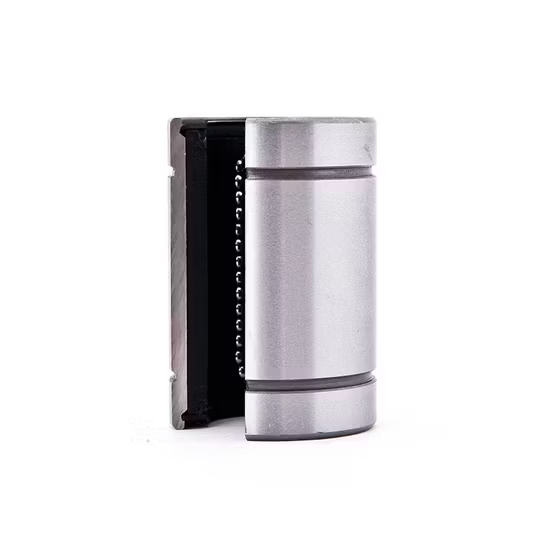

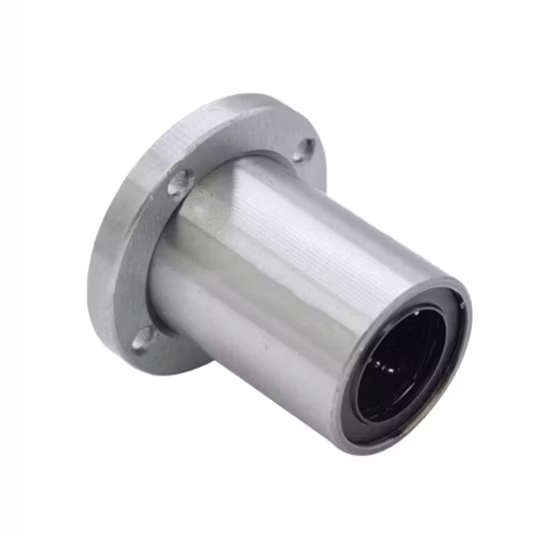
Lm35-Aj Linear Bearing — open shape design featuring bearing steel construction and a nylon cage optimized for high-speed and high-temperature environments.
Cross-Reference Alignment Verified — We validate base designation, precision class, and cage material to prevent thermal binding in linear modules.
| Parameter | Value |
|---|---|
| Designation | Lm35-Aj |
| Bearing Type | Linear Bearing |
| Series | LM |
| Shape | Open |
| Flange Shape | Circular |
| Material | Bearing Steel |
| Cage Material | Nylon |
| Precision Class | P0, P6, P5, P4, P2 |
| Feature | High Temperature, High Speed |
| Origin | Germany/Japan/Sweden/Malaysia/China |
Note: The AJ suffix remains an unverified designation requiring manufacturer catalog confirmation before final procurement.
| Industry | Typical Applications |
|---|---|
| Machine Tool Manufacturing | High-speed spindle linear guideways |
| Robotics | Multi-axis articulated arm linear slides |
| Material Handling | Automated storage and retrieval system carriages |
Visual similarity never guarantees internal geometric equivalence.
In automated assembly environments, procurement teams often source replacements based solely on the base number, overlooking critical internal design variations. I have investigated numerous line stoppages in Dongguan manufacturing facilities where a visually identical substitute was installed, only to cause severe recirculation jamming within days. The root cause usually traces back to mismatched internal clearances or incorrect cage geometries that fail under continuous high-speed cycling . When the internal design deviates from the original equipment requirement, the resulting friction generates excess heat, ultimately destroying the linear module.
Selecting the correct component for automated machinery requires looking past the outer dimensions. Our technical review process ensures that every Lm35-Aj linear bearing supplied matches the exact operational demands of your specific linear module. By verifying the open shape configuration and nylon cage design against your machine's speed and load profiles, we eliminate the guesswork that leads to premature wear. This application-based selection review guarantees that the cross-brand interchange aligns perfectly with your automation requirements.
Linear motion systems in robotics and machine tools operate under intense kinematic stress. High-speed traverses generate significant friction heat, which directly impacts the internal clearance of the bearing steel components. If the thermal expansion is not properly accommodated by the selected precision class and cage material, the rolling elements can bind within the raceway. Furthermore, open-type designs rely heavily on the external housing for structural rigidity, meaning any misalignment during installation transfers directly into uneven load distribution . Proper lubrication management is equally critical, as high-speed operation demands low-viscosity fluids to minimize churning resistance while preventing contaminant ingress.
The open shape design of this series is specifically engineered for adjustable clearance, allowing the housing to clamp down and precisely set the preload against the shaft. This configuration is vital for eliminating play in precision equipment. The nylon cage material is selected for its low mass and excellent sliding properties, which significantly reduce noise and friction during high-speed reciprocating movements. Compared to metallic retainers, the polymer construction offers superior damping characteristics, ensuring smooth ball recirculation even under rapid acceleration. The availability of multiple precision classes, from P0 up to P2, allows engineers to match the exact running accuracy required for delicate machine tool spindles or heavy-duty material handling carriages.
Installing a component with an incorrect cage material or mismatched precision grade rarely causes immediate catastrophic failure; instead, it initiates a slow degradation process. The resulting micro-vibrations accelerate raceway fatigue and compromise the surface finish of the guided shaft. According to failure analysis frameworks, this type of progressive degradation leads to unplanned downtime that far exceeds the initial cost savings of a cheaper substitute . In high-volume production, a single jammed carriage halts the entire downstream process, voiding equipment warranties and causing severe delivery delays.
Sourcing mixed-brand requirements from a single authorized channel eliminates the coordination delays typical of fragmented supply chains. We specifically target the high-risk areas of linear motion procurement, such as verifying that the nylon cage geometry matches the original equipment manufacturer's specification. Our batch traceability protocols ensure that every unit can be tracked back to the manufacturer's production facilities, providing absolute certainty regarding the metallurgical origin. Furthermore, our cross-reference alignment checks prevent the common error of supplying a closed-type bearing when an open-type clamping design is strictly required by the housing.
To ensure optimal performance and longevity, please provide the specific radial and axial load profiles, maximum traverse speeds, and operating temperature ranges of your linear module. Sharing the original equipment manufacturer's part number allows our engineering team to perform a precise cross-reference verification, ensuring the internal geometry and precision class align perfectly with your application. This technical复核 prevents costly installation errors and guarantees seamless integration into your automated systems.
Q: How do we verify the authenticity of the linear bearings upon delivery?
A: Every unit is supplied with batch traceability documentation and a unique identification code. Procurement engineers can scan this code using the manufacturer's official mobile application to instantly verify the production origin and authenticity. This process eliminates the risk of installing counterfeit components with substandard bearing steel or poorly molded nylon cages that cause rapid recirculation failure.
Q: Why is it critical to align the precision class during cross-referencing?
A: Substituting a lower precision class in high-speed machine tool spindles introduces microscopic runout that amplifies vibration and degrades surface finish. Our technical review ensures the selected precision rating matches the original equipment's thermal and kinematic demands. This prevents the thermal binding and premature raceway fatigue commonly seen when generic replacements ignore strict tolerance requirements.
Q: What are the selection boundaries between different precision classes for linear motion?
A: Standard P0 or P6 classes generally suffice for basic material handling carriages where extreme positional accuracy is not mandatory. Conversely, P4 and P2 grades are strictly reserved for precision equipment and machine tool spindles requiring minimal runout and ultra-smooth reciprocation. Selecting the correct tier ensures the nylon cage and bearing steel interact optimally under the specific load and speed conditions.
Q: How should we choose the right cage material for high-speed automation?
A: High-speed reciprocating applications demand low-mass retainers to minimize inertia and friction during rapid acceleration. Nylon cages excel in these environments by providing excellent sliding properties and noise dampening compared to metallic alternatives. However, if the operating environment involves sustained elevated temperatures beyond the polymer's thermal limits, alternative retainer materials must be evaluated to prevent structural degradation.
Q: What mounting practices are recommended for open-type linear bearings?
A: Open-type designs rely on the housing clamp to set the final clearance against the shaft. It is crucial to ensure the housing bore is machined to precise tolerances and free of debris before installation. Applying uniform clamping force prevents distortion of the bearing steel outer ring, ensuring the rolling elements circulate smoothly without binding or generating excess heat during high-speed operation.
Our 5-step process ensures every order is engineered, validated, and supported for optimal performance.
Technical needs assessment
Custom specifications
Free samples for $50k+
Pre-shipment inspection
On-site & predictive
Our certified engineers respond within 24 hours with detailed technical specifications, pricing, and lead time information.