01
Consultation
Technical needs assessment

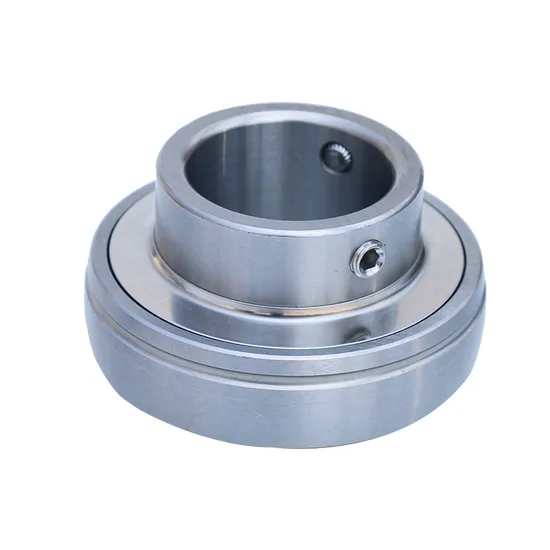
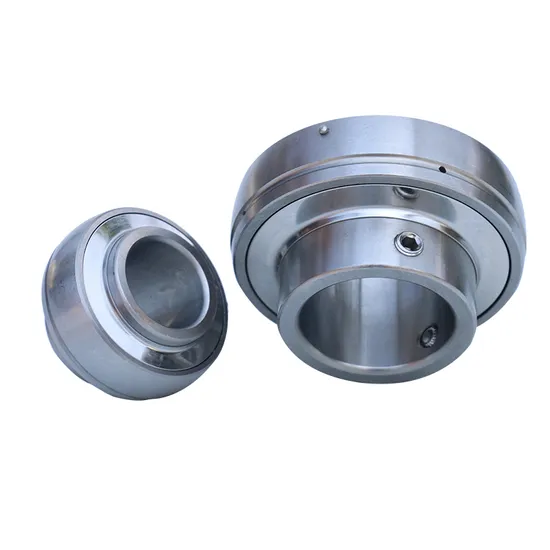
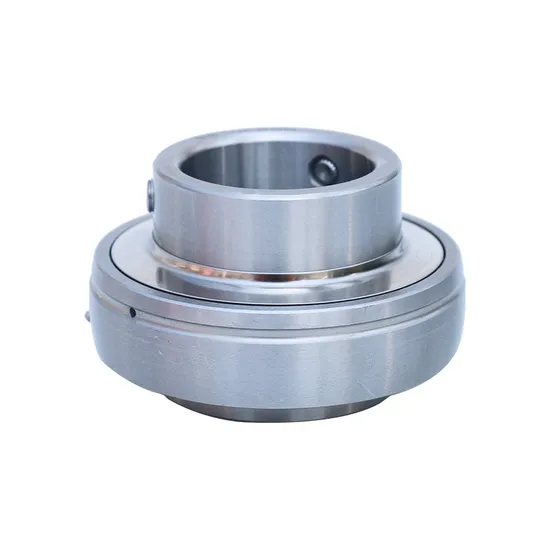
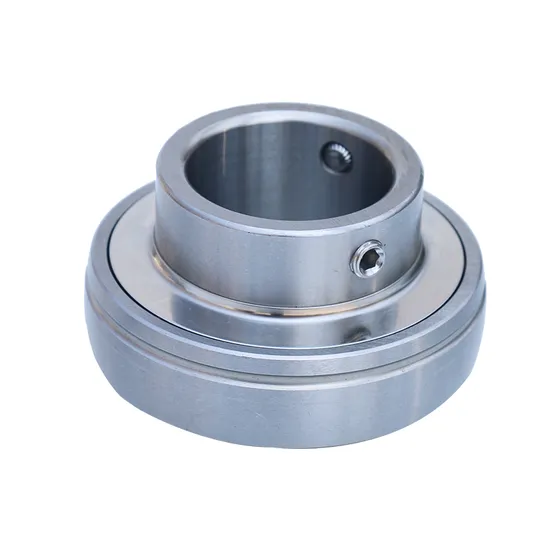
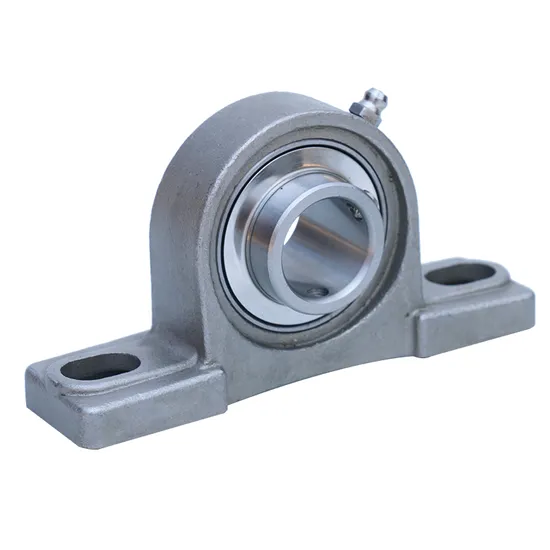
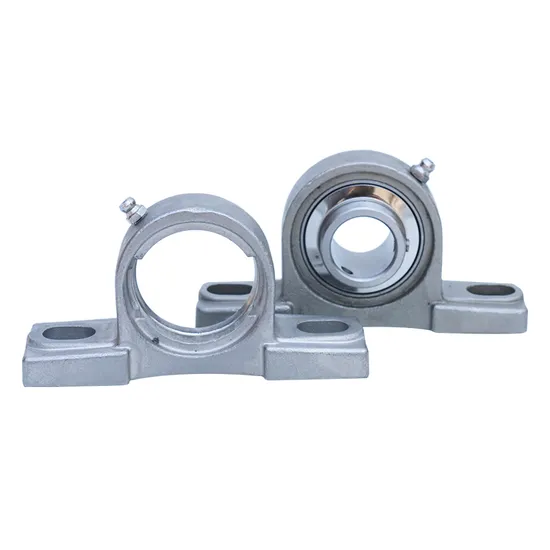
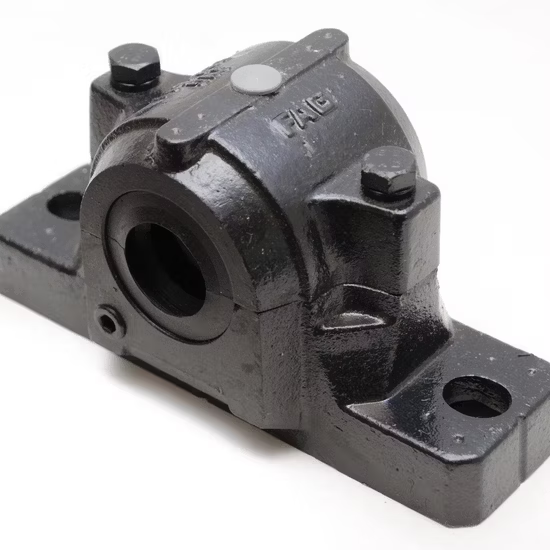
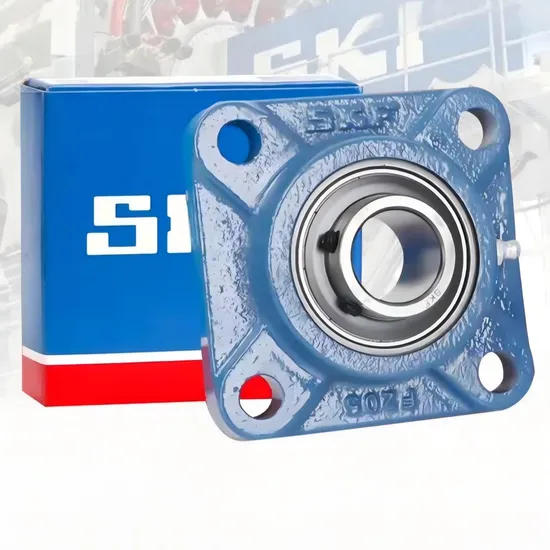
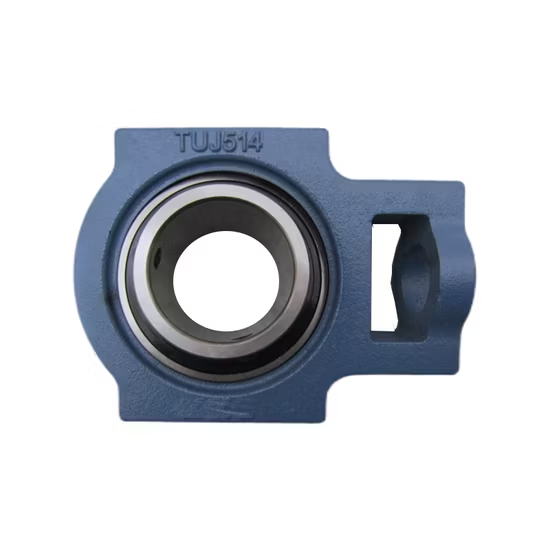
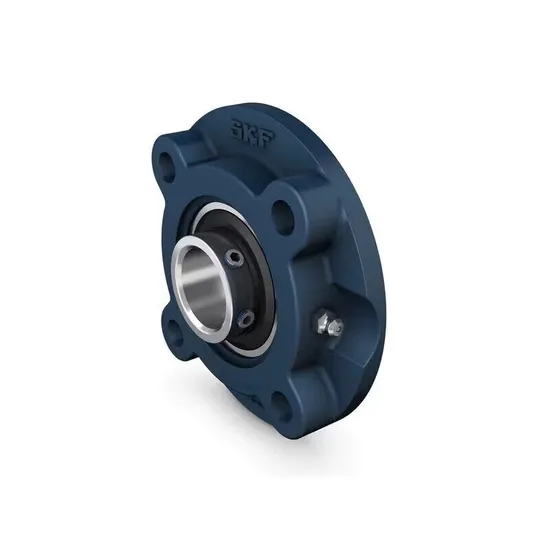
UC201-8 UC202-9 UC202-10 UC203-11 UC204-12 UC204-13 Inch Size Insert Ball Bearings and Pillow Blocks — featuring deep groove raceways and cast iron P-type housings. The UC suffix indicates secure grub screw locking, while numerical suffixes denote precise inch bore fractions.
Full Batch Traceability — Every UC201-8 through UC204-13 unit ships with manufacturer lot documentation and verifiable origin records.
| Parameter | Value |
|---|---|
| Designation | UC201-8 UC202-9 UC202-10 UC203-11 UC204-12 UC204-13 |
| Product Type | Insert Ball Bearing / Pillow Block Bearing |
| Bore Type | Inch Size |
| Locking Mechanism | Grub Screw (UC series standard) |
| Rows Number | Single |
| Raceway | Deep Groove Raceway |
| Housing Material | Cast Iron (P-type block) |
| Feature Options | Corrosion resistant, high temperature, and high speed variants available |
| Origin | Germany / Japan / Sweden / Malaysia / China |
| Industry | Typical Applications |
|---|---|
| Agricultural Machinery | Harvester drive shafts, tractor PTO joints, planter metering units |
| Conveyor Systems | Belt return idlers, transfer point rollers, sortation diverters |
| Textile Machines | Yarn guide rollers, spinning frame spindles, loom let-off mechanisms |
| Material Handling | Bucket elevator tail pulleys, screw conveyor hanger bearings |
Matching the inch bore fraction is only the first step in preventing premature seizure.
Sourcing an inch size insert ball bearing UC200 series pillow block often involves matching the base designation while overlooking critical internal variations. I have seen UC204-12 units lock up completely in high-dust agricultural environments simply because the seal suffix was ignored during replacement. When procurement focuses solely on the inch bore size, the resulting mismatch in sealing friction or internal clearance leads to thermal binding under continuous operation .
Selecting the correct inch size insert ball bearing UC200 series pillow block requires aligning the internal geometry with the specific shock loads and contamination levels of the equipment. Our technical review process cross-references the exact sealing configuration and cage material against your operational parameters, ensuring the replacement unit handles the specific radial impacts and debris exposure typical in field machinery.
Equipment operating in agricultural and material handling environments faces severe particulate ingress and wide temperature fluctuations. Standard contact seals might generate excessive friction heat at higher rotational speeds, while non-contact shields fail to block fine crop dust or cement particulates. Furthermore, thermal expansion during continuous operation demands appropriate internal clearance to prevent the rolling elements from binding within the deep groove raceway. Selecting the correct lubrication interval and seal type is critical to maintaining operational stability .
The numerical suffixes in this series—ranging from -8 to -13—represent specific inch bore diameter fractions, such as 1/2" or 5/8", which must perfectly match the imperial shafting. The UC prefix designates an insert bearing utilizing a grub screw locking mechanism, providing secure axial fixation on the shaft without requiring complex adapter sleeves. Paired with a cast iron P-type housing, this configuration delivers substantial structural rigidity and dampens vibration effectively, making it highly suitable for the uneven load profiles encountered in conveyor systems and textile machinery.
Installing a unit with incorrect internal clearance or inadequate sealing leads to unplanned downtime and catastrophic damage to the surrounding shaft and housing. According to ISO 281 frameworks, contamination and improper clearance drastically reduce the calculated L10 life, resulting in premature failure that voids equipment warranties. The financial impact extends far beyond the replacement part cost, encompassing lost production hours and secondary mechanical repairs .
We provide authorized distribution across all major international brands, allowing you to consolidate mixed-brand requirements into a single shipment. Our cross-reference process strictly aligns the inch bore fraction, seal type, and internal clearance, preventing the common error of matching only the base number. Every shipment includes batch traceability to the manufacturer, supported by QR verification through official brand applications to eliminate the risk of counterfeit parts with soft inner rings.
To ensure precise selection and cross-referencing, please provide the specific radial and axial loads, operating speeds, and ambient temperature ranges of your application. Sharing the exact OEM equipment number or the dimensions of the existing shaft and housing allows our engineering team to verify the correct inch bore fraction and sealing configuration for your operational environment.
Q: What is the core difference between these inch bore fractions and standard metric UC bearings?
A: The numerical suffixes like -8 or -12 denote specific inch fractions for the inner diameter, designed to fit imperial shafting without adapters. While the outer dimensions and deep groove raceway geometry often mirror metric equivalents, the inner ring width and grub screw positioning are engineered specifically for inch-based shaft tolerances and locking requirements.
Q: How should I select the right seal type for high-dust agricultural environments?
A: In high-dust conditions, selecting a seal that balances contamination exclusion with friction management is critical. We evaluate the specific particulate size and rotational speed to recommend the appropriate sealing variant, ensuring fine crop dust is blocked without generating excessive heat that could degrade the lubricant and cause thermal binding.
Q: What internal parameters must be verified during cross-brand replacement?
A: Beyond matching the base designation and inch bore fraction, it is essential to verify the internal clearance class, cage material, and specific seal configuration. Overlooking these internal design elements during cross-referencing frequently leads to thermal expansion issues or premature cage failure under the specific load and speed conditions of the equipment.
Q: How does the cast iron P-type housing compare to pressed steel alternatives?
A: The cast iron P-type housing offers substantially higher structural rigidity and superior vibration dampening compared to pressed steel variants. This makes it the preferred choice for applications involving heavy shock loads or continuous operation in agricultural and material handling equipment, where housing deformation could compromise the bearing alignment.
Q: How can I verify the authenticity and traceability of the received units?
A: Every unit is supplied with batch traceability documentation and a unique QR code. You can scan this code using the manufacturer's official mobile application to instantly verify the product's authenticity, confirm the origin, and access the specific material and dimensional inspection reports associated with that production lot.
Our 5-step process ensures every order is engineered, validated, and supported for optimal performance.
Technical needs assessment
Custom specifications
Free samples for $50k+
Pre-shipment inspection
On-site & predictive
Our certified engineers respond within 24 hours with detailed technical specifications, pricing, and lead time information.