01
Consultation
Technical needs assessment

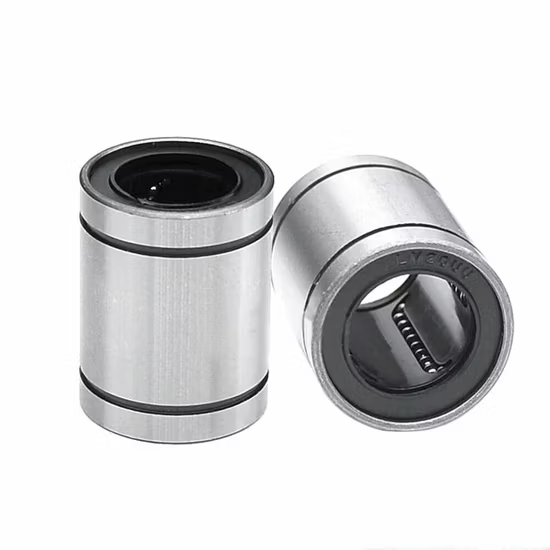
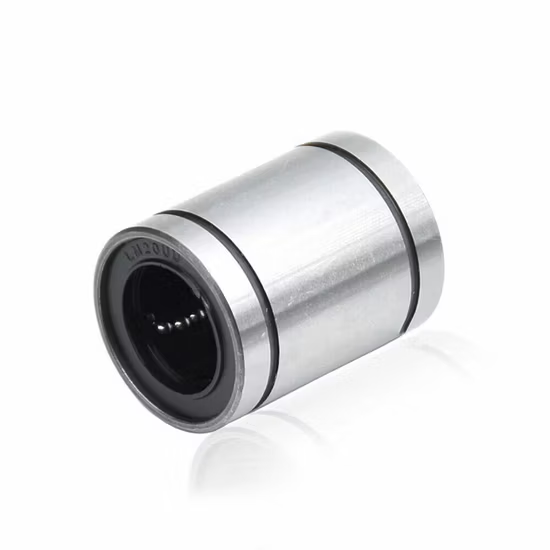
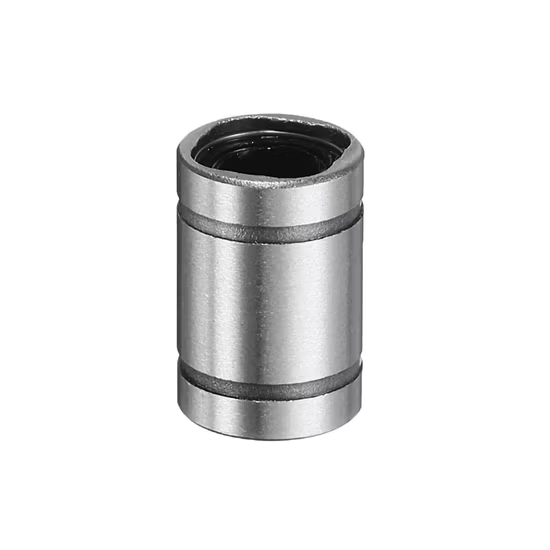
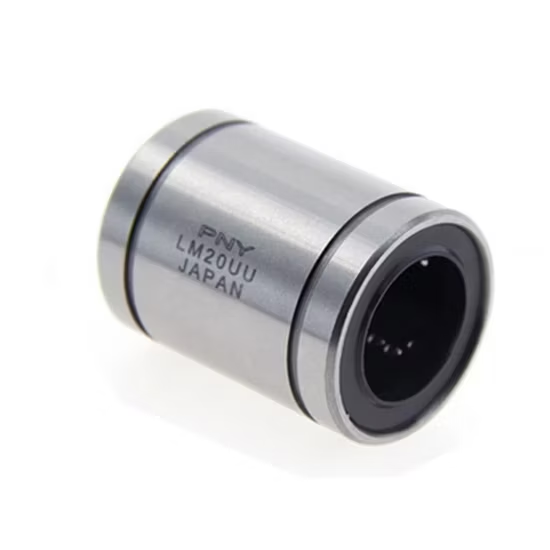


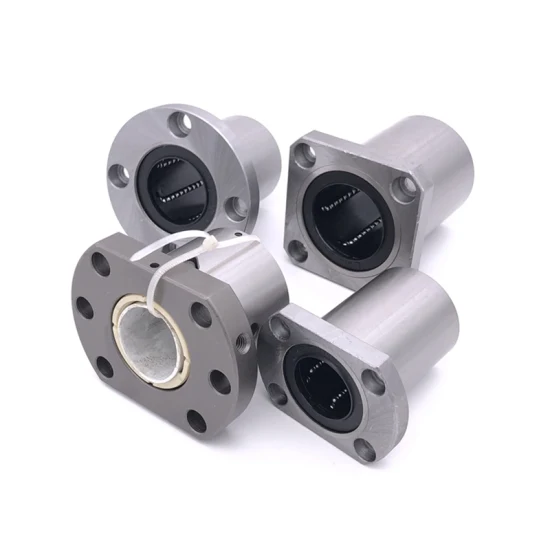
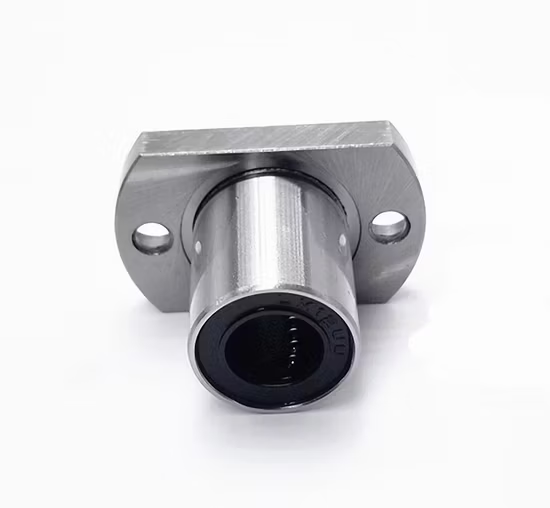
LM5UU LM6UU LM8UU LM10UU Linear Bearing — constructed from bearing steel with durable nylon cages to ensure low-noise, high-speed performance in automated machinery.
Cross-Reference Alignment Verified — Every LM5UU LM6UU LM8UU LM10UU linear bearing is matched on base designation, internal clearance, and cage material to prevent thermal binding in high-speed automation.
| Parameter | Value |
|---|---|
| Designation | LM5UU LM6UU LM8UU LM10UU |
| Product Type | Linear Bearing |
| Series | LM |
| Shape | Open |
| Flange Shape | Circular |
| Material | Bearing steel (stainless steel variants available) |
| Cage Material | Nylon |
| Precision Rating | P0, P6, P5, P4, P2 |
| Feature | High Speed, High Temperature, Low Voice |
| Origin | Germany, Japan, Sweden, Malaysia, China |
Note: The LM and UU suffixes are unverified and require manufacturer catalog confirmation for specific internal design codes.
| Industry | Typical Applications |
|---|---|
| Robotics and Automation | Automated assembly linear guides and robotic arm actuators |
| CNC and Machine Tools | High-speed spindle feed mechanisms and precision cutting axes |
| 3D Printing and Packaging | Print head traverse rails and high-cycle packaging actuators |
| Material Handling | Automated storage retrieval systems and conveyor diverters |
Matching the base designation is only the first step in preventing carriage seizure.
Procurement engineers often source replacements based solely on the outer dimensions, overlooking critical internal variations. When an open-shape carriage is installed in a dusty CNC environment without proper external sealing, particulate ingress rapidly scores the shaft. Similarly, specifying a standard precision class for a high-speed robotic arm ignores the dynamic runout requirements, leading to noticeable vibration and premature track wear. These cross-reference errors cause a significant share of unplanned downtime in automated facilities .
Selecting the correct LM5UU LM6UU LM8UU LM10UU linear bearing requires aligning the carriage internals with the specific motion profile of the equipment. High-speed traverse axes demand low-friction interfaces to maintain positioning accuracy without generating excess heat. By evaluating the load distribution and travel length, engineering teams can specify the appropriate precision class and cage design to ensure smooth, quiet operation throughout the machine's lifecycle.
Linear motion systems in automated assembly*d directional changes. High-speed reciprocating motion generates friction heat, which can cause thermal expansion and bind the carriage if the internal clearance is not correctly specified. In environments with coolant mist or fine particulates, the open shape requires robust external wipers to prevent contamination. Proper lubrication intervals must also be established based on the travel distance and operating temperature to maintain the low-voice characteristic of the nylon cage .
The internal architecture dictates the performance ceiling of the linear system. Nylon cages are utilized to dampen vibration and reduce acoustic noise during high-speed travel, though they have thermal limits compared to steel variants. Precision ratings ranging from P0 to P2 define the dimensional tolerances and running accuracy; selecting a lower precision class for a machine tool spindle feed introduces unacceptable backlash. The bearing steel construction provides high load capacity, while stainless steel options are available for applications exposed to washdowns or corrosive atmospheres.
Installing a dimensionally correct but internally mismatched carriage leads to catastrophic damage under continuous operation. A standard clearance unit subjected to high-speed friction will thermally expand and seize the shaft, destroying the automation module. Furthermore, using a brittle, non-specification cage material in high-frequency reciprocating applications results in sudden fragmentation, halting the entire production line. These failures result in severe warranty voidance and extensive secondary damage to the linear guides .
Our distribution network ensures that every LM5UU LM6UU LM8UU LM10UU linear bearing is sourced through authorized channels with complete batch traceability. We prevent cross-reference errors by verifying that the shape, flange configuration, and internal cage material exactly match the OEM requirements, rather than just the base number. Our technical team reviews application parameters to confirm that the selected precision class and material options align with the specific load and speed conditions. This rigorous validation eliminates the risk of installing counterfeit units with soft inner rings that fail under dynamic loads.
To ensure optimal performance, provide the specific radial and moment loads, travel speed, and operating temperature for your application. Supplying the OEM equipment number allows our technical team to perform a precise cross-reference check, verifying that the internal clearance and cage material match the original design. This engineering review guarantees that the selected configuration will withstand the demands of your automated machinery.
Q: How can I verify the authenticity of these linear bearings?
A: Authenticity is confirmed through official brand applications using QR codes on the packaging. We provide full batch traceability and a Certificate of Conformity, ensuring the bearing steel and nylon cage materials meet original manufacturer specifications and protecting your automation lines from counterfeit components.
Q: Why is base designation not enough for cross-referencing?
A: Base numbers only define outer dimensions. A correct replacement must also match the open shape, flange type, and internal cage material. Overlooking these details can lead to thermal binding or cage fragmentation in high-speed applications, which is why we verify all suffixes and structural variants.
Q: How do I choose the right precision rating?
A: Precision classes from P0 to P2 dictate dimensional tolerance and running accuracy. Standard P0 is suitable for general material handling, while high-speed CNC feeds and robotics require P4 or P2 to minimize backlash and vibration. We review your equipment's positioning requirements to recommend the exact grade.
Q: What are the limits of the nylon cage in these carriages?
A: Nylon cages provide excellent low-voice operation and vibration damping at high speeds. However, they have thermal limits. If your application involves elevated temperatures beyond the polymer's threshold or requires frequent high-temperature washdowns, we can source steel cage variants to ensure structural integrity.
Q: What mounting precautions prevent premature failure?
A: The open shape requires careful shaft alignment during insertion to avoid damaging the nylon retainer. Since the design lacks internal seals, external wipers and proper initial lubrication are critical. We provide mounting guidelines to prevent particulate ingress and ensure smooth reciprocating motion.
Our 5-step process ensures every order is engineered, validated, and supported for optimal performance.
Technical needs assessment
Custom specifications
Free samples for $50k+
Pre-shipment inspection
On-site & predictive
Our certified engineers respond within 24 hours with detailed technical specifications, pricing, and lead time information.