01
Consultation
Technical needs assessment

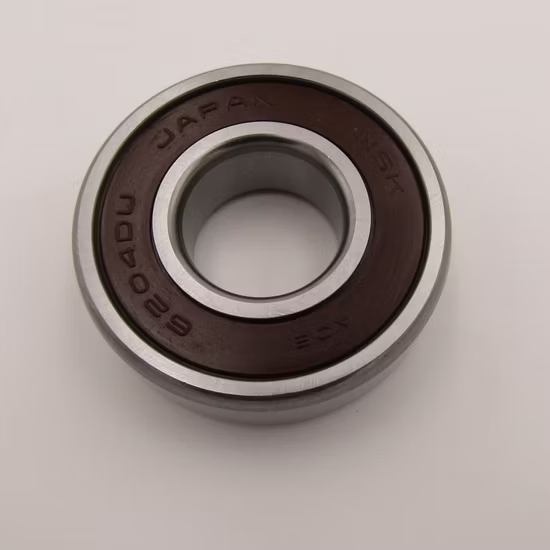
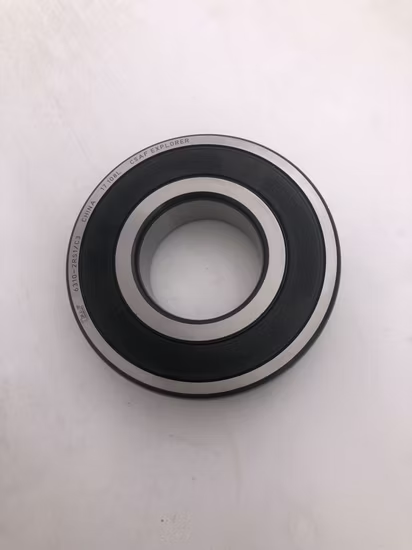
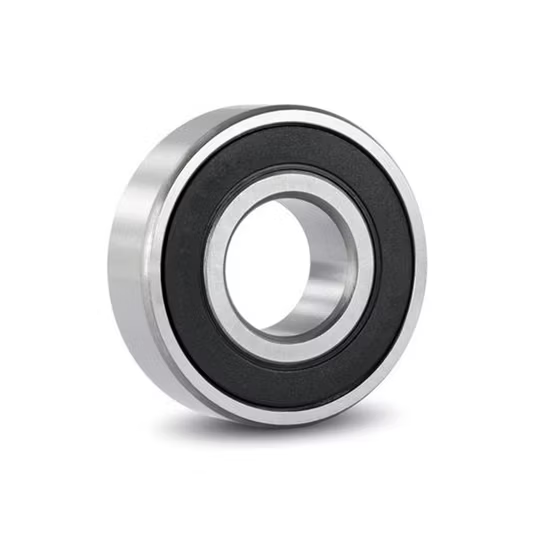


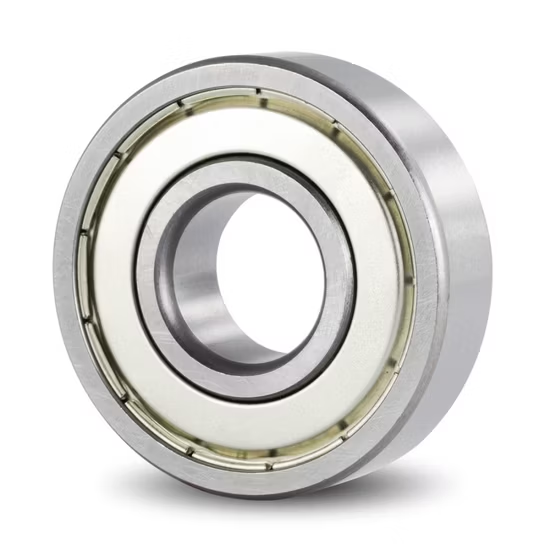
NTN NACHI NSK Koyo 6211 6212 Zz 2RS Deep Groove Ball Bearing
Multi-Brand Authorized Supply — Consolidate your NTN, NSK, NACHI, and Koyo requirements into a single verified shipment, eliminating the friction of coordinating multiple vendors for mixed-brand maintenance schedules.
| Parameter | Value |
|---|---|
| Designation | NTN NACHI NSK Koyo 6211 6212 Zz 2RS |
| Bearing Type | Deep Groove Ball Bearing |
| Material | Chrome Steel |
| Seal or Shield Type | Open, Zz (Double steel shields), 2RS (Double rubber contact seals) |
| Customization | Available in specific clearance and precision classes upon request |
| Industry | Typical Applications |
|---|---|
| Printing & Packaging | Printing press impression cylinders and high-speed folder gluers |
| Material Handling | Conveyor drive rollers and belt pulley shafts |
| General Manufacturing | Industrial gearbox intermediate shafts and electric motor rotors |
| Fluid Management | Centrifugal pump impeller shafts and circulation systems |
Matching the base number is only the first step; ignoring the seal suffix guarantees premature thermal binding in high-speed applications.
Procurement teams frequently approve orders based solely on the 6211 or 6212 designation, overlooking the critical distinction between Zz shields and 2RS contact seals. In printing press environments, this oversight leads to catastrophic friction buildup when rubber seals are forced to operate beyond their thermal limits. I have personally inspected seized press spindles where the seal lip hardened and leaked grease simply because a shielded variant was required but a sealed one was installed. These cross-reference errors bypass standard visual inspections, leaving maintenance crews to deal with unplanned downtime and damaged shafts.
Selecting the correct NTN NACHI NSK Koyo 6211 6212 deep groove ball bearing requires evaluating the specific contamination and friction profile of the equipment. Our technical review process ensures that the chosen suffix aligns perfectly with the operational speed and environmental exposure, preventing the friction-induced failures common in mismatched printing press and motor applications.
The choice between open, Zz, and 2RS configurations dictates the thermal ceiling and contamination defense of the assembly. Steel shields provide non-contact protection ideal for high-speed electric motors where friction must be minimized, while rubber contact seals offer superior defense against dust and moisture in conveyors and pumps. However, the contact friction of 2RS seals generates internal heat, which can degrade the lubricant and harden the sealing lip if the rotational speed exceeds the design threshold. Proper selection balances the need for particle exclusion against the risk of internal thermal runaway.
The Zz suffix denotes double steel shields that maintain a narrow clearance with the inner ring, effectively blocking large debris without introducing rotational drag. This makes it the mandatory choice for high-RPM printing press parts where thermal stability is paramount. Conversely, the 2RS suffix indicates double rubber contact seals that physically wipe the inner ring, providing a tight barrier against fine particulate ingress and moisture for gearboxes and pumps operating in harsher conditions. Understanding this mechanical distinction prevents the accidental installation of high-drag seals in high-speed spindles, a mistake that rapidly destroys the lubrication film.
Installing a 2RS sealed bearing in a high-speed application meant for a Zz shielded variant results in rapid lip degradation and lubricant starvation. According to failure analysis frameworks outlined in ISO 281, this thermal degradation drastically reduces the calculated L10 life, leading to sudden spindle seizure and catastrophic damage to the surrounding housing. Such misapplications void equipment warranties and force emergency maintenance shutdowns that disrupt entire production lines.
Our distribution network guarantees that every NTN, NACHI, NSK, and Koyo bearing shipped matches the exact suffix requested, eliminating the risk of receiving base-number equivalents with incorrect internal clearances or seal types. We verify the specific Zz or 2RS configuration against the manufacturer's production records, ensuring that the physical product matches the technical requirements of your printing presses and motors. This rigorous cross-referencing prevents the field failures caused by soft inner rings and cloned packaging common in the counterfeit market.
To ensure precise selection and cross-reference validation, please provide the exact radial and axial loads, operational speeds, and ambient temperatures of your application. Sharing the specific OEM equipment numbers or existing housing dimensions allows our engineering team to verify the required clearance class and confirm whether a Zz or 2RS configuration is optimal. This technical data enables us to perform a comprehensive L10 life calculation and guarantee compatibility with your machinery.
Q: How do I verify the authenticity of these bearings using official apps?
A: Simply scan the QR code printed on the individual box using the official app provided by NTN, NSK, NACHI, or Koyo. The app cross-references the unique batch and lot numbers against the manufacturer's secure database, instantly confirming the product's origin and verifying that the packaging has not been tampered with or cloned by counterfeiters.
Q: What cross-reference checks are needed beyond the base 6211/6212 number?
A: You must verify the internal clearance class, precision grade, and specific seal or shield suffix. A base number match is insufficient if the equipment requires a C3 clearance for thermal expansion but receives a standard CN, or if a high-speed spindle receives a high-friction 2RS seal instead of the required low-drag Zz shield.
Q: How do I choose between Open, Zz, and 2RS for printing press applications?
A: Printing press spindles typically operate at high speeds where friction must be minimized, making Zz steel shields the standard choice to prevent thermal binding. Open bearings are used only when external, continuous oil lubrication is present, while 2RS rubber seals are generally avoided in these high-speed zones due to the excessive heat generated by lip contact.
Q: What is the difference between standard CN clearance and C3?
A: Standard CN clearance is designed for normal operating temperatures and standard fits. C3 clearance provides greater internal radial play, which is essential when the inner ring is mounted with a tight interference fit or when the application generates significant heat, preventing the thermal expansion of the shaft from eliminating the internal clearance and causing the bearing to seize.
Our 5-step process ensures every order is engineered, validated, and supported for optimal performance.
Technical needs assessment
Custom specifications
Free samples for $50k+
Pre-shipment inspection
On-site & predictive
Our certified engineers respond within 24 hours with detailed technical specifications, pricing, and lead time information.