01
Consultation
Technical needs assessment

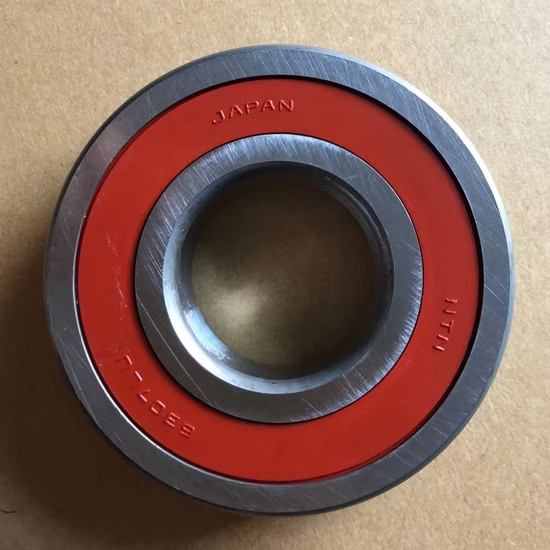
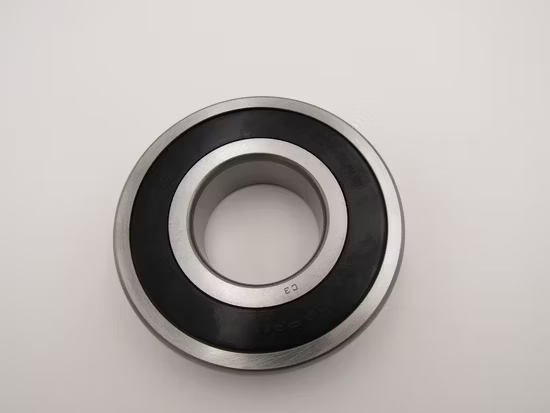
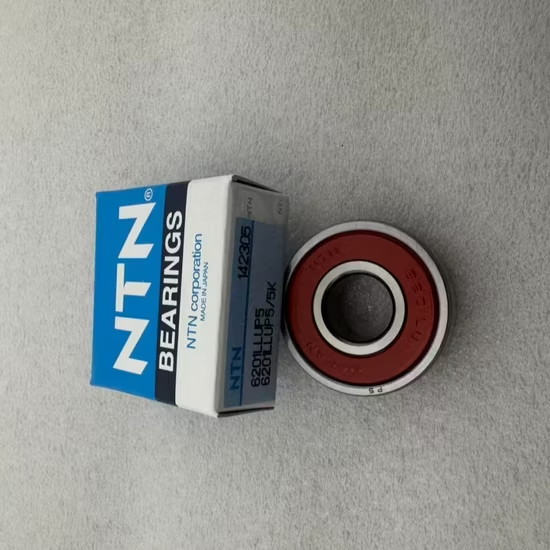

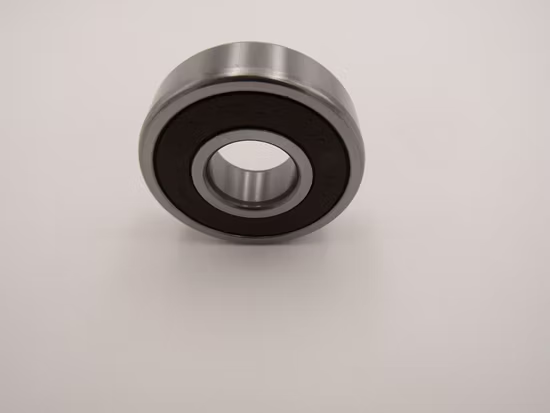
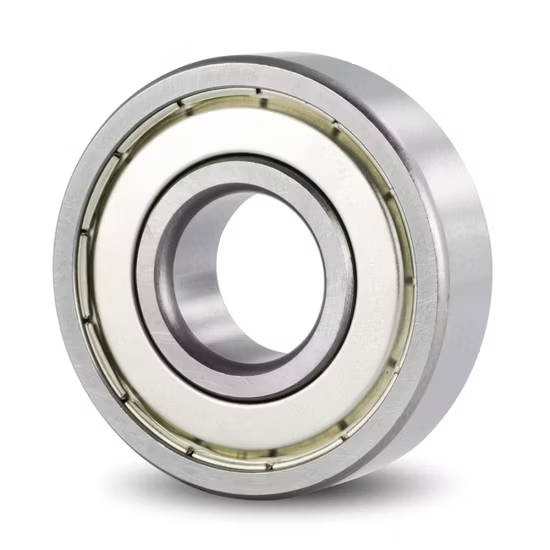
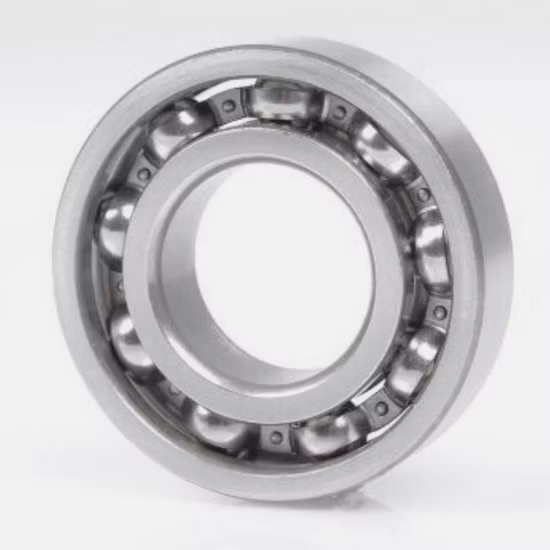
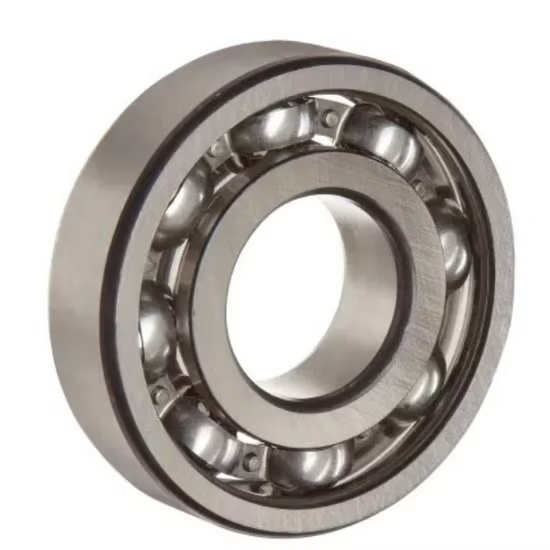
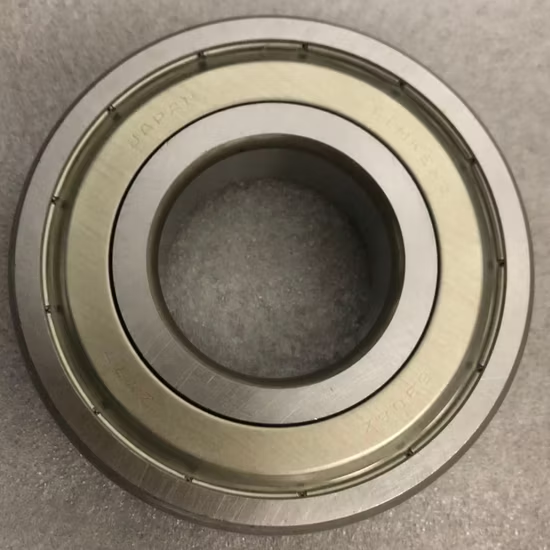
NTN 6204 Llu Deep Groove Ball Bearing — available in open, rubber-sealed, and iron-shielded configurations across Z1V1 to Z4V4 noise and vibration grades for electric motor, gearbox, and general MRO applications.
Multi-Brand Authorized Coverage — Consolidate your mixed-brand MRO requirements into a single shipment with full batch traceability across all major international bearing portfolios.
| Parameter | Value |
|---|---|
| Designation | NTN 6204 Llu |
| Bearing Type | Deep Groove Ball Bearing |
| Bore Diameter (d) | 20 mm |
| Outside Diameter (D) | 47 mm |
| Width (B) | 14 mm |
| Dynamic Load Rating (C) | 12.8 kN |
| Static Load Rating (C₀) | 6.65 kN |
| Limiting Speed (Grease) | 10,000 rpm |
| Seal Type | Contact Rubber Seals |
| Quality Levels Available | Z1V1, Z2V2, Z3V3, Z4V4 |
Note: The "Llu" suffix is an unverified designation requiring manufacturer catalog confirmation prior to final procurement.
| Industry | Typical Applications |
|---|---|
| Electric Motors | Rotor shaft support in high-moisture cooling fan motors |
| Industrial Gearboxes | Secondary shaft sealing in agricultural drive gearboxes |
| General MRO | Conveyor roller bearings in food processing washdown zones |
Standard metal shields fail rapidly when exposed to pressurized washdowns or high-humidity environments.
Procurement teams frequently approve substitute bearings based solely on the base 6204 dimension set, overlooking the critical sealing arrangement. I have inspected countless failed units where a basic open or shielded variant was installed in a damp conveyor system, leading to severe internal corrosion and cage seizure within weeks . Securing the correct NTN 6204 Llu deep groove ball bearing ensures the contact seal lips maintain a tight barrier against water infiltration, preventing catastrophic rust jacking and unplanned line stoppages.
Selecting the right sealing configuration dictates the operational lifespan of the component in contaminated settings. The NTN 6204 Llu deep groove ball bearing utilizes a multi-lip synthetic rubber contact seal that physically wipes the inner ring surface. This specific geometry is engineered to block fine particulate matter and liquid ingress far more effectively than non-contact labyrinth shields, making it the mandatory choice for MRO teams managing equipment in harsh, wet, or heavily dusted processing zones.
Operating a contact-sealed bearing introduces specific physical constraints that maintenance engineers must calculate. The constant friction between the rubber sealing lip and the rotating inner ring generates localized heat, which effectively lowers the maximum permissible rotational speed compared to open or shielded variants. Furthermore, if the equipment experiences significant thermal cycling, the internal clearance must be carefully evaluated; a standard CN clearance might close up entirely under thermal expansion, causing the rolling elements to skid and prematurely degrade the raceway .
The specific suffix arrangement defines the exact environmental protection level of the bearing. While the base number identifies the 20x47x14 mm physical envelope, the suffix confirms the double-sided contact rubber seal design, which is entirely different from iron shields or single-sided seals. Additionally, the availability of varied noise and vibration grades, from Z1V1 up to Z4V4, allows technical buyers to specify the precise running smoothness required. Installing a standard grade in a precision spindle or a high-speed electric motor will result in unacceptable acoustic noise and accelerated fatigue due to microscopic vibration harmonics.
Accepting a "close enough" substitute without verifying the exact seal type leads to severe operational penalties. When a non-contact shield is used in place of a required contact seal, moisture bypasses the barrier, washing out the factory grease and causing rapid spalling. This triggers a cascade of secondary failures, including shaft scoring and housing damage, ultimately voiding equipment warranties and forcing expensive emergency overhauls .
Our procurement process eliminates the guesswork that plagues standard catalog ordering. We do not just match the base 6204 number; our engineering team actively verifies the suffix, clearance, and seal material against your specific OEM equipment requirements. Because we hold authorized distribution rights across all major global brands, we can seamlessly cross-reference and supply the exact NTN 6204 Llu deep groove ball bearing or provide a dimensionally and functionally identical alternative from SKF or FAG if lead times demand it. Every shipment is backed by strict batch traceability, ensuring you receive genuine components that meet the original equipment manufacturer's exact metallurgical and dimensional standards.
To ensure the selected component perfectly matches your operational demands, please provide the specific radial and axial loads, operating speeds, and ambient temperature ranges. Sharing the exact OEM equipment model number allows our technical team to perform a comprehensive cross-reference check, verifying that the seal type and internal clearance align perfectly with the original design parameters. This collaborative review guarantees you receive a fully validated solution engineered for your specific application environment.
Q: How can I verify the authenticity of the bearing using official tools?
A: Every genuine unit we supply features a unique QR code linked to the manufacturer's official database. By scanning this code with the brand's proprietary mobile application, procurement and maintenance teams can instantly verify the production batch, origin, and authenticity, completely eliminating the risk of installing counterfeit components with compromised metallurgy or cloned packaging.
Q: What cross-reference checks are performed beyond the base dimension set?
A: Our technical team verifies far more than the basic 20x47x14 mm dimensions. We rigorously cross-check the internal clearance class, cage material, and the exact sealing arrangement to ensure the substitute matches the original equipment specifications. This prevents dangerous field failures caused by thermal binding or inadequate contamination protection in critical applications.
Q: How do I choose between rubber contact seals and iron shields?
A: The selection depends entirely on the operating environment. Iron shields provide basic dust protection with minimal friction, suitable for high-speed, clean environments. Rubber contact seals offer superior waterproofing and fine particle exclusion, making them mandatory for washdown zones or heavily contaminated areas, albeit with a lower maximum speed limit due to lip friction.
Q: What do the Z1V1 to Z4V4 quality grades indicate for this component?
A: These designations define the strict noise and vibration limits of the rotating assembly. Lower numbers represent standard commercial grades suitable for general industrial gearboxes, while higher grades like Z4V4 indicate ultra-precision balancing required for sensitive electric motors and precision spindles where acoustic emissions and microscopic vibrations must be strictly minimized.
Q: Which mounting practices protect the sealing elements during installation?
A: When mounting, technicians must apply force exclusively to the inner ring to prevent damaging the seal lips or displacing the internal cage. If thermal expansion is required, induction heating must be carefully monitored to ensure the temperature remains well below the thermal degradation threshold of the synthetic rubber seal material.
Our 5-step process ensures every order is engineered, validated, and supported for optimal performance.
Technical needs assessment
Custom specifications
Free samples for $50k+
Pre-shipment inspection
On-site & predictive
Our certified engineers respond within 24 hours with detailed technical specifications, pricing, and lead time information.