01
Consultation
Technical needs assessment



Koyo 6206 Deep Groove Ball Bearing —
Traceable Koyo batches — Every Koyo 6206 deep groove ball bearing we supply includes manufacturer lot documentation for official QR verification.
| Parameter | Value |
|---|---|
| Designation | Koyo 6206 |
| Bearing Type | Deep Groove Ball Bearing |
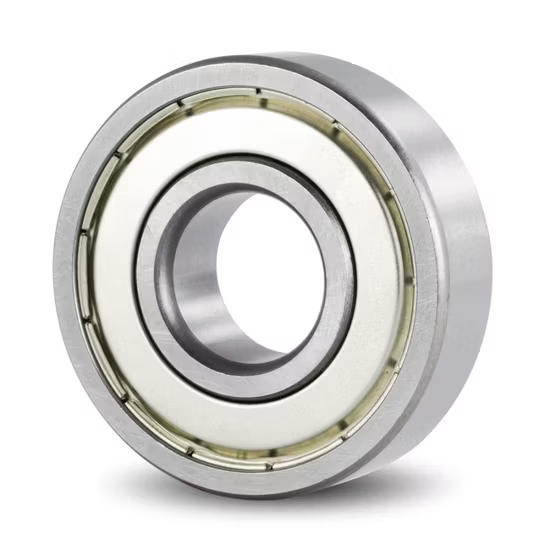
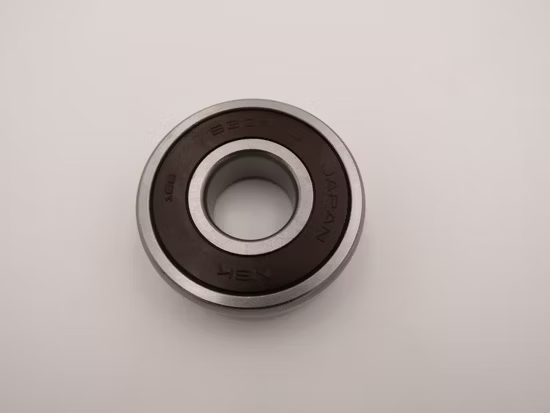
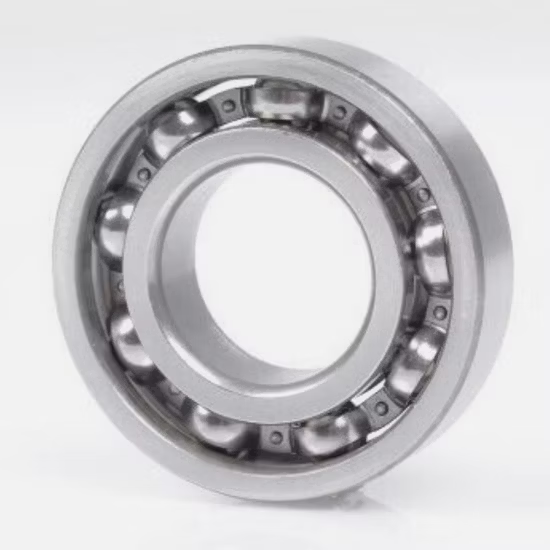
| Seal or Shield Type | Open / ZZ (Double steel shields) / 2RS (Double rubber contact seals) |
| Noise and Vibration Level | Z1V1, Z2V2, Z3V3, Z4V4 |
| HS Code | 848210 |
| Industry | Typical Applications |
|---|---|
| Electric Motors | Rotor shafts, cooling fans, drive ends |
| Industrial Gearboxes | High-speed input shafts, intermediate gearing |
| Material Handling | Conveyor pulley bearings, idler rollers |
Matching the seal type to the actual thermal environment prevents rapid cage degradation.
Sourcing a Koyo 6206 deep groove ball bearing based solely on the base designation often leads to field failures when the operating temperature exceeds the limits of standard shields or seals. We frequently see ZZ variants installed in high-heat motor zones where the non-contact steel shields allow hot, contaminated air to infiltrate the raceway, or 2RS variants where the rubber lips overheat and melt . Counterfeit bearings exacerbate this issue; soft inner rings that fail basic hardness checks will spall and seize within weeks under thermal stress. Authentic components with correct clearance and verified metallurgy are the only reliable defense against unplanned downtime.
Selecting the correct Koyo 6206 deep groove ball bearing requires looking past the base number to evaluate the specific suffix configuration. An open design is ideal for gearboxes where the bearing is splash-lubricated by the system's oil bath, while ZZ shields protect against coarse dust in conveyors without adding significant friction. For electric motors operating in humid or washdown environments, 2RS rubber contact seals provide the necessary moisture barrier. Our technical team reviews your exact load, speed, and contamination parameters to ensure the chosen variant matches the OEM equipment requirements precisely.
Deep groove ball bearings in electric motors and gearboxes face a constant battle between thermal expansion and environmental contamination. As operating temperatures rise, the internal clearance must accommodate the differential expansion between the shaft and the housing; installing a standard CN clearance where a C3 is required will cause thermal binding and catastrophic cage failure. Simultaneously, the sealing arrangement must balance friction and protection. Contact seals generate heat at high RPMs, while non-contact shields allow fine particulate ingress . Proper lubrication intervals and selecting the right Z1V1 to Z4V4 noise grade further dictate the operational lifespan in sensitive motor applications.
The Z1V1 through Z4V4 noise and vibration classifications are critical for electric motor applications where acoustic performance and smooth operation are paramount. A Z3V3 or Z4V4 grade ensures the internal geometry and surface finishes are optimized to minimize high-frequency vibrations that can resonate through the motor housing. Regarding sealing, the ZZ configuration utilizes double steel shields that maintain a small, non-contact air gap, making them suitable for high-speed applications where friction must be minimized. Conversely, the 2RS variant employs double rubber contact seals that physically wipe the inner ring, offering superior protection against moisture and fine dust at the cost of slightly higher rotational friction and lower limiting speeds.
Overlooking critical cross-reference checks such as internal clearance, cage material, and precision suffixes inevitably leads to premature field failures. Installing a standard P0 grade bearing in a precision spindle or high-speed motor application results in excessive vibration and accelerated fatigue. Furthermore, relying on unverified supply chains introduces the risk of counterfeit bearings with soft inner rings and cloned QR codes, which pass casual visual inspections but cause severe spalling and unplanned downtime shortly after installation . The financial impact of a single production line stoppage far exceeds the initial savings of purchasing unverified components.
We maintain authorized distribution coverage across all major international brands, allowing you to consolidate mixed-brand requirements into a single, fully documented shipment. When replacing a Koyo 6206, cross-reference errors often occur when suppliers match the base number but ignore the required C3 clearance or specific cage design; our engineering team verifies these exact parameters before quoting. Every batch we supply is fully traceable to the manufacturer, eliminating the risk of soft-ring counterfeits that plague the open market. We provide comprehensive application-based selection reviews, ensuring the seal type and noise grade align perfectly with your specific motor or gearbox operating conditions.
To ensure exact fitment and optimal L10 life calculation, please provide your specific operating parameters, including radial and axial loads, operating speeds, and ambient temperatures. If you are replacing an existing component, sharing the OEM equipment number or the exact nameplate data allows our engineering team to perform a comprehensive cross-reference check. This technical review guarantees that the selected clearance class and sealing configuration perfectly match your application's thermal and contamination demands.
Q: How can I verify the authenticity of the Koyo 6206 deep groove ball bearing upon delivery?
A: Authenticity is confirmed by scanning the QR code on the packaging using the official brand application, which cross-references the batch and lot numbers. We also provide comprehensive manufacturer traceability documentation and a Certificate of Conformity. This rigorous verification process eliminates the risk of receiving counterfeit bearings with soft inner rings that cause premature spalling and catastrophic equipment downtime.
Q: What cross-reference checks are critical when replacing an existing 6206 bearing?
A: Beyond matching the base designation, you must verify the internal clearance class, cage material, and precision suffixes. Installing a standard CN clearance in a high-temperature motor instead of the required C3 will cause thermal binding. Our technical team reviews these exact parameters against your OEM equipment requirements to prevent cross-reference errors that lead to rapid cage failure in the field.
Q: How do I choose between Open, ZZ, and 2RS configurations for my application?
A: Open designs are best for enclosed gearboxes with splash lubrication. ZZ steel shields offer low-friction protection against coarse dust for high-speed conveyors. The 2RS rubber contact seals provide maximum protection against moisture and fine particulates for electric motors in harsh environments. We evaluate your specific contamination and friction requirements to recommend the optimal sealing arrangement.
Q: What do the Z1V1 to Z4V4 noise and vibration levels mean for electric motors?
A: These classifications indicate the acoustic and vibrational quality of the bearing. Higher grades, such as Z3V3 or Z4V4, feature superior internal geometry and surface finishes that minimize high-frequency vibrations. Specifying the correct noise grade is essential for sensitive electric motor applications to ensure smooth, quiet operation and prevent resonant vibrations from transferring to the surrounding machinery structure.
Q: What is the recommended mounting procedure for these deep groove ball bearings?
A: For interference fits on motor shafts, induction heating is the preferred method to expand the inner ring uniformly without damaging the raceway or seals. Never apply mounting force through the rolling elements, as this will cause immediate brinelling. For sealed variants, ensure the heating temperature does not exceed the thermal limit of the rubber lips or shield adhesives to maintain sealing integrity.
Our 5-step process ensures every order is engineered, validated, and supported for optimal performance.
Technical needs assessment
Custom specifications
Free samples for $50k+
Pre-shipment inspection
On-site & predictive
Our certified engineers respond within 24 hours with detailed technical specifications, pricing, and lead time information.