01
Consultation
Technical needs assessment


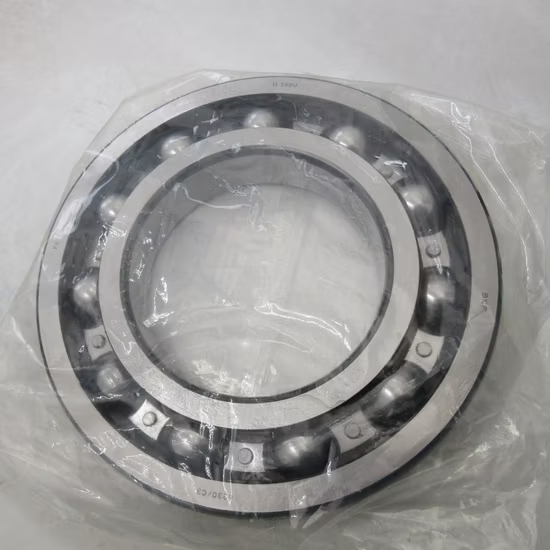


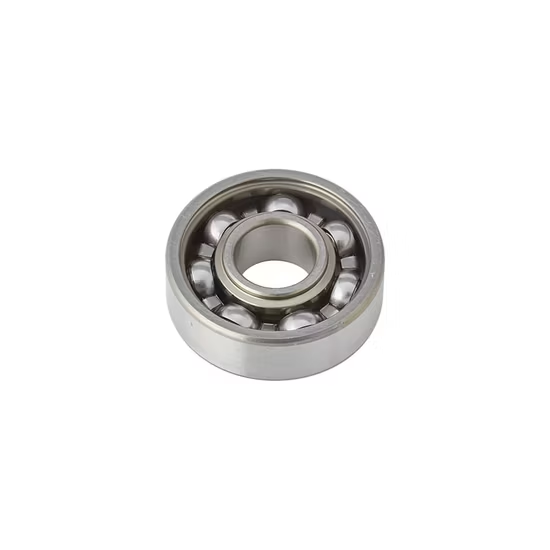
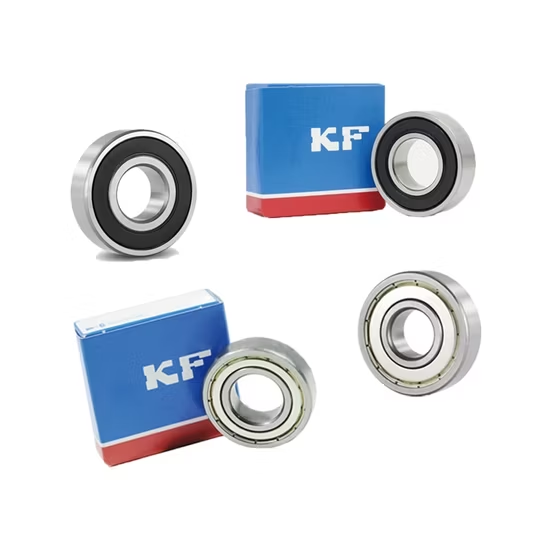
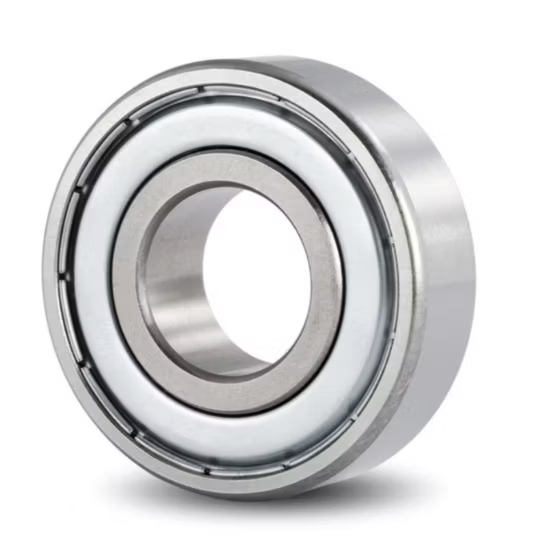
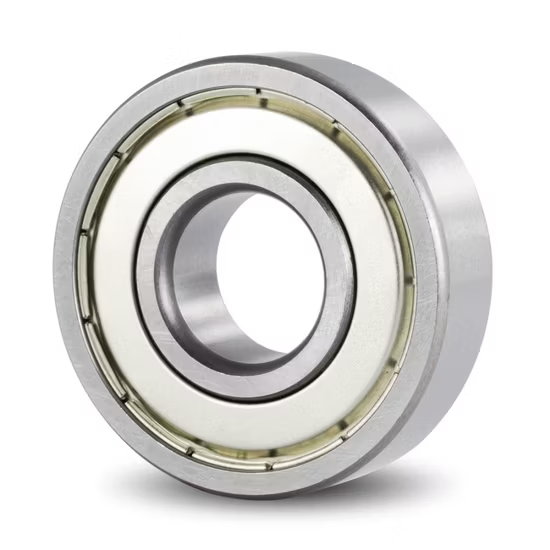
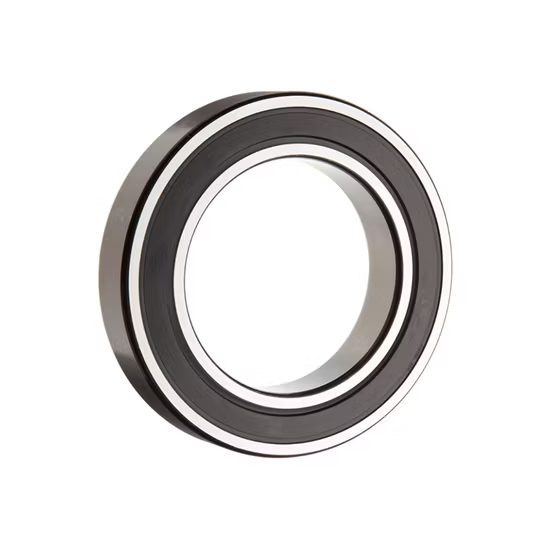
6303 6304 6305 6306 6307 6308 Deep Groove Ball Bearings — chrome steel construction with open, rubber, or iron seal styles and Z1V1 to Z4V4 noise grades.
Cross-reference suffix alignment — verifying the base number, clearance class, and seal configuration prevents thermal binding when substituting mixed-brand equivalents.
| Parameter | Value |
|---|---|
| Designation | 6303 6304 6305 6306 6307 6308 |
| Bearing Type | Deep Groove Ball Bearing |
| Material | Chrome Steel |
| Seal or Shield Type | Open, Rubber Seals, Iron Seals |
| Noise and Vibration Grade | Z1V1, Z2V2, Z3V3, Z4V4 |
| Origin | Germany, Japan, Sweden, Malaysia, China |
| HS Code | 848210 |
| Industry | Typical Applications |
|---|---|
| Medical & Mobility | Wheelchair drive wheels and front caster assemblies |
| Industrial Power | Electric motor rotors and industrial pump shafts |
| Material Handling | Conveyor guide rollers and gearbox input shafts |
| Consumer Appliances | Washing machine drum spindles and household fan motors |
A matching base designation means nothing if the internal clearance and seal suffixes are ignored during cross-referencing.
Sourcing teams often approve replacements based solely on the core number, missing critical suffix variations. When a standard clearance bearing is installed in a high-friction wheelchair caster or a tightly toleranced electric motor, the lack of thermal expansion room causes the internal components to bind. This oversight leads to rapid heat buildup, seal melting, and eventual wheel lockup, turning a simple maintenance task into a critical safety hazard .
Selecting the correct variant from the 6303 6304 6305 6306 6307 6308 deep groove ball bearing lineup requires looking past the basic size. Our technical review process ensures that the chosen seal type and noise grade perfectly align with your specific operational demands, preventing premature degradation in both mobility equipment and industrial drives.
Wheelchair casters and industrial electric motors subject bearings to a complex mix of radial loads, sudden shock impacts, and environmental debris. In mobility applications, tight housing tolerances combined with friction-generated heat demand specific internal clearances to prevent the rolling elements from seizing. Meanwhile, industrial pumps and gearboxes require robust sealing solutions to keep abrasive particulates out while retaining factory-applied lubricants, balancing the need for contamination protection against the friction heat generated by contact seals .
The Z1V1 through Z4V4 classifications dictate the acoustic and vibration limits of the bearing, which is critical for household appliances and precision electric motors where operational smoothness is paramount. Higher ZV grades undergo stricter dynamic balancing to minimize high-frequency noise. The sealing options offer distinct trade-offs: open designs allow for external relubrication in clean environments, iron shields provide non-contact dust protection for high-speed applications, and rubber seals deliver maximum moisture and contaminant exclusion at the cost of slightly higher rotational torque.
Approving a substitute bearing that shares the base number but lacks the correct ZV grade or seal type inevitably leads to unplanned downtime and accelerated fatigue. In precision motors, incorrect vibration grades cause resonance issues that damage surrounding components, while wrong seal choices lead to rapid lubricant starvation or overheating. According to ISO 281 life calculation frameworks, these localized failures drastically reduce the operational lifespan of the entire assembly, resulting in voided equipment warranties and costly emergency maintenance interventions .
We align cross-references across three critical dimensions—base number, clearance, and seal type—ensuring the replacement performs identically to the original. Every batch is backed by manufacturer traceability, allowing you to verify authenticity and avoid the soft inner rings common in cloned components. Our application-based selection review catches suffix mismatches before shipment, while our mixed-brand authorization means you can consolidate your entire 6303 to 6308 requirement into a single, fully documented order.
To ensure accurate cross-referencing and selection, please provide your specific radial and axial loads, operating speeds, and ambient temperature ranges. Supplying the original OEM equipment numbers allows our engineering team to verify the exact seal and clearance suffixes required. Detailing the environmental exposure, such as moisture or abrasive dust, helps us confirm whether open, iron-shielded, or rubber-sealed configurations will deliver the most reliable service life.
Q: What is the practical difference between Z1V1 and Z4V4 noise and vibration grades?
A: The ZV classification measures the acoustic and vibration output during rotation. Z1V1 represents standard commercial grades suitable for general gearboxes, while Z4V4 indicates ultra-quiet, highly balanced bearings essential for household appliances and precision electric motors where high-frequency noise and vibration must be strictly minimized.
Q: How do I choose between rubber seals and iron shields for my application?
A: Iron shields provide non-contact protection against large dust particles and allow for higher operating speeds with minimal friction. Rubber seals offer superior exclusion of fine particulates and moisture but generate slightly more friction heat. The choice depends on your specific contamination levels and speed requirements.
Q: What suffixes must align when cross-referencing these deep groove ball bearings?
A: Beyond matching the base designation, you must verify the internal clearance class, seal or shield type, and cage material. Overlooking these suffixes during cross-brand substitution often leads to thermal binding, premature seal failure, or excessive vibration in the field.
Q: How can I verify the authenticity of the bearings I receive?
A: We provide full batch traceability and official documentation for every shipment. You can scan the QR codes on the packaging using the manufacturer's official mobile application to instantly verify the origin and reject any cloned components with soft inner rings.
Q: Why did my previous wheelchair caster bearings seize despite having the correct base number?
A: This usually occurs when a standard clearance bearing is installed in an application requiring extra internal room for thermal expansion. Under load and friction, the bearing heats up, and without the correct clearance suffix, the rolling elements bind against the raceways, leading to catastrophic lockup.
Our 5-step process ensures every order is engineered, validated, and supported for optimal performance.
Technical needs assessment
Custom specifications
Free samples for $50k+
Pre-shipment inspection
On-site & predictive
Our certified engineers respond within 24 hours with detailed technical specifications, pricing, and lead time information.