01
Consultation
Technical needs assessment

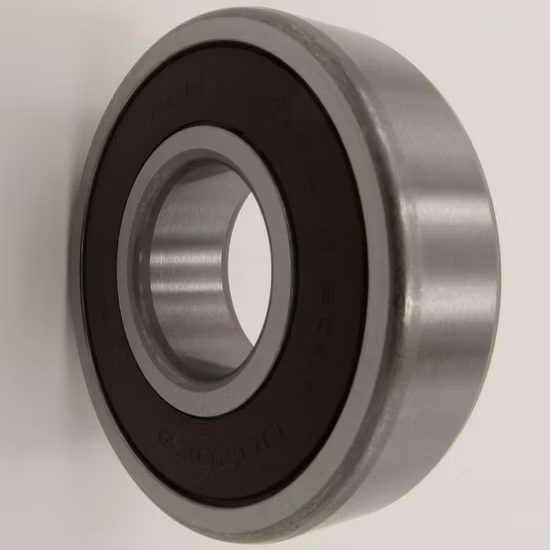
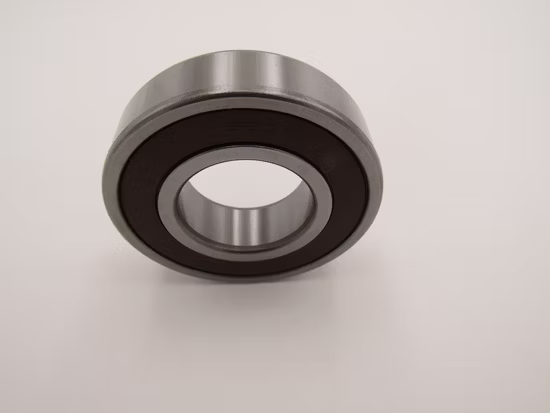
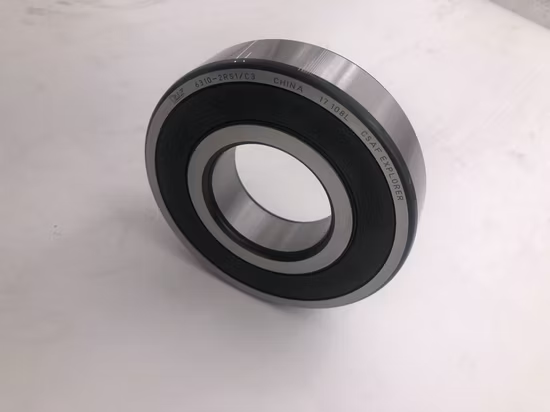
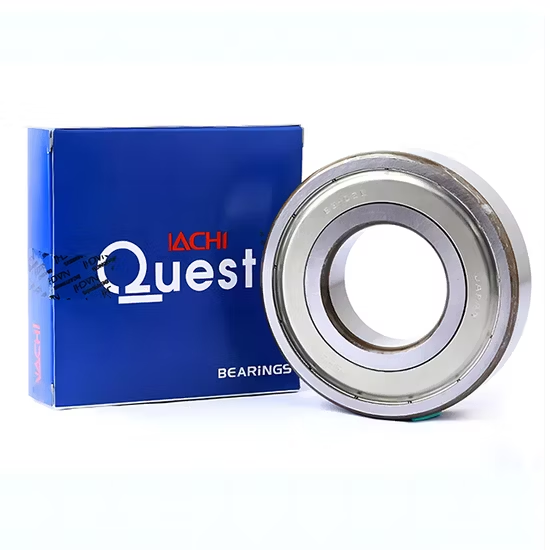

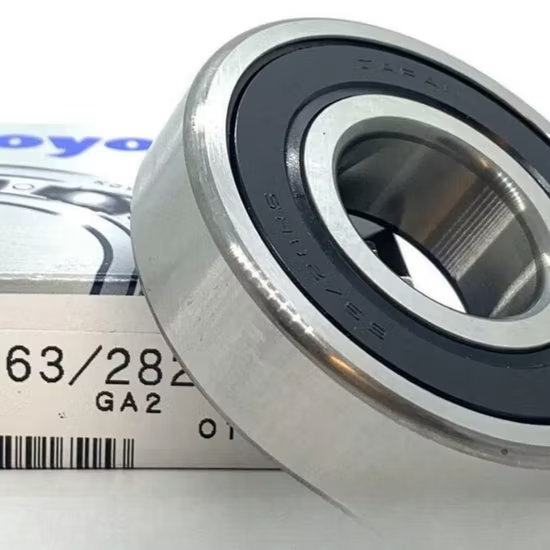
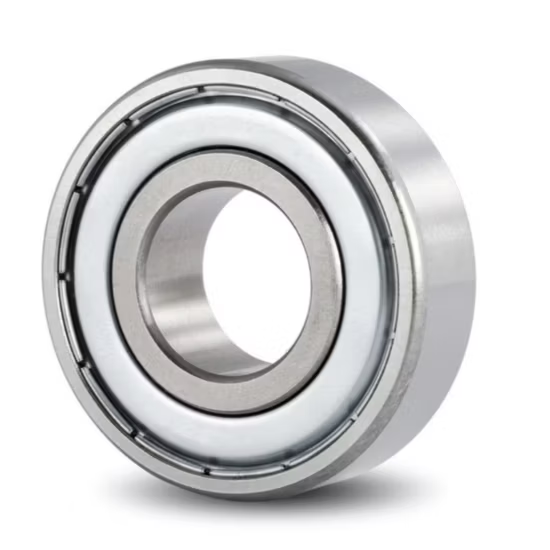
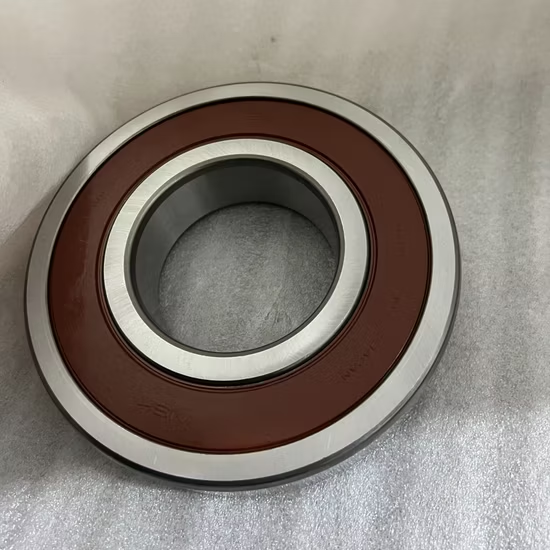
608 2RS Deep Groove Ball Bearing — featuring double-sided contact rubber seals for maintenance-free operation and contamination prevention in electric motors.
Three-parameter cross-reference alignment — We verify base number, seal configuration, and internal clearance to prevent thermal binding in your 608 series applications.
| Parameter | Value |
|---|---|
| Designation | 608 2RS |
| Bearing Type | Deep Groove Ball Bearing |
| Seal or Shield Type | Double-sided contact rubber seals (2RS) / Double-sided steel shields (zz) |
| Noise and Vibration Grade | Z1V1, Z2V2, Z3V3, Z4V4 |
| Bearing Style Options | Open, Rubber Seals, Iron Seals |
| Cross-Reference | 608zz |
| Industry | Typical Applications |
|---|---|
| Electric Motors | Rotor shaft support, cooling fan assemblies |
| Industrial Gearboxes | High-speed input shafts, auxiliary drive mechanisms |
| Household Appliances | Washing machine drum pulleys, vacuum cleaner motor spindles |
| Power Tools | Angle grinder spindles, electric drill chuck supports |
When sourcing a 608 2RS deep groove ball bearing, matching the base number is only the first step.
Ignoring the exact seal and clearance suffixes turns a standard replacement into a premature failure point.
In the Pearl River Delta motor manufacturing hubs, I have dismantled countless seized rotors where a standard CN clearance was forced into a high-temperature winding environment instead of the required C3. The rubber seals melted, the cage deformed, and the entire assembly locked up within weeks .
Selecting the correct 608 2RS deep groove ball bearing requires looking beyond the basic dimensions to evaluate the actual operating conditions. Our technical team reviews your specific radial loads, rotational speeds, and ambient temperatures to confirm whether the contact friction of rubber seals or the non-contact shielding of steel variants will deliver optimal service life. This application-based selection review prevents the costly mismatch of installing high-friction seals in high-speed spindles or leaving critical components exposed to conductive dust.
Small deep groove ball bearings in electric motors and power tools face severe thermal gradients and particulate contamination. High-speed rotation generates internal heat that demands adequate internal clearance to accommodate thermal expansion of the shaft and housing. Simultaneously, the sealing mechanism must balance friction generation against the ingress of moisture and abrasive dust . Choosing the wrong noise and vibration grade or seal type disrupts this balance, leading to lubricant degradation and accelerated raceway wear.
The 2RS suffix specifies double-sided contact rubber seals, providing excellent protection against moisture and dust at moderate speeds, whereas the zz cross-reference indicates steel shields suited for higher speeds with lower friction. The Z1V1 through Z4V4 noise and vibration grades dictate the running smoothness, with higher grades essential for precision household appliances and quiet electric motors. Understanding these suffixes ensures the internal geometry and sealing arrangements perfectly align with the original equipment manufacturer's design intent.
Substituting a generic bearing without verifying the exact seal and clearance suffixes leads to catastrophic thermal binding and unplanned downtime. When a standard clearance bearing is installed in a high-heat motor application, the internal expansion eliminates the rolling gap, causing the cage to fracture and the shaft to seize. These premature failures not only destroy the bearing but often cause severe secondary damage to the surrounding motor windings and gearbox housings .
We supply authorized multi-brand coverage, allowing you to consolidate mixed-brand requirements for your entire maintenance inventory into a single order. Our cross-reference matching strictly aligns clearance, cage material, and precision suffixes, eliminating the dangerous assumption that a base number match guarantees interchangeability. Every batch features full traceability to the manufacturer, verified through official brand applications to completely rule out soft inner ring counterfeits. Furthermore, our application-based selection review covers your specific load, speed, and temperature parameters to ensure the chosen variant survives the field environment.
To ensure the selected bearing perfectly matches your equipment, please provide the specific radial and axial loads, operating speeds, and maximum ambient temperatures. Sharing the original equipment manufacturer part numbers allows our engineering team to perform a comprehensive cross-reference check, verifying that the internal clearance and seal configurations align exactly with your design requirements.
Q: What is the difference between 2RS rubber seals and zz steel shields?
A: The 2RS designation indicates double-sided contact rubber seals that offer superior protection against moisture and dust but generate slightly more friction. The zz variant uses non-contact steel shields, which produce less friction and heat, making them better suited for high-speed electric motor applications where extreme particulate ingress is not a primary concern.
Q: How do Z1V1 to Z4V4 quality levels affect motor performance?
A: These grades define the strictness of the noise and vibration tolerances during rotation. While Z1V1 is adequate for basic industrial conveyors, high-speed household appliances and precision power tools require Z3V3 or Z4V4 grades to ensure quiet operation, minimize structural resonance, and prevent premature fatigue caused by excessive internal vibration.
Q: Why do cross-reference errors in clearance lead to thermal binding?
A: If a standard CN clearance is installed in a high-temperature motor environment instead of the required C3, the thermal expansion of the shaft and housing will eliminate the internal rolling gap. This causes the rolling elements to skid rather than roll, generating massive friction, melting the rubber seals, and ultimately resulting in catastrophic cage failure and shaft seizure.
Q: How can I verify the authenticity of my 608 series bearings?
A: You can verify authenticity by scanning the QR codes on the packaging using the official mobile applications provided by the bearing manufacturers. This digital check confirms the batch and lot traceability, ensuring the product is a genuine factory output and not a counterfeit with a soft inner ring or cloned packaging.
Our 5-step process ensures every order is engineered, validated, and supported for optimal performance.
Technical needs assessment
Custom specifications
Free samples for $50k+
Pre-shipment inspection
On-site & predictive
Our certified engineers respond within 24 hours with detailed technical specifications, pricing, and lead time information.