01
Consultation
Technical needs assessment

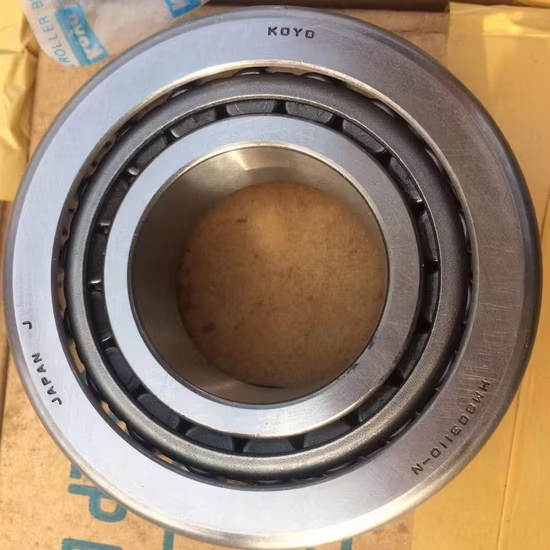
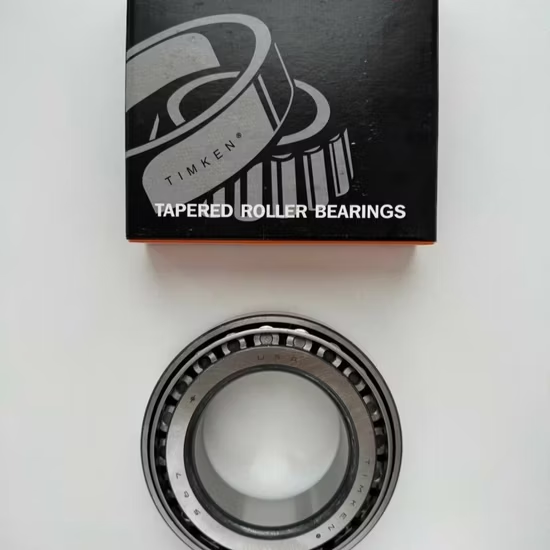
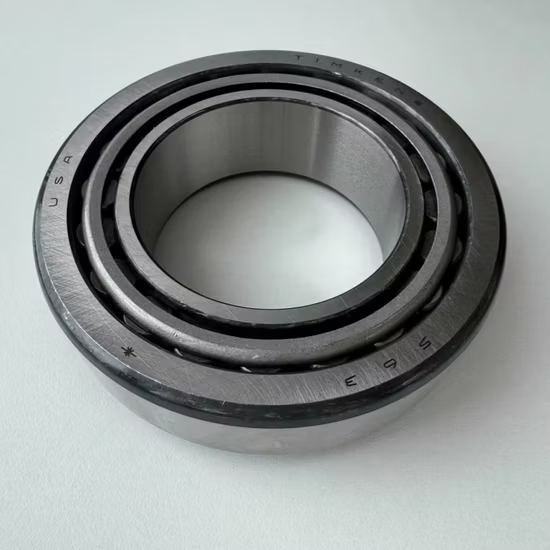
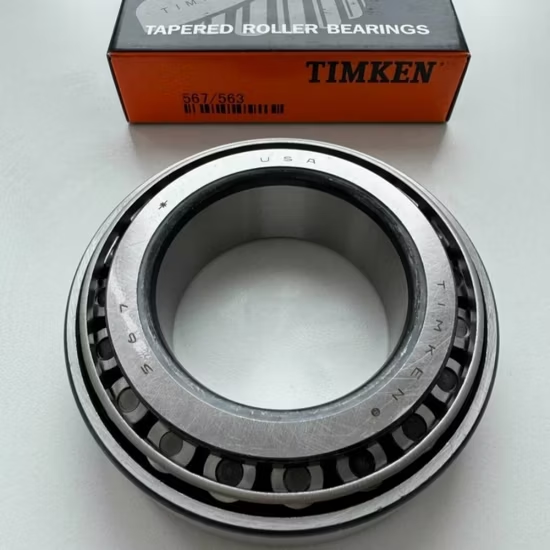
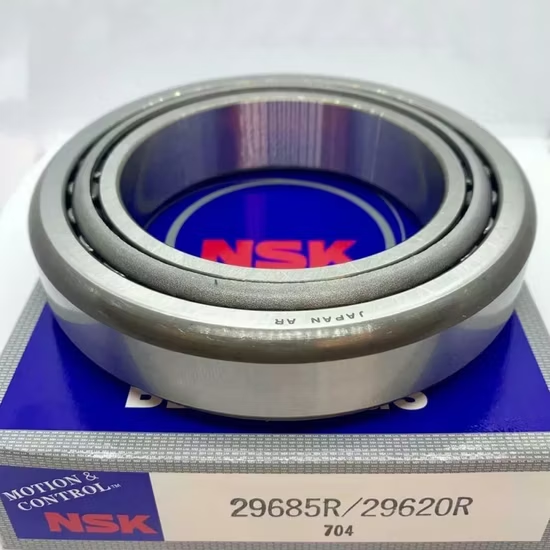
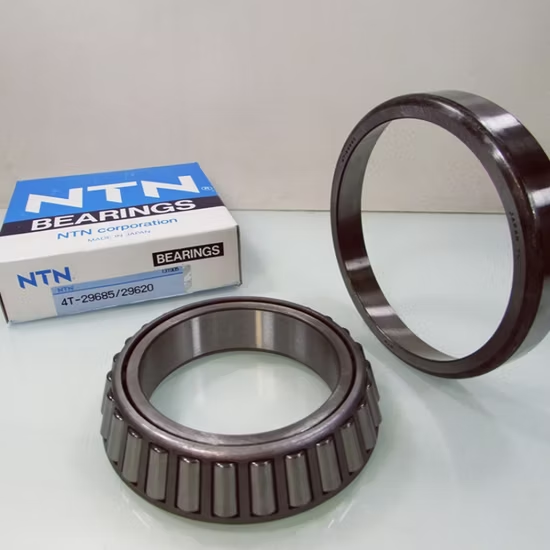
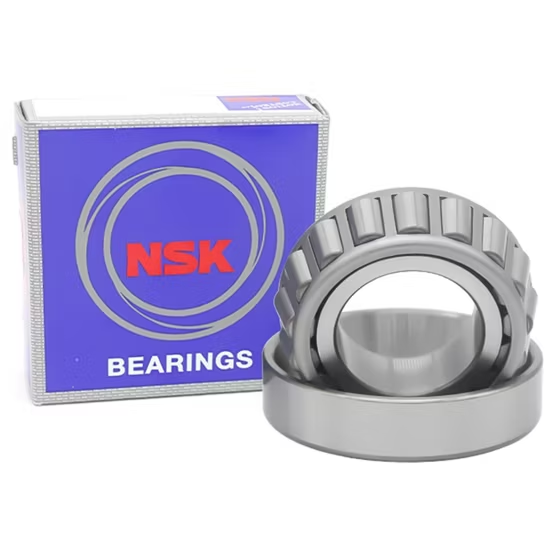
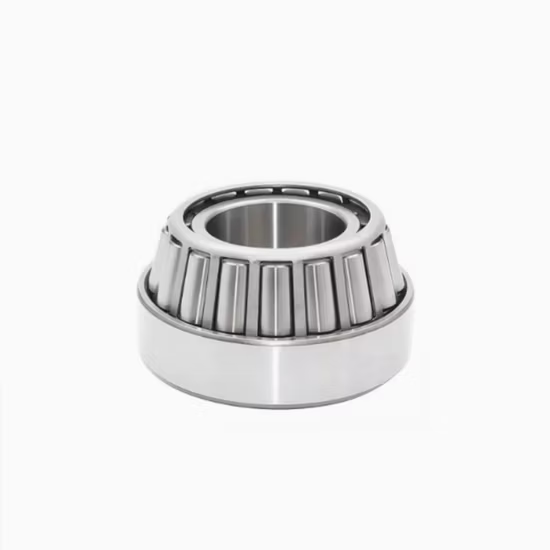
30211-1 Single Row Tapered Roller Bearing — Single row tapered design efficiently handles combined radial and axial loads for industrial gearboxes and manufacturing machinery.
Official App Verification — Scan the QR code on every 30211-1 single row tapered roller bearing package to confirm batch authenticity directly through the manufacturer's official application.
| Parameter | Value |
|---|---|
| Designation | 30211-1 |
| Bearing Type | Tapered Roller Bearing |
| Number of Rows | Single Row |
| Precision Class | P4 |
| Material | GCr15 Bearing Steel |
| Cage Material | Available in Nylon, Brass, or Iron variants |
| Origin | Germany / Japan / Sweden / Malaysia / China |
Note: The "-1" suffix is an unverified designation requiring manufacturer catalog confirmation for exact internal geometry.
| Industry | Typical Applications |
|---|---|
| Industrial Gearboxes | Heavy-duty reduction gears and power transmission shafts |
| Manufacturing Machinery | Press machines and automated assembly line conveyors |
| Building Material Equipment | Crushers and vibrating screens in cement plants |
| Automotive and Heavy Vehicle Repair | Wheel hubs and differential assemblies in commercial trucks |
Matching the base designation without verifying the precision class and internal geometry leads to thermal binding under heavy loads.
In my years sourcing components for Latin American mining operations, I have seen countless gearboxes seize because procurement teams ordered standard P0 clearance when the application demanded tighter tolerances and specific thermal expansion allowances. A mismatched internal design causes the rolling elements to skid rather than roll, generating excessive heat that destroys the cage.
When specifying a 30211-1 single row tapered roller bearing for industrial gearboxes, the P4 precision class ensures tighter dimensional and running accuracy than standard grades, minimizing vibration at high speeds. Our technical team reviews your specific load profiles to ensure the selected bearing handles the combined radial and axial forces without premature wear. This application-based selection prevents the costly mismatches that often plague general MRO purchasing.
Heavy machinery in building material equipment operates under intense shock loads and elevated ambient temperatures, which drastically affect internal clearance and lubricant viscosity. If the thermal expansion of the shaft and housing is not accounted for, the bearing can lose its necessary operating clearance, leading to severe friction and eventual seizure. Proper lubrication intervals and selecting the correct cage material are critical to dissipating heat and preventing contamination ingress in these harsh environments.
The P4 precision rating guarantees superior running accuracy, which is essential for minimizing noise and vibration in manufacturing machinery spindles. GCr15 bearing steel provides the high hardness and wear resistance required to withstand the heavy contact stresses inherent in tapered roller designs. Furthermore, the availability of nylon, brass, or iron cage options allows buyers to match the cage material to their specific speed and vibration constraints, ensuring optimal performance across diverse operating conditions.
Ordering a bearing based solely on the base number often results in unplanned downtime when the component fails to handle the actual operational stresses. A standard precision bearing installed in a high-speed gearbox will experience accelerated fatigue and catastrophic damage to the raceways. These failures not only void equipment warranties but also trigger expensive secondary damage to adjacent gears and shafts, far exceeding the initial component cost.
We provide authorized coverage across major brands, allowing you to consolidate mixed-brand requirements into a single, traceable order. Cross-brand interchange is matched strictly on clearance, cage material, and precision, preventing the thermal binding caused by overlooking critical suffixes. Every shipment includes full batch traceability to the manufacturer, ensuring you receive genuine components rather than counterfeits with soft inner rings that pass casual visual inspections but fail under load.
To ensure the selected component perfectly matches your machinery, please provide detailed operating parameters including radial and axial loads, rotational speeds, and expected temperature ranges. Sharing your OEM equipment numbers allows our engineering team to perform precise cross-reference checks and L10 life calculations. This technical review guarantees that the internal geometry and precision class align exactly with your operational demands.
Q: How can I verify the authenticity of the received components?
A: Every package features a unique QR code that can be scanned using the manufacturer's official mobile application. This digital verification confirms the batch origin and authenticity, protecting your operation from counterfeits with cloned codes and substandard metallurgy that often fail under heavy industrial loads.
Q: Why is it critical to match precision and cage suffixes during cross-referencing?
A: Matching only the base number ignores vital internal geometry differences. Installing a standard cage or lower precision class in a high-speed gearbox causes excessive vibration and thermal binding. We verify all suffixes to ensure the replacement matches the exact load, speed, and temperature requirements of your specific application.
Q: What are the practical differences between P4 and standard P0 precision grades?
A: P4 precision offers significantly tighter dimensional and running accuracy compared to standard P0 grades. This enhanced accuracy reduces vibration, minimizes heat generation, and extends service life in demanding applications like manufacturing machinery, where slight deviations can lead to premature fatigue and equipment failure.
Q: How do I choose the right cage material for my operating conditions?
A: Cage selection depends on your specific speed, load, and temperature profiles. Nylon cages offer quiet operation and lower friction at moderate temperatures, while brass or iron variants provide superior durability and heat dissipation for heavy-load, high-vibration environments. We review your application parameters to recommend the optimal material variant.
Q: What mounting practices are recommended to maintain precision tolerances?
A: Proper mounting is essential to preserve the P4 precision class. We recommend using controlled induction heating for the inner ring to ensure even thermal expansion without damaging the raceways. Avoiding direct mechanical force on the rolling elements prevents brinelling and ensures the bearing achieves its designed operational clearance and service life.
Our 5-step process ensures every order is engineered, validated, and supported for optimal performance.
Technical needs assessment
Custom specifications
Free samples for $50k+
Pre-shipment inspection
On-site & predictive
Our certified engineers respond within 24 hours with detailed technical specifications, pricing, and lead time information.