01
Consultation
Technical needs assessment

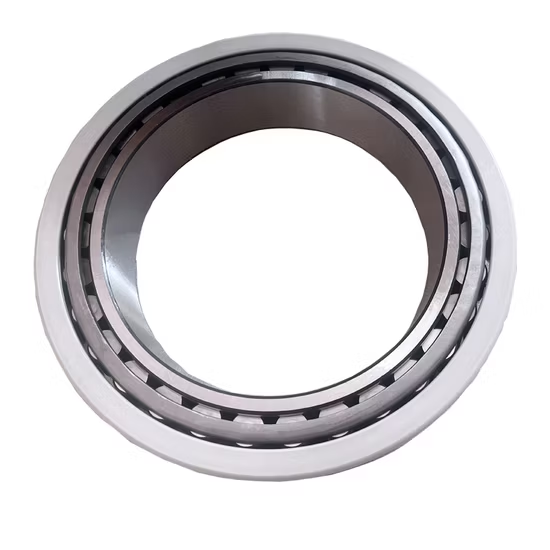
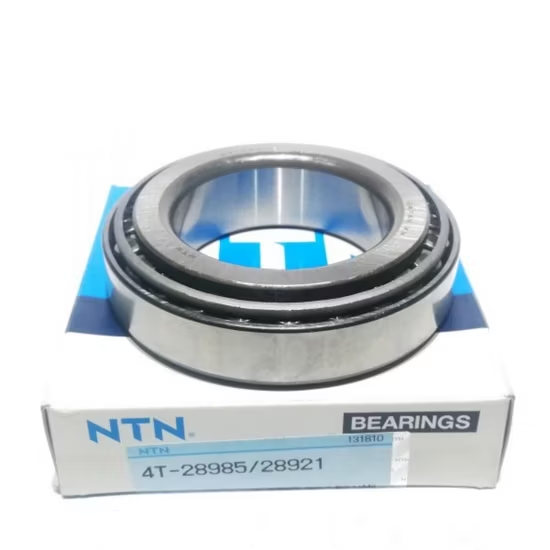
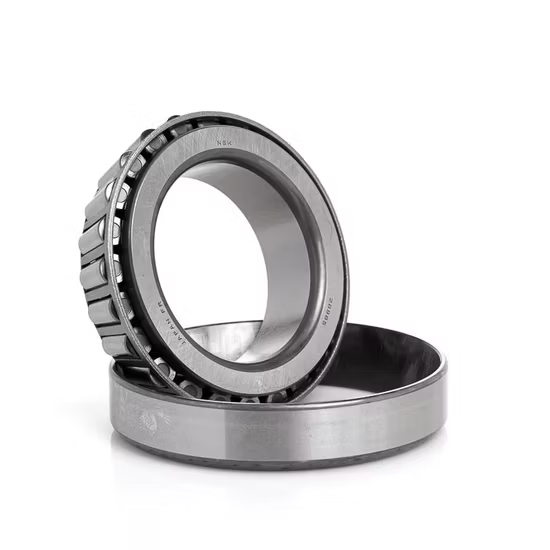
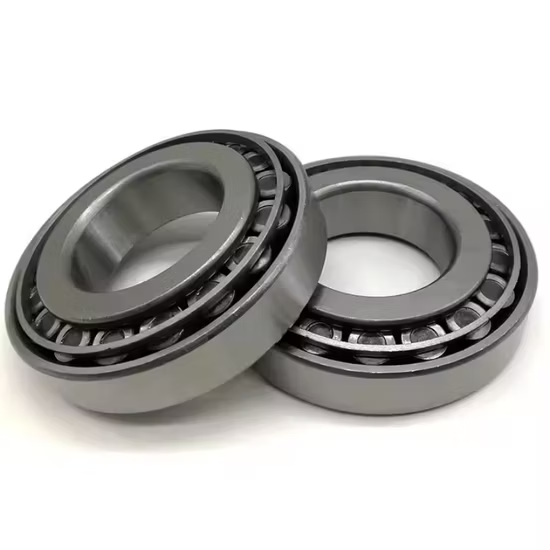
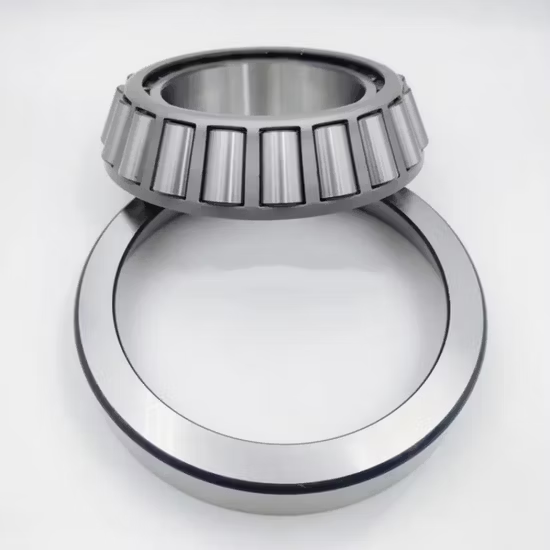

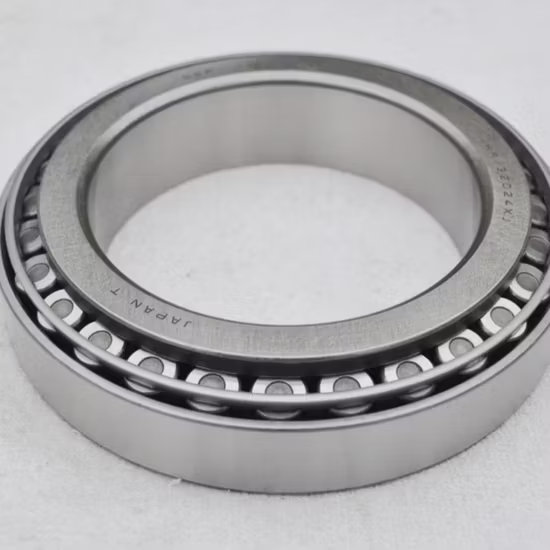
28584/28521 Tapered Roller Bearing P4 — inch-series design in GCr15 bearing steel, delivering high core hardness and fatigue resistance under heavy combined loads. P4 precision class ensures tighter dimensional and running accuracy for demanding gearbox and hub applications.
Three-way cross-reference alignment — verifying base number, cage material, and internal geometry to prevent field binding in heavy-duty axles.
| Parameter | Value |
|---|---|
| Designation | 28584/28521 |
| Bearing Type | Tapered Roller Bearing |
| Precision Class | P4 |
| Material | GCr15 bearing steel |
| Cage Material Options | Nylon, Brass, or Iron |
| Bore Type | Tapered |
| Measurement System | Inch |
| Industry | Typical Applications |
|---|---|
| Automotive and Heavy Vehicle | Truck axles and commercial wheel hubs |
| Industrial Power Transmission | Heavy-duty gearboxes and reduction units |
| Marine and Offshore | Marine drive shafts and propulsion systems |
| General Manufacturing | Material handling conveyors and general machinery |
Matching the inch designation alone is never enough to guarantee operational survival under heavy radial and axial loads.
I have seen mining crushers in Latin America grind to a halt because the procurement team only verified the base numbers. The replacement parts matched the outer dimensions perfectly, but the internal clearance and cage design were entirely wrong for the high-temperature environment. The result was thermal binding and catastrophic seizure within weeks. When sourcing a 28584/28521 tapered roller bearing, overlooking internal geometry differences or assuming standard clearance applies to all operating conditions leads to premature failure and massive downtime costs .
Supplying the correct 28584/28521 tapered roller bearing requires looking past the stamped numbers on the outer ring. Our technical review process cross-references the original equipment manufacturer drawings against the actual operating environment. We ensure the internal contact angles and roller profiles are optimized for the specific combined loads your truck axles or gearboxes experience, preventing edge loading and premature spalling.
Heavy-duty applications generate substantial friction heat, which directly impacts internal clearance. If the operating temperature rises significantly, a standard clearance bearing will tighten and eventually seize. Proper lubrication selection and understanding the thermal limits of the chosen cage material are critical. Contaminant ingress in mining or marine environments further complicates this, requiring strict adherence to sealing protocols and regular maintenance intervals to prevent abrasive wear .
The P4 precision class specified for this inch series ensures tighter dimensional and running accuracy, which is vital for reducing vibration in high-speed gearboxes. The GCr15 bearing steel provides the necessary core hardness and fatigue resistance for heavy loads. Furthermore, the cage material must be selected based on the specific application: nylon cages offer low friction and quiet operation at moderate temperatures, brass cages handle higher speeds and heavy vibrations, while iron cages provide maximum structural rigidity under extreme shock loads.
Installing a component with the wrong internal geometry or clearance class does not just reduce service life; it triggers a cascade of mechanical failures. According to ISO 15243, inadequate clearance leads to excessive friction, rapid lubricant degradation, and eventual cage disintegration. This unplanned downtime halts entire production lines, voids equipment warranties, and causes catastrophic damage to adjacent shafts and housings, turning a simple replacement into a major rebuild project .
The market is flooded with cloned components featuring soft inner rings that pass casual visual inspections but fail under load. We mitigate this by providing authorized distribution with full batch traceability. Every 28584/28521 tapered roller bearing we supply is verified for cross-brand interchange accuracy, ensuring the internal design matches your exact requirements. We do not just ship boxes; we validate the metallurgical integrity and dimensional accuracy before dispatch.
To ensure optimal performance and longevity, share your specific radial and axial load profiles, operating speeds, and ambient temperature ranges with our engineering team. We will perform a comprehensive L10 life calculation and verify the cross-reference alignment. If you are replacing an existing unit, providing the original equipment manufacturer part number allows us to confirm the exact internal geometry and cage requirements for your application.
Q: How do I verify the authenticity of the 28584/28521 bearing upon delivery?
A: Every unit we supply includes batch traceability and a unique QR code. You can scan this code using the manufacturer's official mobile application to instantly verify the origin, production date, and authenticity, ensuring you have not received counterfeit components with soft inner rings that could fail under heavy loads.
Q: What cross-reference checks are necessary beyond the base inch designation?
A: Matching the base number is insufficient. We verify the internal geometry, specific clearance class, and cage material against your original equipment specifications. This ensures the replacement handles your exact thermal expansion and load conditions without binding or suffering premature cage failure in the field.
Q: How do I choose between nylon, brass, and iron cages for my application?
A: Nylon cages reduce friction and noise in moderate-temperature gearboxes. Brass cages excel in high-speed or high-vibration environments due to their durability. Iron cages offer maximum structural rigidity for applications with extreme shock loads. Share your operating parameters, and we will recommend the optimal material.
Q: Why is P4 precision important for heavy-duty industrial gearboxes?
A: P4 precision guarantees tighter dimensional and running accuracy compared to standard grades. In demanding gearboxes, this minimizes vibration, reduces heat generation, and ensures even load distribution across the rollers, significantly extending the service life of both the bearing and the surrounding mechanical components.
Q: What mounting practices are recommended for inch-series tapered roller bearings?
A: Proper installation requires precise shaft and housing tolerances. We recommend using controlled induction heating for the inner ring to avoid localized overheating that could compromise the P4 precision. Always follow the manufacturer's guidelines for setting the correct internal clearance during the final assembly adjustment.
Our 5-step process ensures every order is engineered, validated, and supported for optimal performance.
Technical needs assessment
Custom specifications
Free samples for $50k+
Pre-shipment inspection
On-site & predictive
Our certified engineers respond within 24 hours with detailed technical specifications, pricing, and lead time information.