01
Consultation
Technical needs assessment

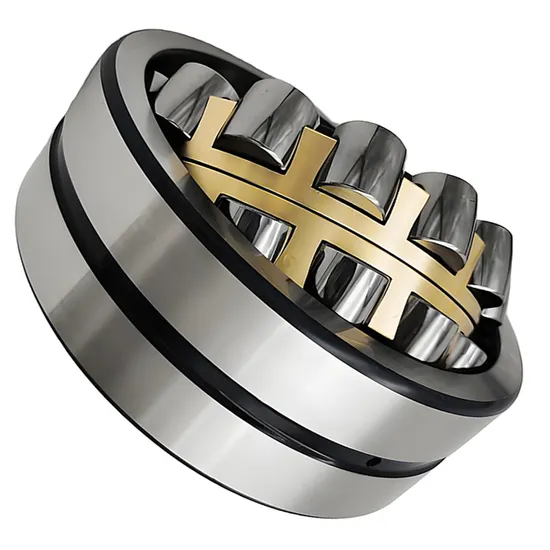
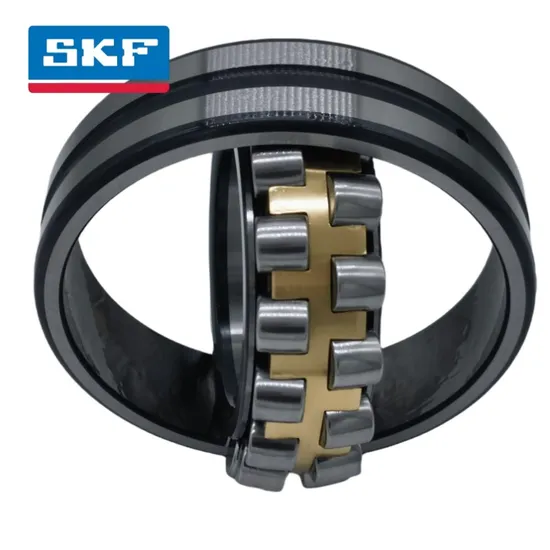
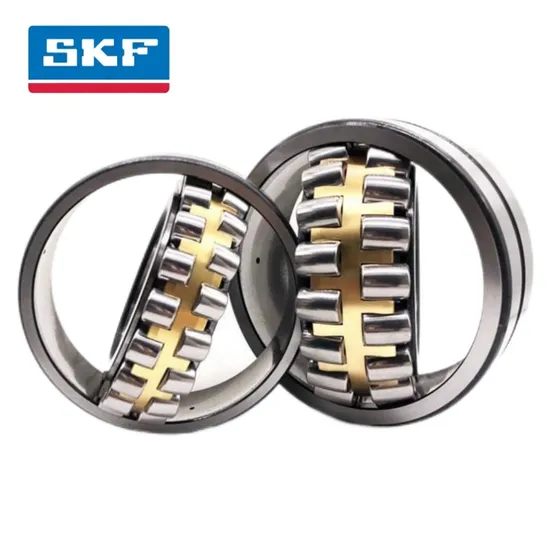
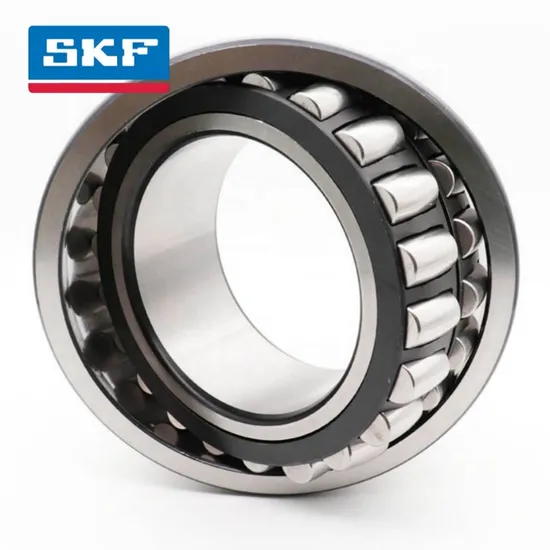
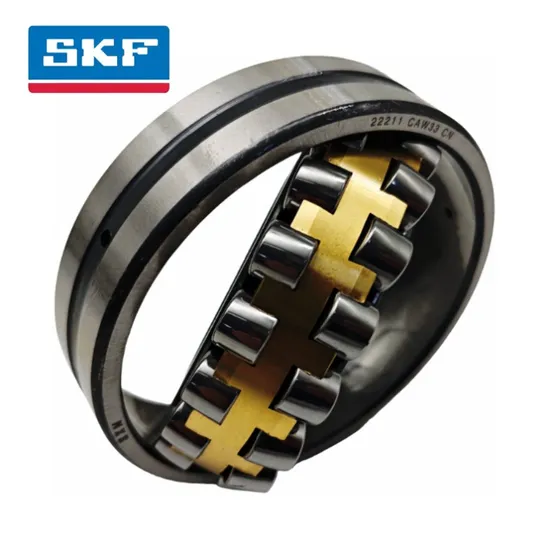
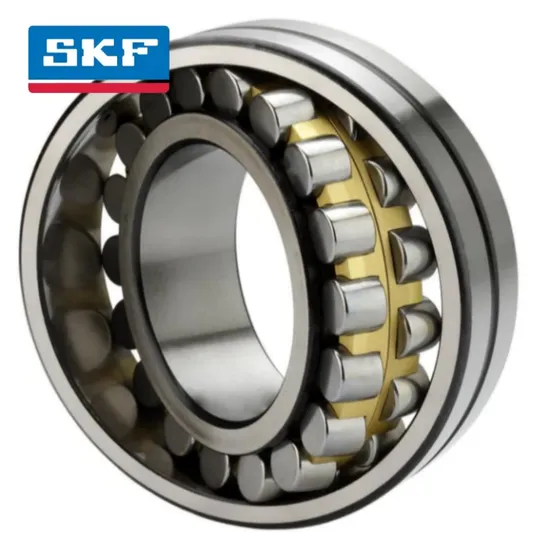
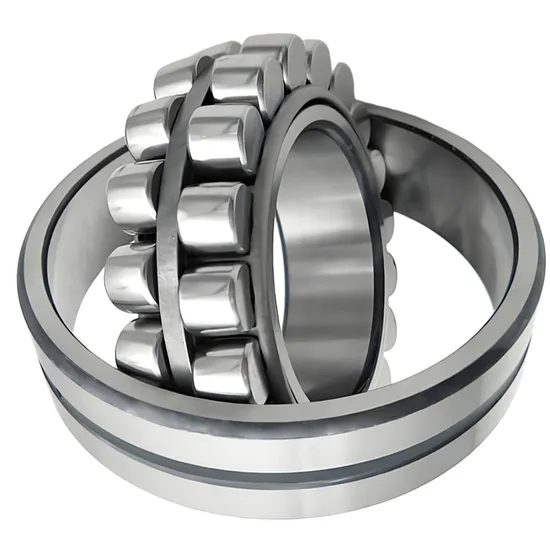
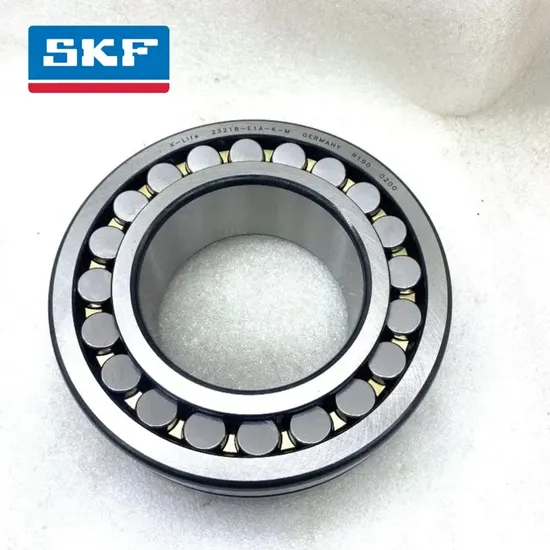
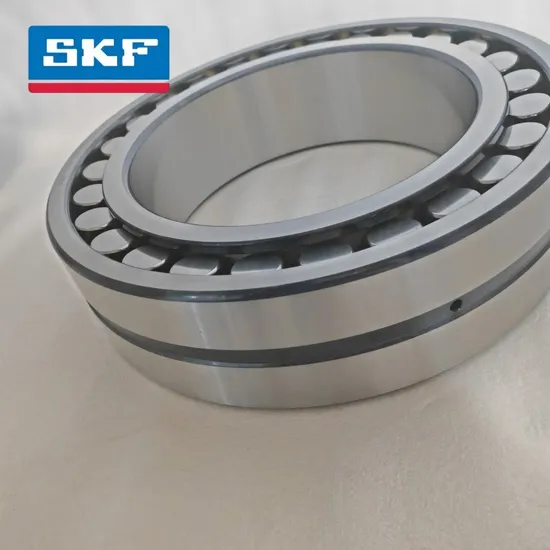
22220ejw33 Spherical Roller Bearing 100×180×46 mm — featuring a reinforced internal design for higher load capacity, a stamped steel cage for reliable operation, and an outer ring lubrication groove with holes for efficient relubrication in heavy-duty mining or crushing applications.
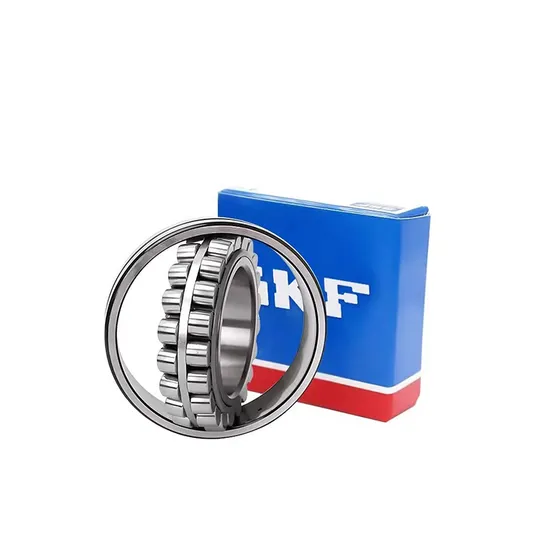
Verified via official apps — Every 22220ejw33 spherical roller bearing we dispatch carries batch traceability that procurement teams can scan directly through the manufacturer's official mobile application.
| Parameter | Value |
|---|---|
| Designation | 22220ejw33 |
| Bearing Type | Spherical Roller Bearing |
| Bore Diameter (d) | 100 mm |
| Outside Diameter (D) | 180 mm |
| Width (B) | 46 mm |
| Internal Design | Reinforced (E suffix) |
| Cage Material | Stamped steel (J suffix) |
| Lubrication Feature | Outer ring groove and holes (W33 suffix) |
| Origin | Germany / Japan / Sweden / Malaysia / China |
| HS Code | 8482500090 |
| Industry | Typical Applications |
|---|---|
| Mining and Crushing | Vibrating screen exciter mechanisms, jaw crusher pitman shafts |
| Steel and Metallurgy | Continuous caster roll guides, rolling mill table rollers |
| Cement Manufacturing | Rotary kiln support roller trunnions, clinker cooler fan shafts |
Matching the 22220ejw33 spherical roller bearing designation alone ignores the critical cage material and lubrication suffixes that prevent thermal binding under heavy vibration.
In mining and steel mill environments, I frequently investigate premature bearing seizures where the replacement part matched the base number perfectly but lacked the correct internal suffixes. Swapping a stamped steel cage for an incorrect material, or omitting the outer ring lubrication groove, leads to rapid heat buildup and catastrophic cage failure . Procurement errors that overlook these specific design features routinely turn a standard maintenance swap into an unplanned weekend shutdown.
Heavy machinery requires components that tolerate severe misalignment and shock loads without fracturing. The 22220ejw33 spherical roller bearing addresses these exact conditions through its reinforced internal profile and optimized roller guidance. Our technical review process ensures that the cross-referenced equivalent maintains the precise cage design and lubrication pathways required for your specific vibrating screen or crusher application.
Crushing and milling operations generate immense particulate contamination and fluctuating thermal loads. The W33 lubrication feature allows continuous oil or grease flow directly to the roller paths, flushing out abrasive dust before it scores the raceways. Furthermore, accommodating thermal expansion requires precise clearance selection; installing a standard clearance unit where a C3 or C4 is specified will cause the bearing to bind as the shaft and housing reach operating temperatures .
The specific suffix combination dictates how this component survives in the field. The E designation indicates a reinforced internal geometry with an optimized roller complement, maximizing the dynamic load rating for heavy radial forces. The J suffix confirms the use of a stamped steel cage, which provides excellent wear resistance and reliable guidance under standard vibrating conditions. Finally, the W33 feature provides the essential annular groove and lubrication holes in the outer ring, a non-negotiable requirement for centralized automatic lubrication systems used in modern cement and mining plants.
Overlooking a single suffix character during the purchasing process triggers a cascade of operational failures. Installing a bearing without the W33 groove in a centralized lubrication system starves the contact zones, leading to accelerated wear and eventual seizure. Similarly, substituting the specified cage material alters the internal mass distribution, which can induce destructive resonance in high-speed vibrating screens. These cross-reference errors result in catastrophic damage to adjacent shafts and housings, completely voiding equipment warranties and driving massive downtime costs .
Sourcing mixed-brand requirements from a single authorized channel eliminates the coordination delays that stall critical repairs. We strictly align cross-references based on the exact cage material, internal geometry, and clearance class, ensuring the replacement performs identically to the original equipment manufacturer specification. Every shipment includes full batch traceability back to the manufacturer's production facilities, verified via official brand applications. Our application-based selection review catches mismatched suffixes before the order is placed, preventing field failures caused by incorrect thermal or load assumptions.
To ensure the selected component matches your exact operational demands, please provide the specific radial and axial load profiles, operating speeds, and ambient temperature ranges. Sharing the original equipment manufacturer part numbers or equipment serial numbers allows our engineering team to perform a rigorous cross-reference check. This technical validation confirms that the internal geometry, cage material, and clearance class are perfectly aligned with your machinery's design parameters.
Q: How do I verify the authenticity of the delivered bearings?
A: Every unit we supply features a unique traceability code. Maintenance teams can scan this code directly using the manufacturer's official mobile application on the shop floor. This digital verification confirms the genuine origin, production batch, and exact suffix configuration, eliminating the risk of installing counterfeit components with compromised metallurgy into critical vibrating equipment.
Q: Why must cross-referencing include suffixes and not just the base number?
A: The base number only defines the external envelope dimensions. Suffixes dictate the internal load capacity, cage material, and lubrication pathways. Ignoring these details means you might install a bearing that physically fits the housing but will suffer premature thermal binding or cage disintegration under the specific shock loads and vibration frequencies of your crushing or milling application.
Q: What is the functional role of the W33 outer ring feature?
A: The W33 designation indicates an annular lubrication groove combined with radial holes in the outer ring. In heavy-duty mining and cement applications, this feature is critical for distributing grease or oil evenly across both roller rows. It facilitates efficient relubrication and helps flush out abrasive contaminants that penetrate the seals, significantly extending the service interval.
Q: How does the stamped steel cage perform under high vibration?
A: The J suffix denotes a pressed steel cage, which offers a highly durable and lightweight guidance system for the rollers. In vibrating screens and crushers, this cage design withstands severe accelerations and shock loads while maintaining proper roller spacing. Its structural rigidity prevents the cage from deforming or fracturing under the intense dynamic forces typical of mineral processing equipment.
Our 5-step process ensures every order is engineered, validated, and supported for optimal performance.
Technical needs assessment
Custom specifications
Free samples for $50k+
Pre-shipment inspection
On-site & predictive
Our certified engineers respond within 24 hours with detailed technical specifications, pricing, and lead time information.