01
Consultation
Technical needs assessment

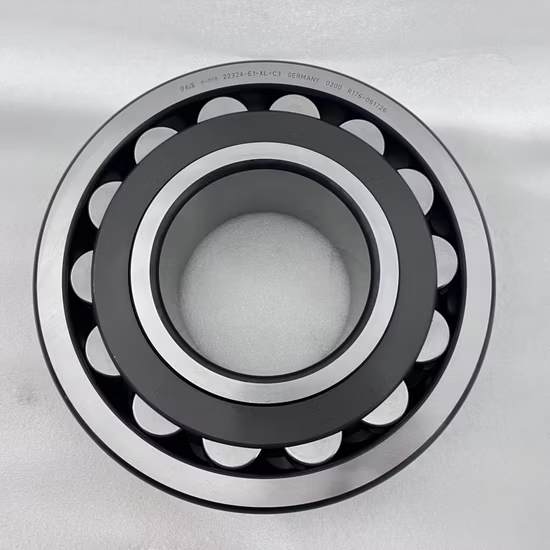

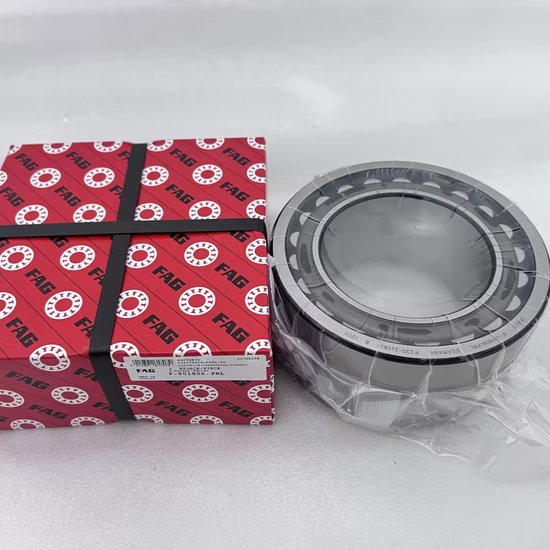
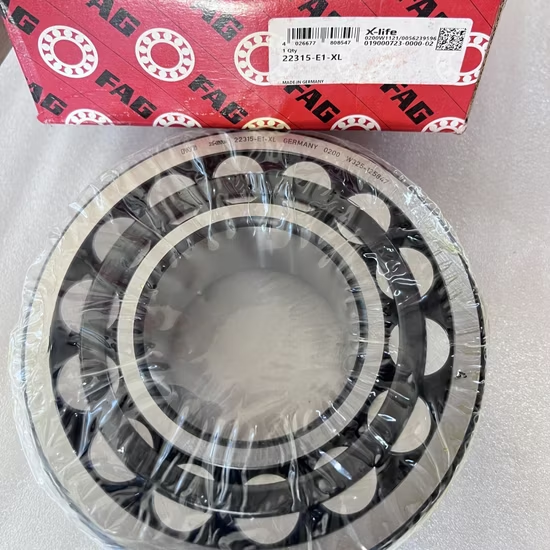
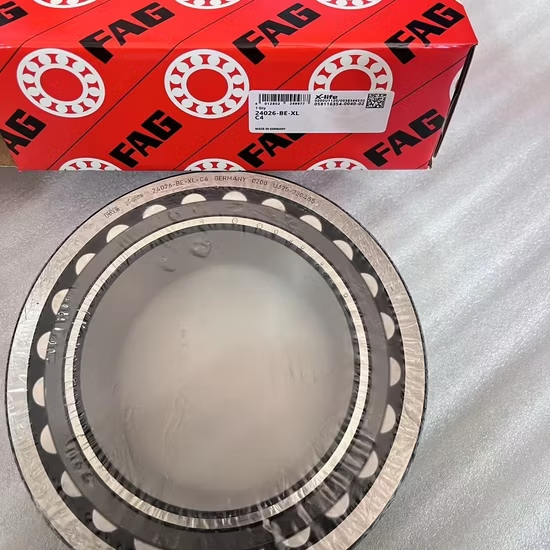
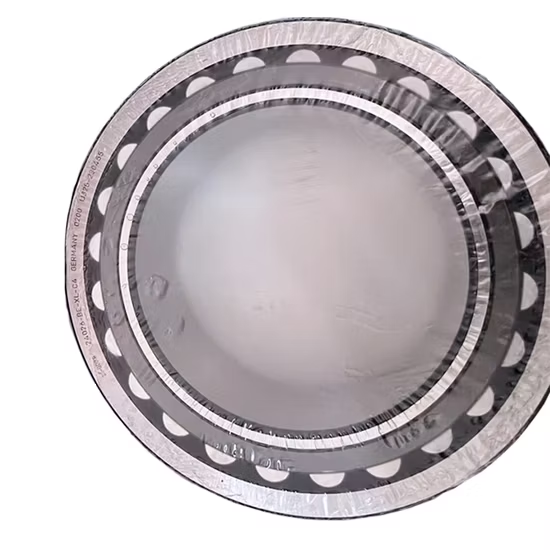
FAG 22208-E1-XL Spherical Roller Bearing — engineered to accommodate shaft misalignment while sustaining heavy radial and moderate axial loads in vibrating screens, crushers, and industrial gearboxes. This design ensures reliable performance under severe operating conditions and continuous shock loads.
Unified Multi-Brand Sourcing — Procure this FAG unit alongside SKF or NSK equivalents in a single consolidated shipment without juggling multiple vendors.
| Parameter | Value |
|---|---|
| Designation | 22208-E1-XL |
| Bearing Type | Spherical Roller Bearing |
| Origin | Germany/Japan/Sweden/Malaysia/China |
| HS Code | 8482500090 |
Note: The E1 and XL suffixes require manufacturer catalog confirmation for specific internal construction and premium quality definitions.
| Industry | Typical Applications |
|---|---|
| Mining and crushing | Vibrating screen exciter mechanisms and jaw crusher eccentric shafts |
| Steel and metallurgy | Continuous casting machine guide rolls and roll neck assemblies |
| Industrial gearboxes | Heavy-duty reducer output shafts subjected to high shock loads |
| Pulp and paper | Paper machine dryer cylinder bearings operating at elevated temperatures |
A precise FAG 22208-E1-XL spherical roller bearing prevents catastrophic thermal binding that generic cross-references often trigger.
In heavy industry, matching only the base number while ignoring internal design variants is a frequent cause of premature failure. I have seen identical base designations seize within weeks on continuous casting guide rolls because the substitute lacked the correct internal geometry for high-temperature expansion. When procurement teams overlook cage material or clearance suffixes, the resulting friction generates excessive heat, ultimately leading to catastrophic cage failure and unplanned downtime .
Selecting the right FAG 22208-E1-XL spherical roller bearing requires looking beyond the catalog number to evaluate the actual operating environment. Our technical team reviews your specific load profiles and thermal conditions to ensure the internal design aligns perfectly with the application. This rigorous cross-reference validation prevents the subtle mismatches that cause equipment to fail under peak operational stress.
Equipment in mining and steel mills faces severe combined loads, heavy shock impacts, and significant thermal gradients. These conditions demand careful attention to thermal expansion, as standard internal clearances will close up and cause binding when operating at elevated temperatures. Proper lubrication flow is equally critical to flush out abrasive particulate matter and maintain a stable hydrodynamic film . Without the correct internal geometry to distribute these intense localized stresses, the rolling elements will rapidly degrade the raceway.
The specific suffix combination on this designation dictates its performance boundaries in demanding applications. The internal construction variant indicated by the suffixes determines how the bearing manages roller guidance and load distribution under heavy radial forces. A stamped steel cage design offers distinct advantages in high-speed or high-vibration environments by reducing overall mass and minimizing inertia, whereas brass cages are typically reserved for severe shock loads. Furthermore, the premium quality designation implies optimized roller profiles and tighter manufacturing tolerances, which collectively reduce operational noise and extend fatigue life. Understanding these nuances ensures the component can withstand the specific mechanical and thermal demands of your machinery.
Installing a dimensionally identical bearing with the wrong internal design inevitably leads to premature failure and voided equipment warranties. The resulting unplanned downtime halts entire production lines, costing significantly more in lost output than the component itself. According to failure analysis frameworks, a significant share of early bearing seizures stems directly from ignoring application-specific suffix requirements during the sourcing phase .
We maintain authorized distribution channels across all major international brands, allowing you to consolidate mixed-brand requirements into a single, traceable order. Our cross-reference process strictly aligns internal design variants, clearance classes, and cage materials, eliminating the risk of installing a dimensionally correct but functionally incompatible substitute. Every batch we supply includes full manufacturer traceability, verified through official authentication applications to guarantee origin. We also provide application-based selection reviews to confirm that the chosen configuration can handle your specific load, speed, and temperature parameters.
Share your specific radial and axial load data, operating speeds, and thermal profiles so our engineering team can validate the L10 life calculation for this exact configuration. If you are replacing an existing component, provide the original OEM equipment number to allow us to perform a comprehensive cross-reference check. This technical review ensures the internal design and clearance class perfectly match your machinery's operational demands.
Q: Why does ignoring the suffix during cross-referencing cause early failure?
A: Base numbers only define the outer dimensions. The suffixes dictate the internal geometry, cage material, and clearance class. Installing a standard internal design in a high-temperature or high-vibration application will cause thermal binding or cage fracture, leading to rapid seizure and unplanned downtime.
Q: How can I verify the authenticity of the delivered batch?
A: Every unit we supply features a unique QR code on the packaging that can be scanned using the manufacturer's official mobile application. This digital verification confirms the production batch, origin, and authenticity, complementing the physical Certificate of Conformity provided with your shipment.
Q: What is the difference between stamped steel and brass cages in vibrating screens?
A: Stamped steel cages are lighter and offer better performance in high-speed or high-vibration environments by reducing inertia. Brass cages are heavier and typically chosen for applications with severe shock loads or where lubrication might be marginal, providing robust roller guidance under extreme mechanical stress.
Q: How do internal design variants like CA, CC, or E1 affect performance?
A: These designations define the roller profile, guiding ring placement, and cage type. Variations alter how the bearing distributes radial loads and accommodates misalignment. Selecting the correct internal geometry is critical for optimizing lubrication film thickness and maximizing fatigue life under specific load conditions.
Q: When should I select a C3 or C4 clearance instead of standard CN?
A: Larger clearances are mandatory when the inner ring is mounted with a heavy interference fit or when the application operates at elevated temperatures. These factors cause the inner ring to expand and the clearance to close; starting with a C3 or C4 ensures sufficient operational clearance remains to prevent thermal binding.
Our 5-step process ensures every order is engineered, validated, and supported for optimal performance.
Technical needs assessment
Custom specifications
Free samples for $50k+
Pre-shipment inspection
On-site & predictive
Our certified engineers respond within 24 hours with detailed technical specifications, pricing, and lead time information.


