01
Consultation
Technical needs assessment


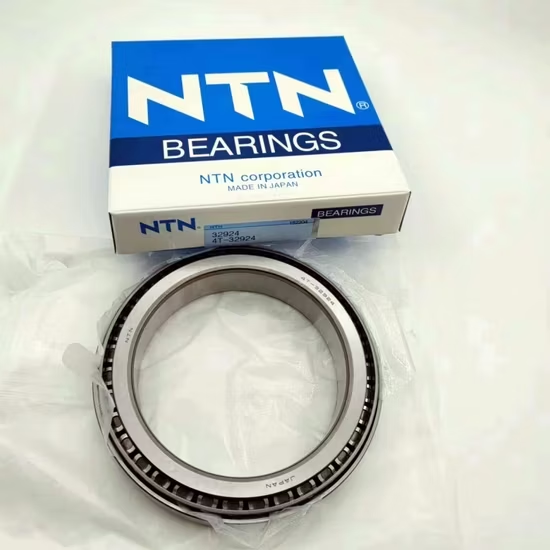
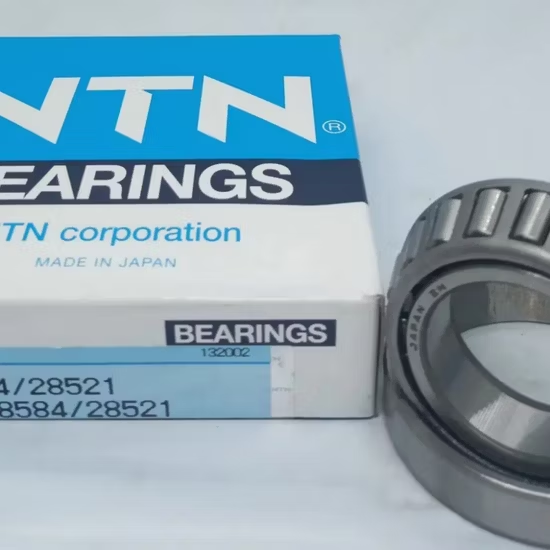
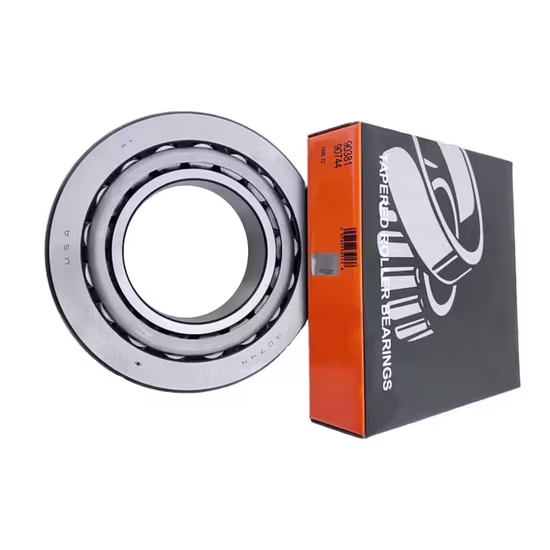
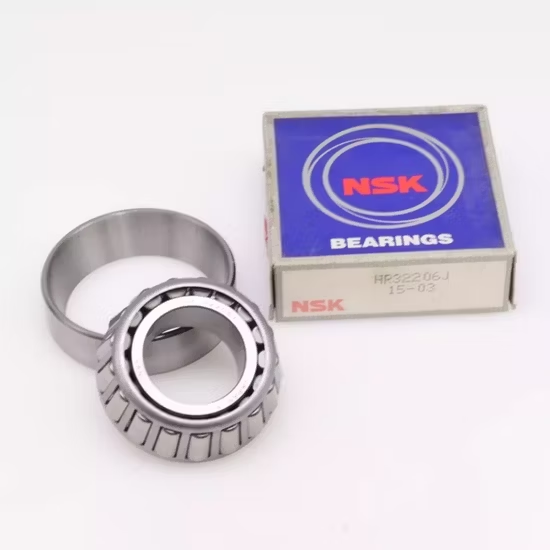
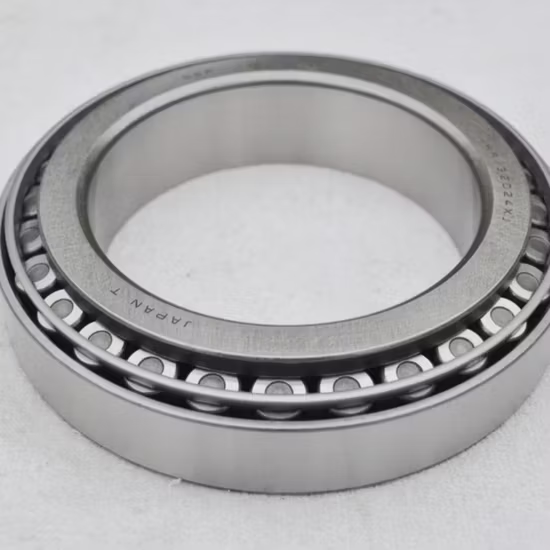
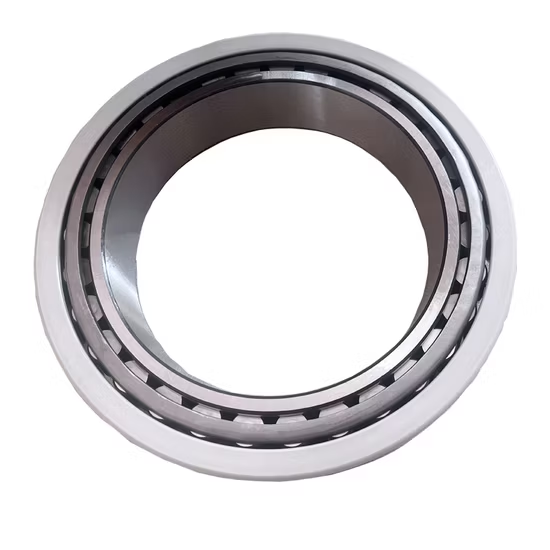
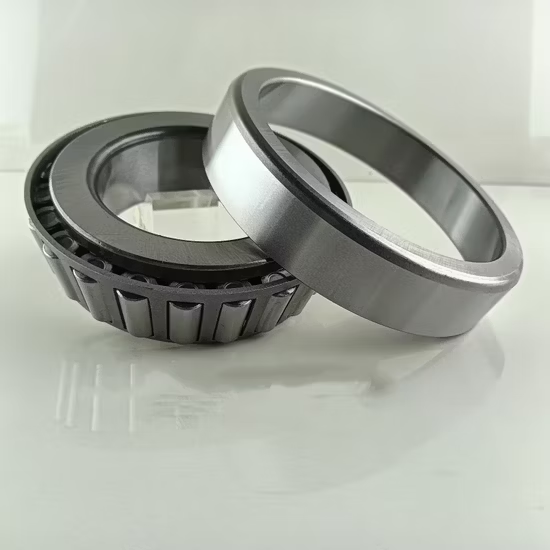
Single Row Tapered Roller Bearing for Heavy-Duty Axles and Gearboxes — engineered with GCr15 steel and P4 precision for demanding mining and metallurgy applications.
Complete Batch Traceability — Every unit ships with manufacturer lot documentation linking directly to the original production run.
| Parameter | Value |
|---|---|
| Product Type | Single Row Tapered Roller Bearing |
| Number of Rows | Single Row |
| Precision Class | P4 |
| Cage Material Options | Nylon, Brass, or Iron |
| Material | GCr15 Bearing Steel |
| Origin | Shanghai |
| Industry | Typical Applications |
|---|---|
| Automotive & Heavy Vehicles | Wheel hub assemblies, truck axle differentials, heavy vehicle repair |
| Mining & Crushing | Vibrating screen eccentric shafts, jaw crusher toggle plates |
| Industrial Power Transmission | Heavy-duty gearbox pinion shafts, conveyor drive pulleys |
| Steel & Metallurgy | Roll neck journal bearings, continuous caster guide rolls |
Assuming the base type is enough guarantees premature field failure under heavy combined loads.
When sorting mixed inventory in a Mexico City warehouse, I witnessed the aftermath of ignoring internal variations in these components. A standard clearance unit installed in a high-heat environment expanded and seized the shaft entirely. In another case, a lightweight stamped cage shattered under the relentless vibration of a rock crusher. Sourcing from a reliable single row tapered roller bearing supplier means verifying the exact internal geometry, not just the outer dimensions, to prevent catastrophic downtime .
Selecting the right single row tapered roller bearing supplier involves looking beyond basic load ratings to match internal materials with the actual operating environment. The high-purity GCr15 steel provides the necessary core hardness for heavy radial and axial loads. However, the cage material must be chosen based on the specific vibration and speed profile of the equipment. Brass cages handle severe vibration and shock loads typical in mining, while nylon options reduce friction in high-speed gearboxes, and iron cages offer structural rigidity for moderate-speed industrial drives.
Heavy machinery operates in environments where temperature fluctuations and particulate contamination are constant threats. In metallurgical applications, ambient heat alters the internal clearance, making the initial selection critical to avoid thermal binding when the equipment reaches operating temperature. Furthermore, mining and crushing environments introduce abrasive dust that degrades lubrication rapidly. Proper seal selection and understanding the relubrication intervals are essential to maintain the rolling contact fatigue life .
The P4 precision class ensures tighter dimensional and running accuracy, which is vital for reducing vibration in high-speed pinion shafts and truck axles. When evaluating material options, standard bearing steel suits most general industrial tasks, but specific environments demand alternatives. For applications involving moisture or chemical exposure, stainless steel variants provide necessary corrosion resistance. In high-temperature zones where standard lubricants fail, ceramic rolling element options can be considered to maintain structural integrity beyond the thermal limits of conventional steel.
Installing a component with mismatched internal clearance or an unsuitable cage material leads to rapid degradation. The resulting unplanned downtime halts entire production lines, turning a minor spare part replacement into a massive financial loss. Catastrophic damage to adjacent shafts and housings often occurs when the component disintegrates under load. Following the failure analysis frameworks outlined in international standards helps identify these root causes, proving that exact specification matching is a financial necessity, not just a technical preference .
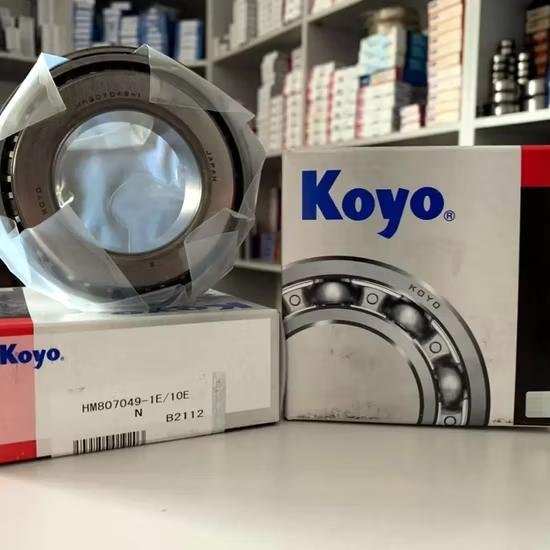
We eliminate the guesswork that plagues standard procurement by enforcing strict cross-reference validation on every order. While others match only the base outline, we verify the exact cage material and clearance class required for your specific thermal and vibrational profile. Our multi-brand authorization means you can consolidate Timken, NSK, NTN, Koyo, and NACHI requirements into one shipment without sacrificing traceability. Every batch is tracked back to the manufacturer, ensuring you receive genuine components that meet the exact P4 precision standards your equipment demands.
To ensure exact specification matching, please provide the equipment model, operating speeds, and the specific radial and axial load profiles. Detail the ambient and operating temperatures, along with any exposure to moisture or abrasive dust, so our engineering team can recommend the optimal cage material and clearance class. Supplying the original OEM equipment numbers allows us to perform a comprehensive cross-reference review to guarantee perfect fitment.
Q: How do I determine the exact designation needed for my equipment?
A: Provide the OEM equipment number, operating speeds, load profiles, and temperature ranges. Our engineering team uses these parameters to calculate the required internal clearance and select the appropriate cage material, ensuring the final designation perfectly matches your specific application demands without relying on guesswork.
Q: Why must clearance and cage material align during cross-referencing?
A: Matching only the base outline ignores critical internal differences. A standard clearance unit will seize under high heat, and a lightweight cage will shatter under heavy vibration. Exact alignment ensures the component survives the specific thermal expansion and mechanical shock profiles of your machinery.
Q: What are common failure modes in heavy-duty mining applications?
A: Abrasive dust contamination degrades lubrication, leading to premature wear, while extreme shock loads can fracture unsuitable cage materials. Thermal binding also occurs if the initial clearance does not account for the high operating temperatures typical in crushing and screening equipment.
Q: How do I select the right cage material for my operating temperature?
A: Brass cages excel in high-vibration, high-temperature environments where structural rigidity is paramount. Nylon cages reduce friction and operate quietly in high-speed, moderate-temperature gearboxes. Iron cages provide a robust, cost-effective solution for standard industrial applications with moderate speed and load conditions.
Q: What documentation verifies the material and origin authenticity?
A: We provide a Certificate of Conformity, material test reports validating the steel composition, and dimensional inspection reports. Additionally, every unit features a QR code verifiable through the manufacturer's official application, ensuring complete batch traceability and confirming the genuine origin of the component.
Our 5-step process ensures every order is engineered, validated, and supported for optimal performance.
Technical needs assessment
Custom specifications
Free samples for $50k+
Pre-shipment inspection
On-site & predictive
Our certified engineers respond within 24 hours with detailed technical specifications, pricing, and lead time information.