01
Consultation
Technical needs assessment


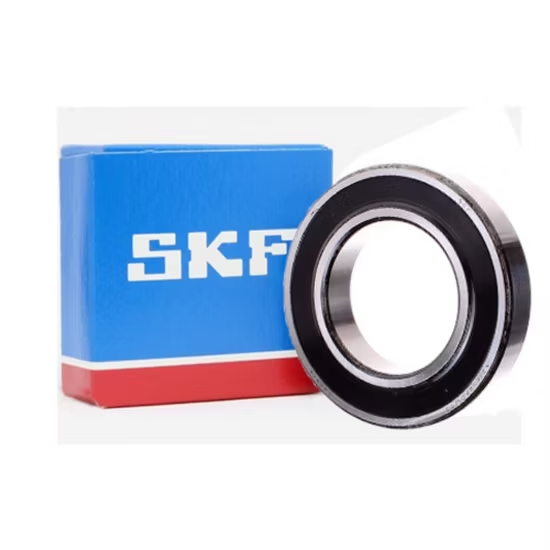


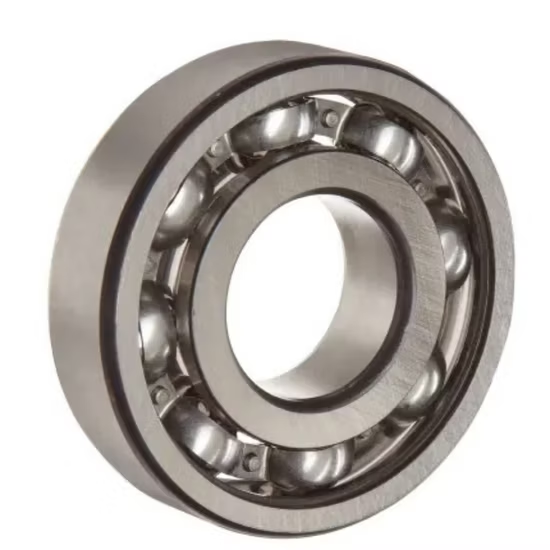
6314 C3 Deep Groove Ball Bearing — engineered with greater than normal radial internal clearance to accommodate thermal expansion and interference fits.
Authenticity QR Verification — Scan the packaging QR code via the brand's official app to instantly confirm the origin and batch traceability of your 6314 C3 deep groove ball bearing.
| Parameter | Value |
|---|---|
| Designation | 6314 C3 |
| Bearing Type | Deep Groove Ball Bearing |
| Bore Diameter (d) | 70 mm |
| Outside Diameter (D) | 150 mm |
| Width (B) | 35 mm |
| Seal or Shield Type | ZZ / 2RS / Open options |
| Clearance Class | C3 |
| Material | GCr15 / Chrome Steel |
| Origin | Japan |
| Industry | Typical Applications |
|---|---|
| Electric Motors | Rotor shaft support in high-temperature motor environments |
| Industrial Gearboxes | Intermediate shaft mounting where thermal expansion occurs |
| Manufacturing Plants | Main drive pulleys on heavy-duty conveyor systems |
| Pumps and Compressors | Impeller shaft stabilization under continuous radial loads |
Standard clearance bearings seize when motor shafts expand under continuous thermal loads.
Procurement teams frequently source replacements by matching the base numeric designation alone, completely overlooking the internal clearance suffix. When a standard CN clearance component is pressed into an electric motor that operates at elevated temperatures, the shaft expands faster than the housing. This differential thermal growth eliminates the internal operating clearance, leading to excessive friction, rapid temperature spikes, and eventual cage failure. Sourcing the correct 6314 C3 deep groove ball bearing prevents these catastrophic thermal binding events .
Selecting the right internal geometry is just as critical as matching the outer dimensions. The 6314 C3 deep groove ball bearing provides the necessary internal room to accommodate shaft expansion in electric motors and gearboxes. Our technical review process ensures that the clearance class, seal type, and cage material align perfectly with your specific operating temperatures and contamination levels, preventing premature seizures.
Heavy radial loads combined with high rotational speeds generate significant internal heat. If the internal cl*der thermal stress. Adequate clearance compensates for the interference fit required during mounting and the subsequent thermal expansion during operation. Selecting the appropriate seal variant—whether non-contact metal shields for lower friction or contact rubber seals for harsh environments—ensures the lubricant remains intact while keeping abrasive particles out .
The C3 suffix indicates a radial internal clearance greater than the standard CN class. This specific design is engineered for applications where the inner ring operates at a noticeably higher temperature than the outer ring, or where heavy interference fits are used on the shaft. The GCr15 chrome steel construction provides the necessary hardness and fatigue resistance for demanding industrial machinery. Depending on the environmental exposure, this configuration is available with ZZ metal shields for basic dust protection, 2RS rubber seals for moisture exclusion, or an open design for applications utilizing external oil bath lubrication.
Installing a standard clearance bearing in a high-heat application inevitably leads to unplanned downtime. The resulting thermal seizure can score the shaft and destroy the housing bore, turning a simple component replacement into a major mechanical overhaul. According to ISO 281 standards, operating a bearing outside its designed clearance parameters drastically reduces its calculated fatigue life. Avoiding these cascading failures requires strict adherence to the exact suffix specifications during the procurement phase .
Mixed-brand orders often result in mismatched internal geometries if suppliers only look at the base number. We verify the C3 clearance and specific seal codes across all requested brands to ensure exact interchangeability. Our batch traceability allows you to verify the Japanese origin and manufacturing lot directly through official channels. We provide comprehensive cross-reference reviews that align the base designation, clearance class, and seal type, eliminating the guesswork that causes field failures.
To ensure the selected configuration matches your exact machinery requirements, please provide the continuous radial and axial loads, operating speeds, and expected thermal gradients. Sharing the specific OEM equipment numbers allows our engineering team to perform a precise cross-reference check, verifying that the internal geometry and sealing arrangements align with the original design parameters.
Q: Why must the C3 clearance suffix be strictly maintained during cross-referencing?
A: Replacing a C3 designated component with a standard CN clearance variant ignores the thermal expansion requirements of the application. In high-temperature environments like electric motors, the shaft expands and eliminates the standard internal room, causing thermal binding and rapid cage failure. Maintaining the exact suffix ensures the bearing can safely accommodate operational heat and mounting interference fits.
Q: How do ZZ shields and 2RS seals differ in friction and protection levels?
A: ZZ metal shields provide non-contact protection against large dust particles while maintaining low friction, making them ideal for high-speed electric motors. In contrast, 2RS rubber seals offer contact-based exclusion of moisture and fine contaminants, which is necessary for harsh environments like conveyors, though they generate slightly higher friction and have lower speed limits.
Q: What is the boundary for choosing C3 over standard CN clearance?
A: Standard CN clearance suits general applications with minimal thermal gradients and standard mounting fits. The C3 designation is required when the inner ring operates at a noticeably higher temperature than the outer ring, or when heavy interference fits are applied to the shaft. The extra internal room prevents the clearance from dropping below zero during thermal expansion.
Q: How can I verify the authenticity of the supplied batch?
A: Every unit is supplied with traceable documentation linking it to the manufacturer's production facilities. You can scan the QR code on the packaging using the brand's official mobile application to instantly verify the batch number, origin, and authenticity, ensuring the components are genuine and meet the required metallurgical standards.
Our 5-step process ensures every order is engineered, validated, and supported for optimal performance.
Technical needs assessment
Custom specifications
Free samples for $50k+
Pre-shipment inspection
On-site & predictive
Our certified engineers respond within 24 hours with detailed technical specifications, pricing, and lead time information.