01
Consultation
Technical needs assessment

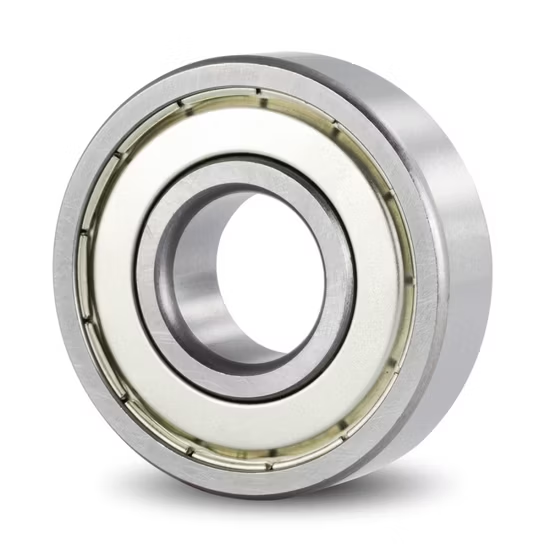
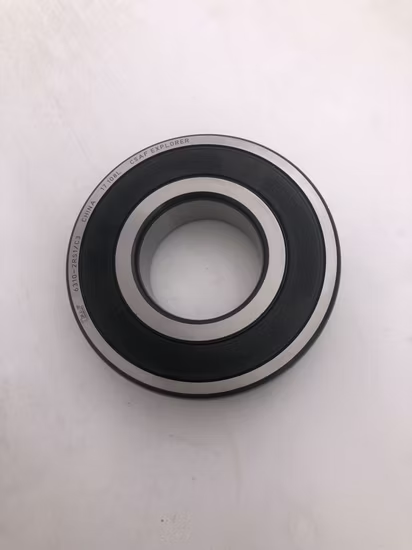
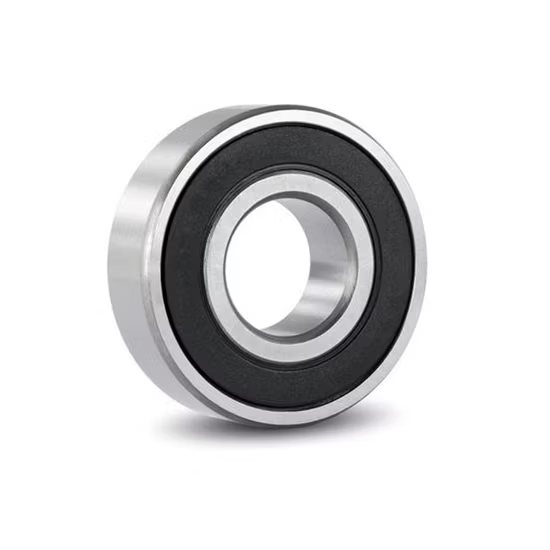


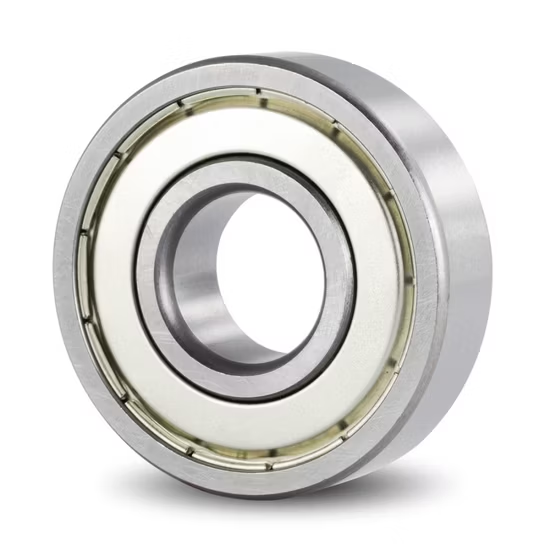
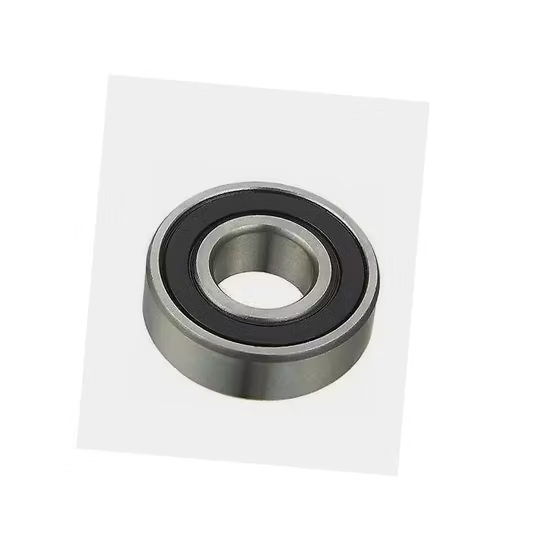
6212 6213 6214 6215 6216 6217 Deep Groove Ball Bearings P4 P5 P6 — offered in open, 2RS, and ZZ variants. The 2RS rubber contact seals ensure maintenance-free contamination protection, while ZZ iron shields suit medium-speed dust prevention. P4, P5, and P6 precision classes guarantee strict dimensional and running accuracy for vibration-sensitive applications.
Full Batch Traceability — Every 6212 6213 6214 6215 6216 6217 deep groove ball bearing ships with manufacturer lot documentation linking directly to the production facility.
| Parameter | Value |
|---|---|
| Designation | 6212 6213 6214 6215 6216 6217 |
| Bearing Type | Deep Groove Ball Bearing |
| Seal or Shield Type | Open, 2RS (Double rubber contact seals), 2Z (Double steel shields) |
| Precision Class | P4, P5, P6 |
| Quality Level | Z1V1, Z2V2, Z3V3, Z4V4 |
| Origin | Germany, Japan, Sweden, Malaysia, China |
| HS Code | 848210 |
| Industry | Typical Applications |
|---|---|
| Electric Motors | Rotor shaft support, cooling fan assemblies, drive end and non-drive end mounts |
| Industrial Gearboxes | High-speed input shafts, intermediate gear shafts, output stage support |
| Pumps & Conveyors | Impeller shaft bearings, idler roller journals, drive pulley shafts |
| Automotive Systems | Alternator rotors, transmission shafts, tensioner pulleys |
Matching the base number is merely the start; ignoring the precision and seal suffixes guarantees field failure.
In my years on the workshop floor in Ningbo, I have dismantled countless electric motors where the 6212 6213 6214 6215 6216 6217 deep groove ball bearing seized catastrophically. The root cause is rarely the steel itself. It is almost always a cross-reference error where a standard P0 grade was substituted for a required P5, or an open bearing was installed in a dusty environment without considering the 2Z shield alternative. Procurement teams often focus solely on the basic designation, overlooking how internal clearance and precision grades interact with thermal expansion . When a high-speed motor runs hot, a bearing lacking the correct precision class will experience excessive vibration, leading to premature cage failure and unplanned downtime.
Selecting the correct variant of the 6212 6213 6214 6215 6216 6217 deep groove ball bearing requires a clear understanding of the contamination level and friction limits. The 2RS rubber contact seals provide excellent protection against moisture and fine dust, making them ideal for agricultural pumps or outdoor conveyors. However, the rubbing contact generates friction heat. If the application involves high-speed electric motor shafts, the 2Z iron shields offer a non-contact barrier that keeps out larger particles while minimizing frictional torque, ensuring the bearing runs cooler and extends its operational life.
High-speed rotor shafts and industrial gearbox input stages generate significant internal heat. When temperatures rise, the inner ring expands more than the outer ring, reducing internal clearance. If a standard clearance bearing is forced into a tight housing fit without accounting for this thermal growth, the bearing will bind and overheat. Furthermore, applications like machine tool spindles or precision automotive alternators demand strict dimensional accuracy. Upgrading to P4 or P5 precision classes ensures that the inner and outer rings maintain exact concentricity, drastically reducing vibration and acoustic noise at elevated rotational speeds.
The suffix string on these bearings dictates their actual field performance. The 2Z designation indicates double steel shields, which retain factory grease and block coarse debris without adding significant drag. Conversely, 2RS1 or 2RSH denotes double rubber contact seals, creating a tight lip seal against the inner ring for superior exclusion of fine particulates and water ingress. The precision classes—P6, P5, and P4—define the dimensional and running accuracy tolerances. While P6 is suitable for general industrial gearboxes, P4 is strictly reserved for high-speed, vibration-sensitive equipment where microscopic runout would otherwise destroy the shaft finish . Additionally, the Z1V1 through Z4V4 quality levels classify the acoustic noise and vibration limits, which is critical for household appliances and premium electric motors.
Substituting a P6 bearing where a P4 was specified might save a fraction on the initial purchase order, but it invites catastrophic damage to the surrounding machinery. In precision spindles, excessive runout from a lower-grade bearing transfers vibration directly to the tooling, ruining surface finishes and voiding equipment warranties. Similarly, ignoring the seal type and installing an open bearing in a contaminated zone leads to rapid abrasive wear. According to ISO 281 life calculation frameworks, contamination drastically reduces the fatigue life factor, turning a multi-year service interval into a matter of weeks .
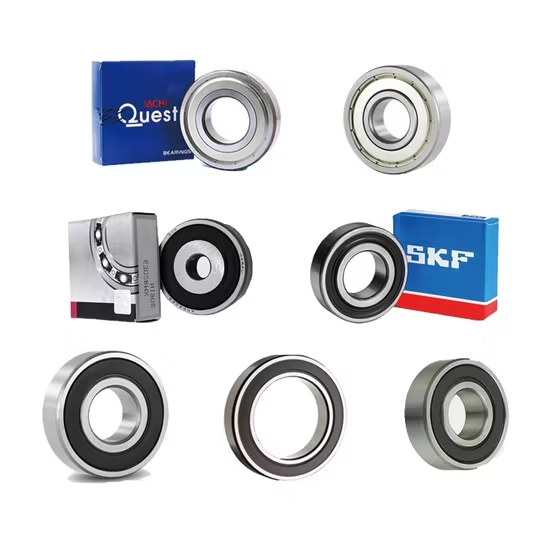
We do not just read base numbers off a purchase order; we verify the entire suffix string against your application parameters. If your OEM manual calls for a C3 clearance with a brass cage, we ensure the cross-reference aligns perfectly, preventing the thermal binding that plagues mismatched replacements. Our inventory covers the full spectrum of P4, P5, and P6 precision grades, so you never have to compromise on running accuracy. Because we hold authorized distribution across all major international brands, a single order can fulfill mixed-brand requirements for your entire maintenance schedule. Every shipment includes batch traceability, allowing your quality team to verify the exact production lot through official brand applications.
To ensure the selected designations perfectly match your machinery, please provide the radial and axial load profiles, operating speeds, and steady-state temperatures. Sharing the exact OEM equipment numbers allows our engineering team to perform a comprehensive cross-reference check, verifying that the clearance, cage material, and precision suffixes align with the original design intent. This technical review prevents specification drift and ensures optimal L10 life calculations for your specific operating conditions.
Q: How do operational differences between 2RS and 2Z affect motor performance?
A: The 2RS rubber contact seals provide superior exclusion of fine dust and moisture, making them ideal for harsh environments, but they generate higher frictional heat. The 2Z iron shields offer a non-contact barrier that minimizes friction and heat buildup, which is critical for maintaining high rotational speeds and extending grease life in electric motor applications.
Q: Why is matching precision suffixes critical during cross-referencing?
A: Base numbers only define the physical envelope. If a P4 precision requirement is overlooked and a standard P0 is installed in a high-speed spindle, the excessive dimensional runout will cause severe vibration, accelerated cage wear, and premature shaft damage. Exact suffix matching ensures the running accuracy aligns with the equipment's dynamic demands.
Q: How do P4, P5, and P6 precision classes compare in running accuracy?
A: P6 provides standard enhanced accuracy suitable for general industrial gearboxes and conveyors. P5 offers tighter dimensional and running tolerances for high-speed electric motors and pumps. P4 delivers the strictest tolerances, ensuring minimal vibration and microscopic runout for highly sensitive machine tool spindles and precision automotive components.
Q: How can we verify bearing authenticity using official QR apps?
A: Every bearing we supply features a unique traceability code. By scanning this code with the manufacturer's official mobile application, your receiving inspectors can instantly verify the production batch, original factory, and authenticity, effectively eliminating the risk of installing counterfeits with soft inner rings that fail under load.
Our 5-step process ensures every order is engineered, validated, and supported for optimal performance.
Technical needs assessment
Custom specifications
Free samples for $50k+
Pre-shipment inspection
On-site & predictive
Our certified engineers respond within 24 hours with detailed technical specifications, pricing, and lead time information.