01
Consultation
Technical needs assessment

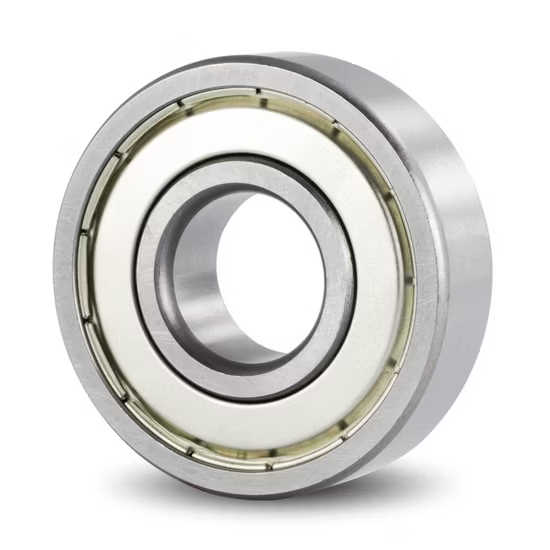


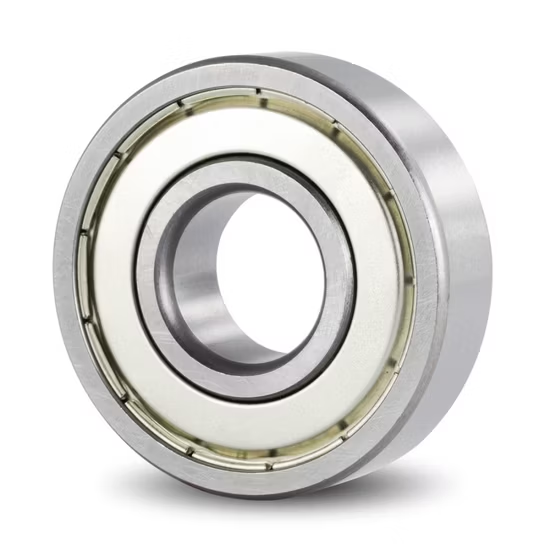

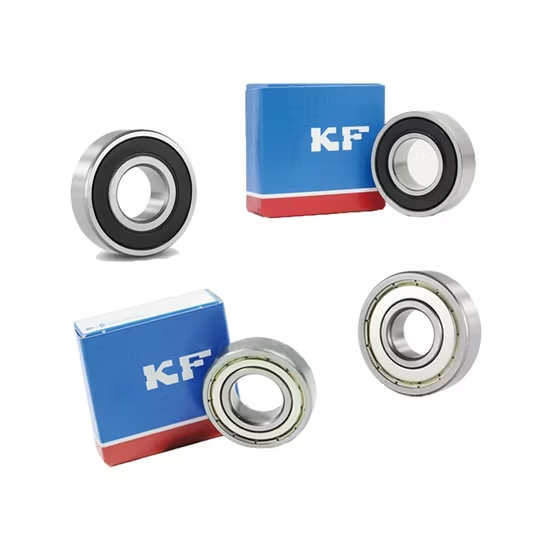
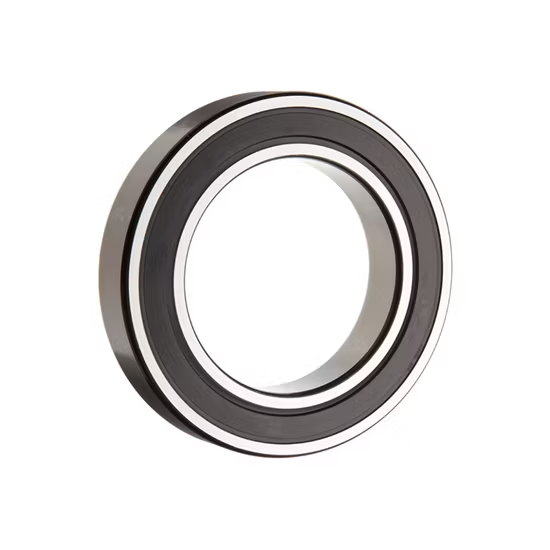
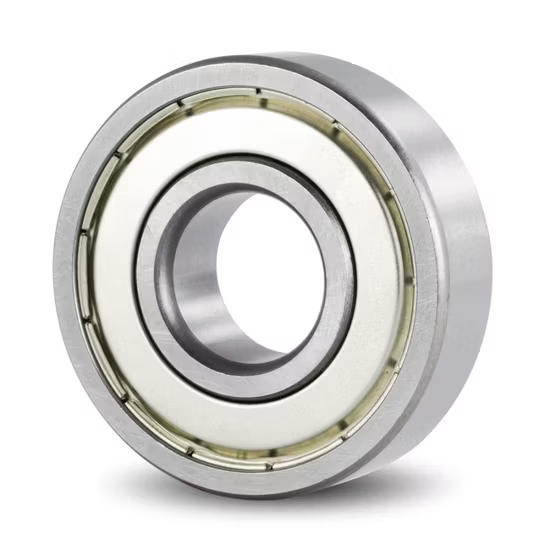
6211 6212 6213 6214 6215 Deep Groove Ball Bearing — bore 55-75 mm, supporting open, rubber seal, and iron shield options.
Multi-brand traceability — Every 6211 6212 6213 6214 6215 deep groove ball bearing shipped includes verifiable batch documentation linking directly to the original manufacturer.
| Parameter | Value |
|---|---|
| Designation | 6211 6212 6213 6214 6215 |
| Bearing Type | Deep Groove Ball Bearing |
| Bore Diameter (d) | 55 mm / 60 mm / 65 mm / 70 mm / 75 mm |
| Outside Diameter (D) | 100 mm / 110 mm / 120 mm / 125 mm / 130 mm |
| Width (B) | 21 mm / 22 mm / 23 mm / 24 mm / 25 mm |
| Seal or Shield Type | Open, Rubber Seals, Iron Seals |
| Noise and Vibration Level | Z1V1, Z2V2, Z3V3, Z4V4 |
| Cage Material | Pressed steel (standard), Brass, Polyamide options |
| Clearance Class | CN (standard), C3, C4 options |
| Precision Class | P0 (standard), P6, P5 options |
| Origin | Germany, Japan, Sweden, Malaysia, China |
| Standards | ISO 15, DIN 620 |
| Industry | Typical Applications |
|---|---|
| Automotive & Heavy Vehicle | Wheel hub assemblies, alternator pulleys, transmission shafts |
| Electric Motors | AC/DC motor rotor shafts, cooling fan drives, servo actuators |
| Industrial Gearboxes | High-speed input shafts, intermediate gear stages, output bearings |
| Material Handling | Conveyor roller idlers, drive pulley shafts, belt tracker units |
Matching the base number is only the beginning of a reliable procurement process.
Procurement engineers often assume that ordering a standard 6211 6212 6213 6214 6215 deep groove ball bearing guarantees fitment, but ignoring suffix variations leads to rapid field failures. I recall sourcing for an industrial motor line where a supplier substituted an open-type bearing for a rubber-sealed requirement; the resulting dust ingress caused rotor lockup within weeks . When the internal clearance or seal type does not match the exact thermal and environmental profile of the equipment, the entire drive train suffers.
Selecting the correct 6211 6212 6213 6214 6215 deep groove ball bearing requires analyzing the specific operating environment. For electric motors, low-friction iron shields or non-contact seals maintain high-speed efficiency, while automotive hub applications exposed to road spray demand robust rubber contact seals. We cross-reference your OEM equipment numbers to ensure the supplied units match the original seal configuration and internal clearance, preventing the thermal binding that occurs when standard CN clearance is forced into high-heat motor applications.
Electric motors and automotive hubs generate significant internal heat, making internal clearance a critical variable. If a standard CN clearance bearing is installed in a high-temperature motor without accounting for shaft expansion, the rolling elements can bind, leading to catastrophic cage failure . Furthermore, environments with heavy particulate matter require a careful balance between seal friction and contamination exclusion; contact rubber seals keep dirt out but generate heat, whereas open bearings rely entirely on external housing seals and regular relubrication cycles to survive.
The 62 prefix designates a standard deep groove geometry optimized for combined radial and axial loads, while the 11 through 15 suffixes dictate bore sizes from 55 mm to 75 mm. Without additional suffixes, the default configuration assumes an open design, standard CN clearance, P0 precision, and a pressed steel cage. Upgrading to a brass cage improves stability under high vibration, while specifying Z3V3 or Z4V4 noise and vibration grades ensures the smooth, quiet operation required for precision servo motors and high-end automotive alternators.
Supplying a standard Z1V1 grade bearing to an OEM that strictly requires Z3V3 for an electric motor application results in immediate rejection during end-of-line acoustic testing. This mismatch causes unplanned downtime, voided warranties, and costly line stoppages . Similarly, ignoring the required noise and vibration level in automotive hub assemblies leads to noticeable cabin noise, damaging the brand reputation of the vehicle manufacturer and forcing expensive recall campaigns.
We authorize distribution across all major international brands, meaning your mixed-brand requirements for a single assembly are fulfilled under one traceable order. Our cross-reference process checks clearance, cage material, and precision suffixes, not just the base number, preventing the thermal binding caused by incorrect internal geometries. Every batch includes verifiable documentation, and our application-based selection review covers load, speed, and temperature to ensure the exact variant is deployed. We eliminate the long lead times typically associated with sourcing specific noise grades or seal combinations from fragmented suppliers.
To ensure the selected units meet your exact operational demands, provide your radial and axial load profiles, operating speeds, and thermal conditions for a comprehensive L10 life calculation. If you are replacing existing units, share the OEM equipment numbers or the exact suffix string printed on the old bearing for a precise cross-reference review. Our engineering team will validate the seal type and clearance class against your specific application parameters before finalizing the order.
Q: What is the selection boundary between rubber seals and iron shields for electric motors?
A: Iron shields provide non-contact dust protection with minimal friction, ideal for high-speed, clean environments. Rubber seals offer contact sealing against moisture and heavy contaminants but generate higher friction and heat. The choice depends on the motor's cooling capacity and the specific contamination risks in the operating environment.
Q: How do Z1V1 to Z4V4 grades correspond to specific motor requirements?
A: Z1V1 is suitable for general industrial gearboxes where noise is secondary. Z3V3 and Z4V4 are strictly required for precision electric motors, servo actuators, and automotive alternators where acoustic emission and vibration must be minimized to prevent resonance and ensure smooth, quiet operation at high rotational speeds.
Q: How do I confirm the required internal clearance to avoid thermal binding in hubs?
A: Automotive hubs and high-temperature motors often require C3 or C4 clearance to accommodate shaft expansion and tight interference fits. We verify the exact clearance requirement by analyzing your operating temperature range and mounting tolerances, ensuring the bearing does not lose its internal play during operation.
Q: What is the batch traceability process for multi-origin supply chains?
A: Every bearing we supply includes a batch number linked to the manufacturer's production facility. You can verify authenticity by scanning the QR code using the brand's official mobile application, which confirms the origin, whether it is Germany, Japan, Sweden, Malaysia, or China, and validates the production date.
Q: How do we handle suffix completion when the OEM requires a specific cage or precision?
A: If your equipment demands a brass cage for high vibration or P6 precision for tight tolerances, we map the base 6211 through 6215 designations to the correct manufacturer suffixes. We provide the exact cross-reference equivalents across authorized brands to ensure the internal design matches your technical requirements.
Our 5-step process ensures every order is engineered, validated, and supported for optimal performance.
Technical needs assessment
Custom specifications
Free samples for $50k+
Pre-shipment inspection
On-site & predictive
Our certified engineers respond within 24 hours with detailed technical specifications, pricing, and lead time information.