01
Consultation
Technical needs assessment


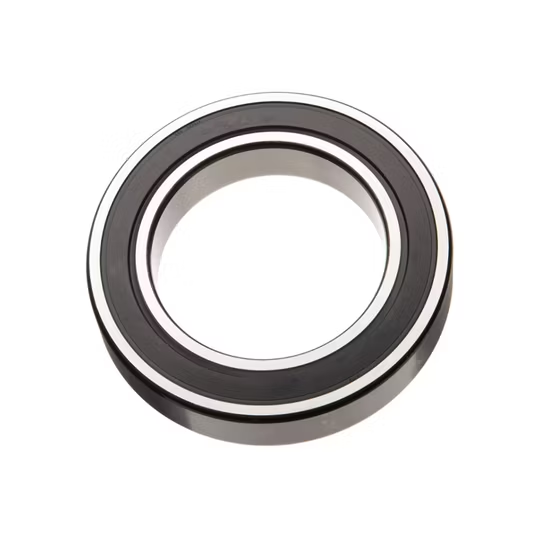
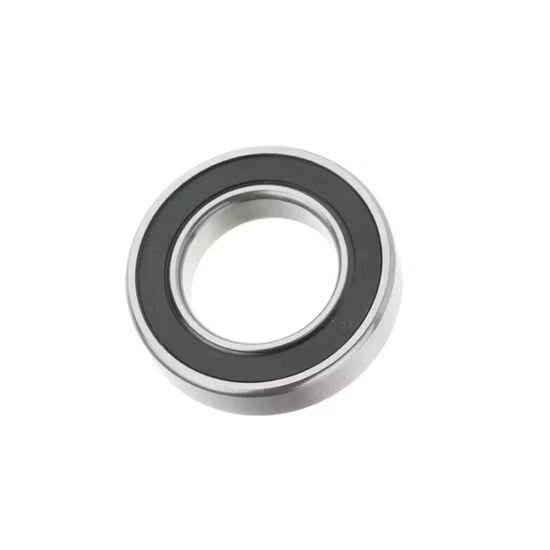
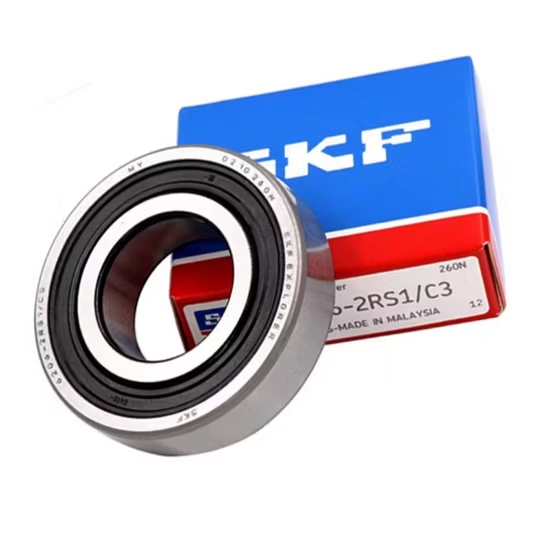


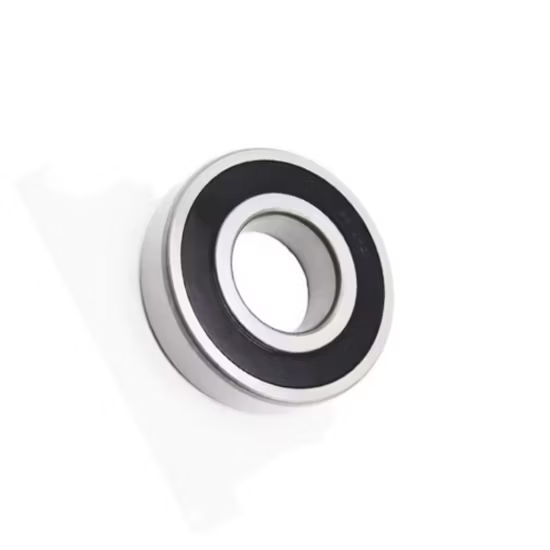
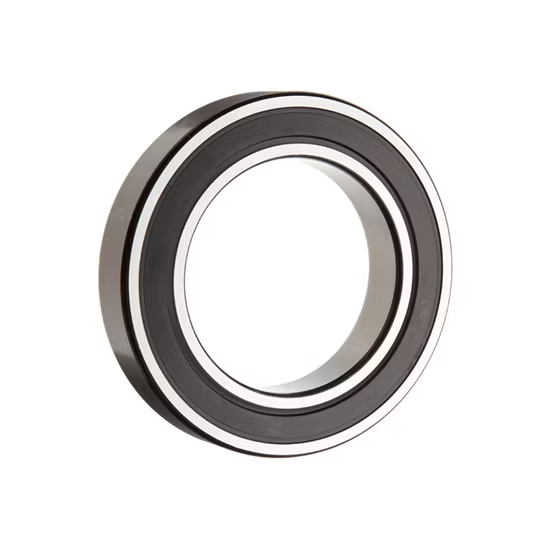
6202-2RS Deep Groove Ball Bearing features a single row structure and GCr15 bearing steel construction, delivering reliable radial load capacity for electric motors, pumps, and industrial gearboxes. Available in multiple precision classes to match specific application tolerances.
Multi-brand authorized coverage — Consolidate mixed-brand procurement for your motor and pump assemblies without coordinating multiple suppliers for this specific deep groove ball designation.
| Parameter | Value |
|---|---|
| Designation | 620 |
| Bearing Type | Deep Groove Ball Bearing |
| Number of Rows | Single Row |
| Seal or Shield Type | 2RS |
| Material | GCr15 |
| Precision Class | P0, P6, P5, P4, P2 |
| Origin | Shanghai |
| Industry | Typical Applications |
|---|---|
| Electric Motors | Rotor shaft support, cooling fan drives |
| Industrial Gearboxes | Input/output shaft mounting, auxiliary drive assemblies |
| Material Handling | Conveyor roller idlers, belt drive tensioners |
| Pumps | Impeller shaft support, seal chamber bearings |
Not all contact seals are engineered identically, and visual similarities often mask critical design differences.
In the Yangtze River Delta manufacturing workshops, I have dismantled countless electric motors that suffered premature seizure. The root cause frequently traces back to a 6202-2RS deep groove ball bearing where the seal lip geometry generated excessive friction heat, degrading the grease long before the steel fatigued. Sourcing based solely on the base number ignores the nuanced seal contact profiles required for specific RPM and temperature envelopes . When procurement teams overlook these subtle suffix variations, the resulting thermal binding leads to catastrophic downtime.
Electric motors and industrial pumps demand reliable radial load support with minimal friction. The 6202-2RS deep groove ball bearing provides this baseline performance, but achieving optimal service life requires matching the internal clearance and precision class to the exact operating temperature and shaft tolerance. Our technical review process ensures the selected configuration aligns perfectly with your specific equipment parameters.
High-speed motor shafts generate significant heat, making internal clearance selection critical to prevent the bearing from tightening under thermal expansion. While the 2RS contact seal offers excellent protection against dust and moisture ingress in conveyor environments, it also introduces friction that limits maximum permissible speeds. Balancing the sealing effectiveness against the thermal limits of the grease requires careful evaluation of the application's ambient temperature and contamination levels .
The GCr15 bearing steel provides the necessary hardness and fatigue resistance for standard industrial loads. While the P0 to P2 precision options allow for fine-tuning to specific vibration and noise requirements, the 2RS suffix indicates a dual rubber seal configuration, though it remains an unverified suffix requiring manufacturer catalog confirmation for exact lip design details. Furthermore, installing a standard CN clearance in an application that demands C3 for thermal expansion is a frequent error that leads to rapid internal preload and subsequent cage failure.
Substituting a bearing based purely on outer dimensions while ignoring internal geometry or seal friction characteristics inevitably leads to unplanned downtime. According to failure analysis frameworks like ISO 15243, a significant share of premature failures stems from incorrect application matching rather than material defects. When a standard precision component is forced into a high-speed spindle role, or when a high-friction seal is used in a high-RPM motor, the resulting heat generation destroys the lubricant, causing catastrophic damage to the shaft and housing .
Counterfeit bearings with soft inner rings and cloned QR codes frequently bypass casual visual inspections, leading to rapid spalling in the field. We eliminate this risk by providing batch traceability directly to the manufacturer's production facilities for every 6202-2RS unit. Cross-brand interchange is executed by verifying the seal type, clearance, and precision simultaneously, not just the base designation. Our application-based selection review prevents the costly mistake of mismatching the 2RS seal friction profile with your motor's speed requirements.
To ensure the selected configuration matches your exact operational demands, please provide your radial and axial load profiles, operating speeds, and thermal conditions for a comprehensive L10 life calculation. Sharing the OEM equipment part numbers allows our engineering team to perform a precise cross-reference check, verifying that the seal friction and internal clearance align perfectly with the original design intent.
Q: How can I verify the authenticity of the 6202-2RS using official QR codes?
A: Authenticity is confirmed by scanning the QR code on the packaging using the specific brand's official mobile application. This digital verification links the physical bearing to the manufacturer's batch traceability database, confirming the GCr15 material origin and the exact 2RS seal configuration, effectively filtering out counterfeits with cloned labels and soft inner rings.
Q: Why must seal types and precision classes be matched during cross-referencing?
A: Matching only the base designation often overlooks critical internal differences. A 2RS seal from one brand might have a different lip contact angle than another, altering friction and speed limits. Similarly, substituting a P0 precision bearing where a P4 is required causes excessive vibration. We verify seal geometry, clearance, and precision simultaneously to ensure exact functional equivalence.
Q: What are the application boundaries for standard versus high precision classes?
A: Standard precision classes like P0 and P6 are suitable for general electric motors and gearboxes where moderate vibration is acceptable. Higher precision classes such as P4 and P2 are strictly required for machine tool spindles and high-speed measuring equipment, where minimal radial runout and strict dimensional tolerances are critical to prevent thermal binding and ensure machining accuracy.
Q: How should I interpret unverified suffixes and confirm exact specifications?
A: When a suffix like 2RS is listed as unverified, it indicates that the exact internal seal lip design or material compound requires confirmation against the specific manufacturer's current engineering catalog. We resolve this by cross-referencing the application parameters with the brand's official technical documentation to guarantee the seal friction and contamination protection match your operational environment.
Q: What mounting practices prevent premature failure in these deep groove ball bearings?
A: For the 6202 series, always use induction heating for the inner ring to avoid mechanical damage to the raceways. Never apply mounting force through the rolling elements or the 2RS seals, as this will permanently deform the seal lips and destroy the internal clearance. Ensure the shaft and housing tolerances are strictly maintained to prevent excessive preload during assembly.
Our 5-step process ensures every order is engineered, validated, and supported for optimal performance.
Technical needs assessment
Custom specifications
Free samples for $50k+
Pre-shipment inspection
On-site & predictive
Our certified engineers respond within 24 hours with detailed technical specifications, pricing, and lead time information.