01
Consultation
Technical needs assessment

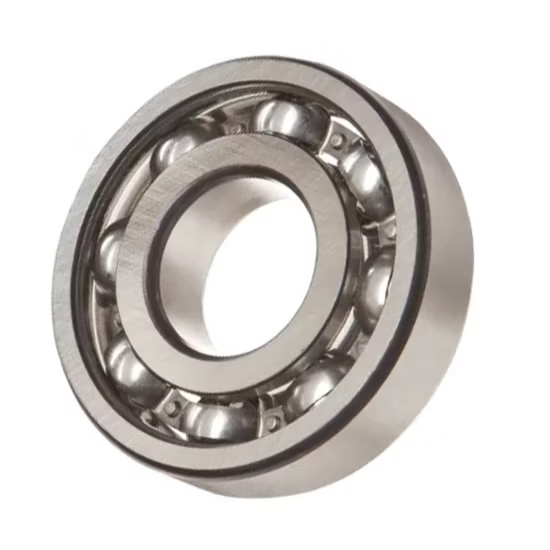
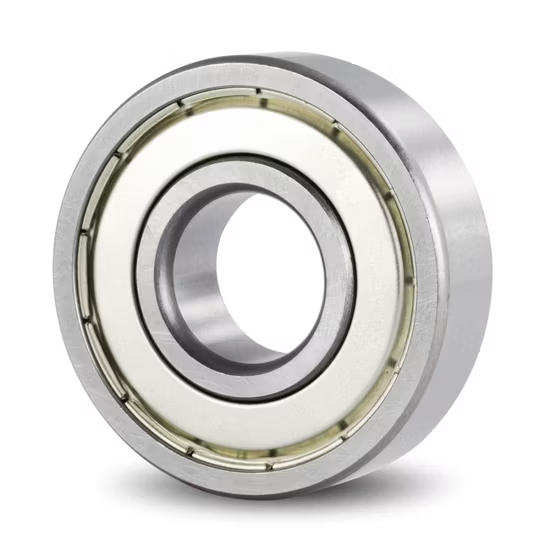
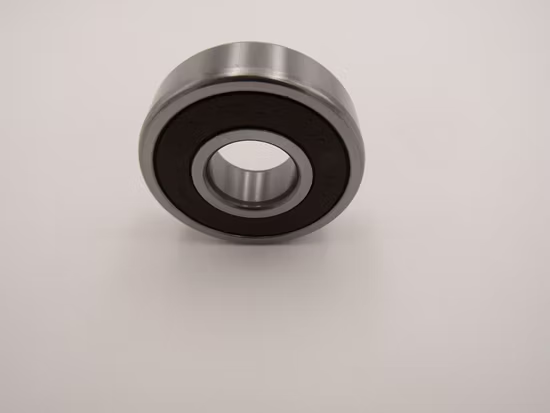
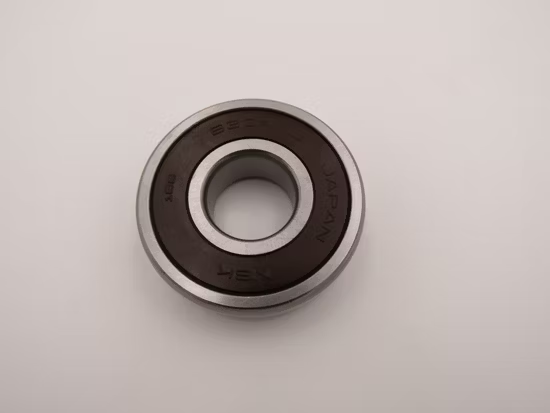
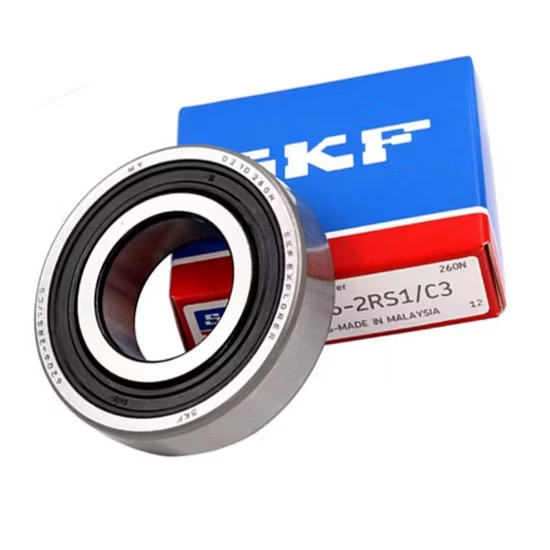
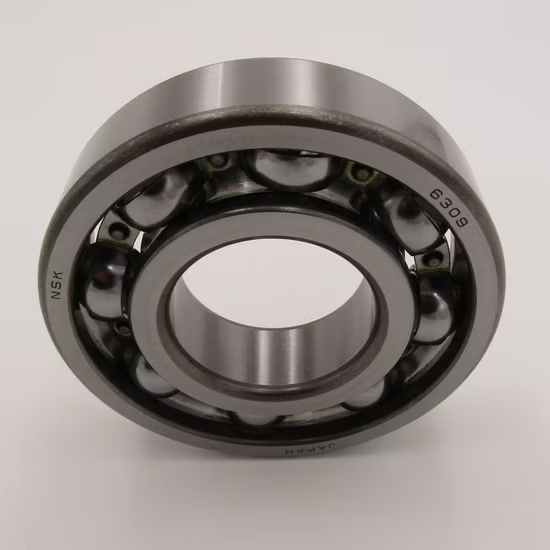
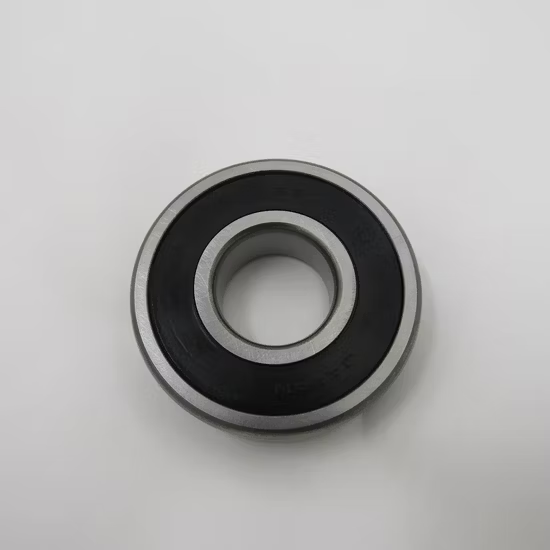
6016 6017 6018 6019 6020 Deep Groove Ball Bearings — offered in open, rubber seal, and iron shield configurations to match specific contamination boundaries. Covering Z1V1 to Z4V4 noise and vibration grades, these units ensure stable operation in electric motors and gearboxes.
Multi-brand authorized coverage — consolidating your 6016 6017 6018 6019 6020 deep groove ball bearing requirements across SKF, FAG, or NSK into a single shipment eliminates multi-vendor coordination delays.
| Parameter | Value |
|---|---|
| Designation | 6016 6017 6018 6019 6020 |
| Bearing Type | Deep Groove Ball Bearing |
| Seal or Shield Type | Open, Rubber Seals, Iron Seals |
| Noise and Vibration Grade | Z1V1, Z2V2, Z3V3, Z4V4 |
| Feature | Low Noise, High Speed, Long Service Life |
| Origin | Germany, Japan, Sweden, Malaysia, China |
| HS Code | 848210 |
| Industry | Typical Applications |
|---|---|
| Electric Motors | Rotor shaft radial support in high-speed AC and DC motors |
| Industrial Gearboxes | Input and output shaft journal support under continuous radial loads |
| Pumps and Conveyors | Impeller shaft and drive roller bearing journals |
| Household Appliances | Spindle and fan motor assemblies requiring silent operation |
Matching the base number without verifying the suffix is the fastest route to thermal binding.
I spent years on the shop floor in the Yangtze River Delta watching perfectly good machinery seize up. A classic scenario involves installing a standard clearance unit where thermal expansion demands extra internal clearance, leading to catastrophic failure within weeks . Procurement teams often focus solely on the base designation, ignoring that a 6016 6017 6018 6019 6020 deep groove ball bearing requires exact alignment of seals and internal geometry to survive the actual operating environment.
Selecting the correct configuration for a 6016 6017 6018 6019 6020 deep groove ball bearing goes far beyond checking the bore and outer diameter. Electric motors demand low noise and vibration grades, while industrial gearboxes prioritize robust sealing against gear oil contamination. We review your specific radial loads and operating speeds to ensure the selected seal type and internal clearance perfectly match the equipment's actual duty cycle.
High-speed motor rotors generate significant internal heat, which reduces internal clearance during operation. If a standard clearance is fitted into an application with tight housing tolerances and high thermal gradients, the rolling elements will bind. Conversely, conveyor drive rollers face heavy particulate ingress, making the choice between rubbing rubber seals and non-contact iron shields critical for balancing friction and protection .
The Z1V1 through Z4V4 quality levels dictate the acoustic and vibrational output of the bearing, which is paramount for household appliances and precision electric motors. Open variants rely entirely on external housing seals and regular relubrication, whereas rubber-sealed units provide superior moisture protection at the cost of slightly higher friction. Iron shields offer an excellent middle ground for gearboxes, keeping large debris out while allowing higher limiting speeds than contact seals.
Installing counterfeit units with soft inner rings or incorrect internal geometries leads to unplanned downtime and catastrophic damage to adjacent shaft components. When a bearing fails prematurely due to cloned QR codes or substandard heat treatment, the resulting warranty voidance and production halts far outweigh any initial unit cost savings .
We prevent cross-reference errors by verifying not just the base number, but the exact seal and clearance requirements for your specific machinery. Our authorization across major international brands means you can source mixed-brand requirements in one order without sacrificing batch traceability. Every shipment includes verifiable documentation, ensuring you never receive units with soft inner rings that pass casual visual inspections but fail under load.
To ensure accurate selection and cross-reference verification, please provide the specific radial and axial loads, operating speeds, and thermal conditions of your application. If you are replacing existing units, sharing the exact OEM equipment number or the full designation printed on the current bearing allows our engineering team to confirm the precise internal geometry and seal requirements.
Q: Why does a matching base number still result in field failure?
A: A matching base number only confirms the physical dimensions. If the internal clearance or seal type differs from the equipment's design requirements, thermal expansion or contamination will cause premature failure. We verify all suffixes to ensure complete compatibility with your specific operating environment.
Q: How do rubber seals and iron shields differ in motor applications?
A: Rubber seals provide excellent protection against moisture and fine dust but generate slightly higher friction. Iron shields offer lower friction for higher speed limits while keeping larger debris out. The choice depends on the specific contamination level and speed requirements of your electric motor.
Q: What is the practical difference between Z1V1 and Z4V4 grades?
A: These grades define the noise and vibration limits of the bearing. Z1V1 is suitable for general industrial gearboxes where noise is less critical, while Z4V4 is strictly required for precision spindles and household appliances demanding ultra-silent, smooth operation at high speeds.
Q: How can I verify the authenticity of the bearings received?
A: Every unit we supply features batch traceability and a unique QR code. You can scan this code using the brand's official mobile application to instantly verify the origin and specifications, effectively eliminating the risk of counterfeit products with soft inner rings.
Q: What is the correct mounting method for these medium-sized bearings?
A: For medium-sized deep groove ball bearings with cylindrical bores, induction heating is the recommended mounting method. This ensures uniform thermal expansion for a smooth fit onto the shaft without applying mechanical force that could damage the raceways or compromise the internal clearance.
Our 5-step process ensures every order is engineered, validated, and supported for optimal performance.
Technical needs assessment
Custom specifications
Free samples for $50k+
Pre-shipment inspection
On-site & predictive
Our certified engineers respond within 24 hours with detailed technical specifications, pricing, and lead time information.