01
Consultation
Technical needs assessment

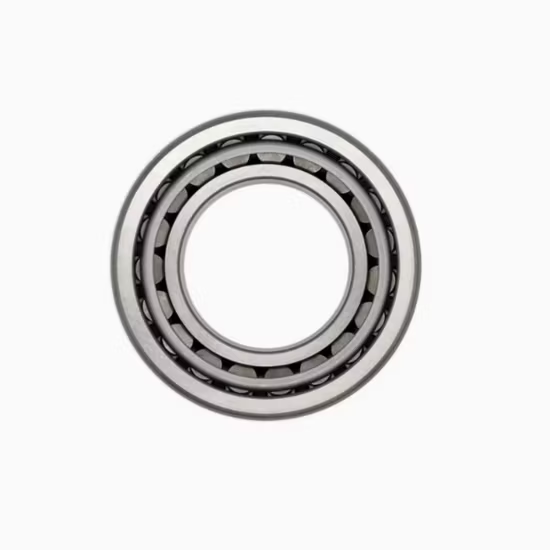
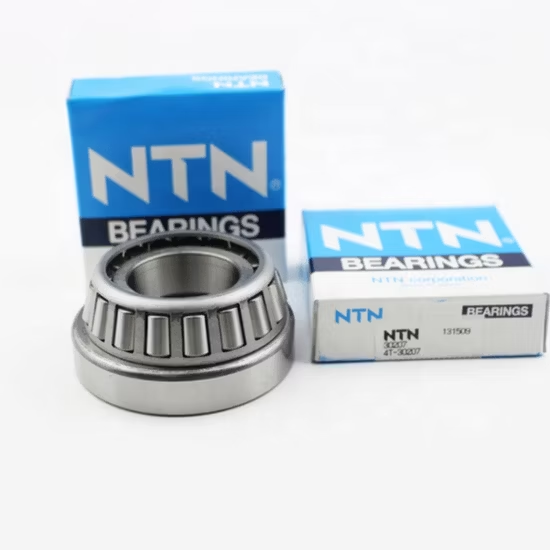

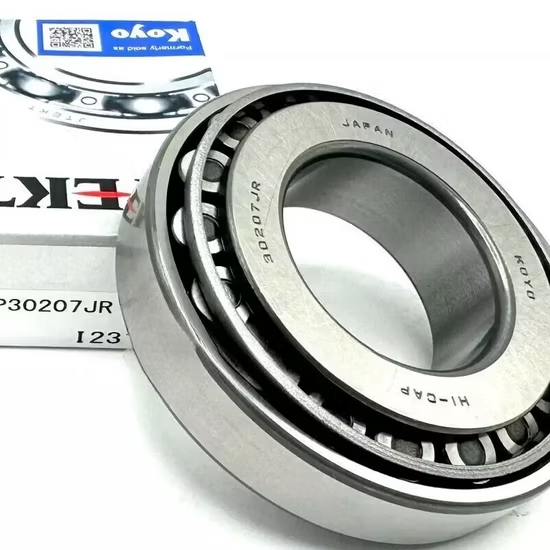
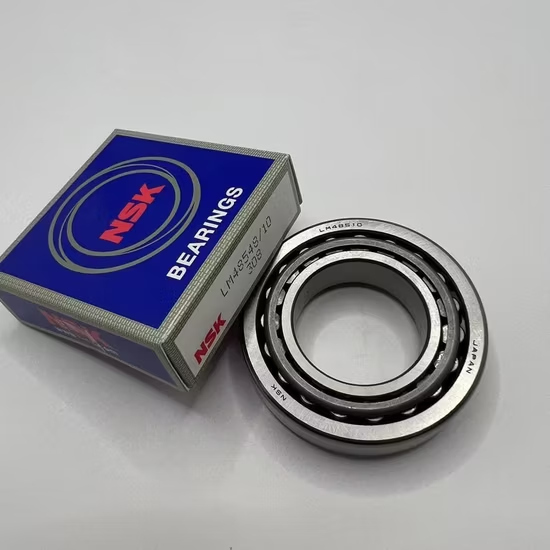

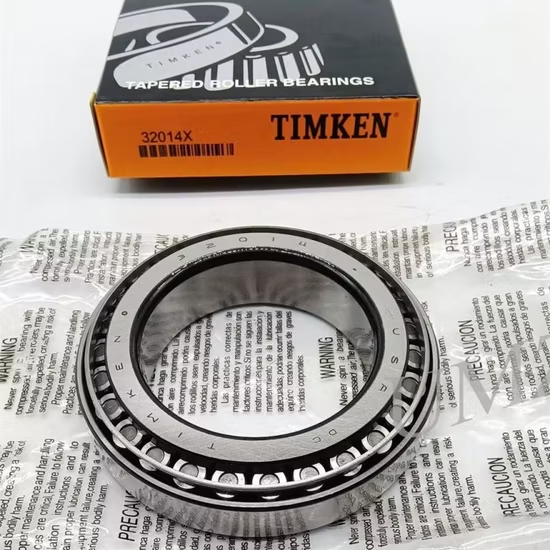
32048 32052 Tapered Roller Bearing P4 — Single row configuration supports combined radial and axial loads, while P4 precision ensures tight running accuracy for demanding industrial gearboxes and heavy machinery applications.
Three-way cross-reference alignment — verifying base number, internal clearance, and cage material prevents thermal binding in heavy-duty gearboxes.
| Parameter | Value |
|---|---|
| Designation | 32048 32052 |
| Bearing Type | Tapered Roller Bearing |
| Number of Rows | Single Row |
| Precision Class | P4 |
| Material | GCr15 (High Carbon Chromium Bearing Steel) |
| Cage Material | Available in nylon, brass, or iron variants |
| Origin | Germany, Japan, Sweden, Malaysia, or China |
| Industry | Typical Applications |
|---|---|
| Industrial Gearboxes | Main shaft support and heavy-load transmission stages |
| Heavy Machinery | Track drive assemblies and structural pivot joints |
| Manufacturing Plants | Material handling conveyors and overhead crane hoists |
Matching the basic designation without verifying internal clearance and cage design guarantees premature seizure under thermal expansion.
Sourcing based purely on the base number ignores the critical suffixes that dictate operational survival. In heavy equipment, installing a standard clearance variant where thermal expansion demands extra internal clearance leads to rapid overheating. Furthermore, counterfeit units with soft inner rings often pass casual visual checks but collapse under combined radial and axial loads . True reliability requires validating the exact cage material and precision grade against the specific operational environment.
Selecting the correct 32048 32052 tapered roller bearing requires aligning the P4 precision rating and cage options with the actual duty cycle. While the base size handles the physical envelope, the internal geometry dictates performance. Our technical review process ensures that the selected variant matches the specific speed, load, and temperature profile of your gearboxes or heavy machinery, preventing the costly mismatch of standard parts in demanding applications.
Large-bore tapered roller bearings in industrial gearboxes endure immense combined loads and significant heat generation. If the internal clearance is not specified to accommodate thermal expansion from the housing and shaft, the rolling elements will bind, causing catastrophic cage failure. Lubrication breakdown at elevated temperatures further accelerates wear, making the correct cage material—whether brass for high vibration or nylon for lower friction—essential for maintaining the lubricant film .
The P4 precision class ensures tighter dimensional and running accuracy, which is vital for minimizing vibration in high-speed transmission stages. The GCr15 bearing steel provides the necessary core hardness and wear resistance for heavy-load environments. Because operational conditions vary, these bearings are available in nylon, brass, or iron cage variants. Brass cages offer superior durability under high vibration and shock loads, while engineered polymer cages reduce friction and weight in continuous moderate-speed operations.
Overlooking suffix details or accepting unverified stock inevitably leads to unplanned downtime and catastrophic damage to adjacent shafts and housings. A bearing that fails prematurely due to incorrect clearance voids equipment warranties and halts entire production lines. According to standardized failure analysis frameworks, a significant share of early failures stems directly from application mismatch rather than manufacturing defects . The financial impact of a seized gearbox far exceeds the initial component cost.
We eliminate the risk of receiving counterfeit units with cloned QR codes by supplying strictly through authorized, batch-traceable channels. Our cross-reference protocol verifies not just the base number, but the exact clearance, cage material, and precision suffixes required by your OEM equipment. This prevents the common error of installing standard clearance parts in high-heat applications. Every shipment includes full documentation, ensuring your maintenance team receives genuine components ready for immediate, reliable installation.
To ensure optimal performance, provide your specific radial and axial load profiles, operating speeds, and ambient temperature ranges. Sharing the exact OEM equipment number allows our engineering team to perform a precise cross-reference check, verifying that the clearance and cage options match the original design intent. This technical validation guarantees you receive the exact configuration required for your application.
Q: How can I verify the authenticity of the received bearings?
A: Every unit is supplied with batch traceability and a unique QR code. You can scan this code using the official mobile applications provided by the original manufacturers. This direct digital verification confirms the production origin and prevents the installation of counterfeit components with soft inner rings that frequently cause unexpected field failures.
Q: Why must cross-referencing include cage material and precision?
A: Matching only the base designation ignores critical operational limits. A standard cage might fail under high vibration, while incorrect precision affects running accuracy. Verifying these specific suffixes ensures the replacement part handles the exact thermal and mechanical loads of your machinery, preventing premature seizure and protecting expensive adjacent components from catastrophic damage.
Q: What are the selection boundaries between the cage options?
A: Brass cages are typically selected for heavy shock loads and high-vibration environments due to their structural strength. Nylon variants are preferred for continuous, moderate-speed operations where reducing friction and operating temperature is the priority. Iron cages serve general-purpose applications. The final choice depends on the specific thermal and mechanical demands of your equipment.
Q: How does P4 precision compare to standard grades?
A: P4 precision provides significantly tighter dimensional and running accuracy compared to standard P0 grades. This enhanced accuracy minimizes vibration, reduces operational noise, and ensures a more uniform load distribution across the rolling elements. It is particularly critical in high-speed gearboxes where slight deviations can lead to accelerated fatigue and reduced service life.
Q: What mounting practices are recommended for these large bearings?
A: Due to their large bore size, induction heating is the recommended method for mounting the inner rings onto shafts. It is crucial to monitor the heating temperature strictly to avoid altering the metallurgical properties of the GCr15 steel. Proper cooling and subsequent clearance checks are necessary to ensure the bearing operates within its designed thermal expansion limits.
Our 5-step process ensures every order is engineered, validated, and supported for optimal performance.
Technical needs assessment
Custom specifications
Free samples for $50k+
Pre-shipment inspection
On-site & predictive
Our certified engineers respond within 24 hours with detailed technical specifications, pricing, and lead time information.