01
Consultation
Technical needs assessment

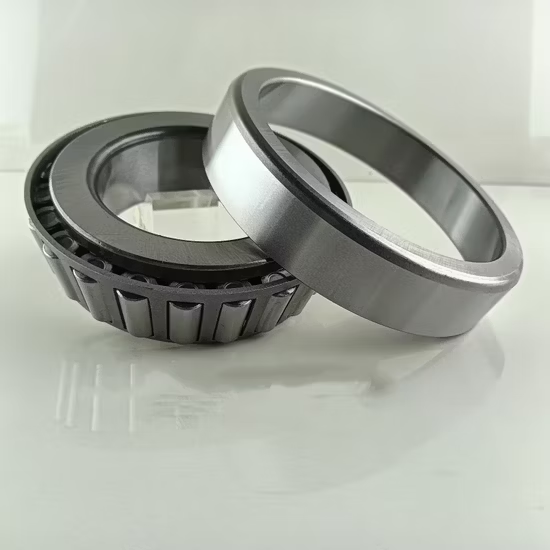
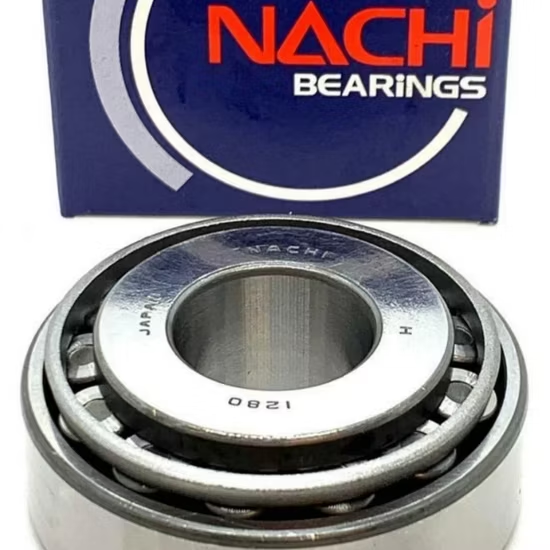
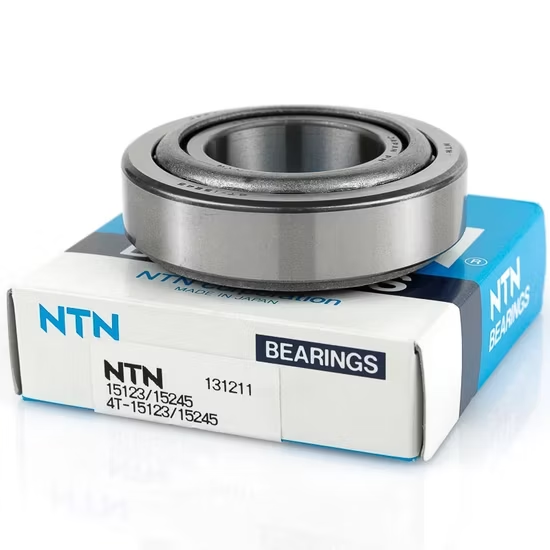
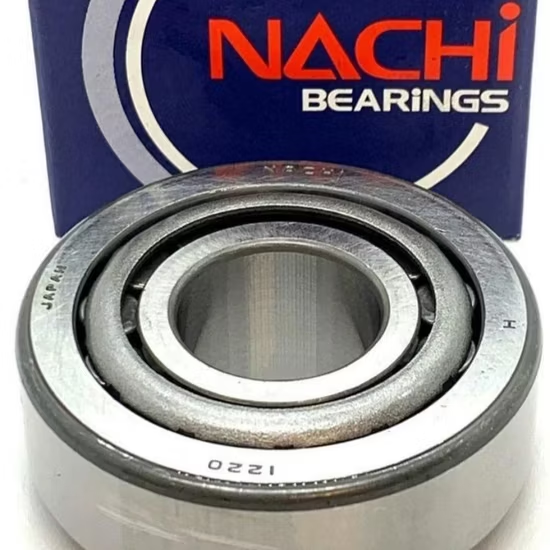
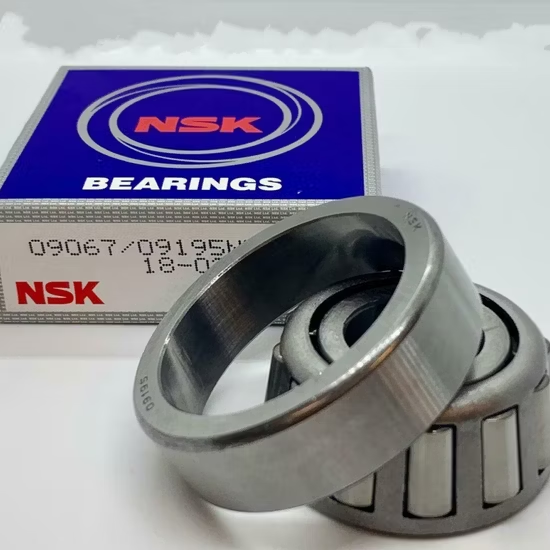

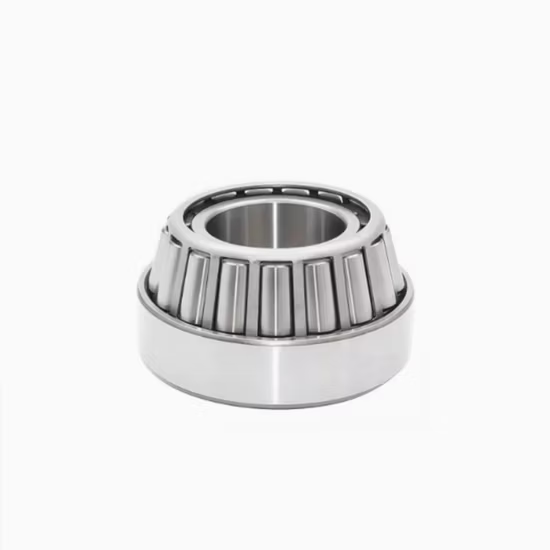
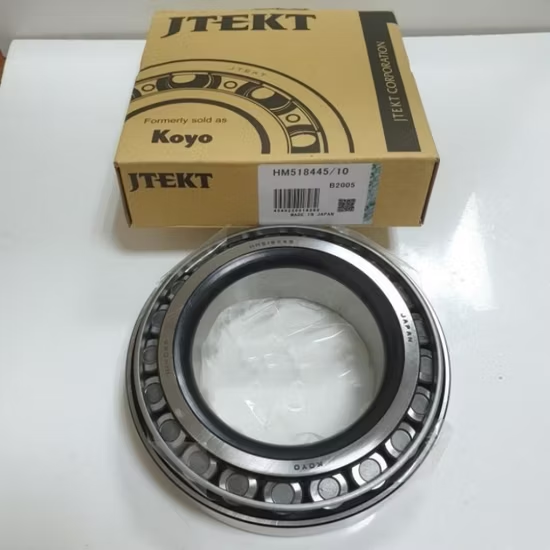
30217 Tapered Roller Bearing P4 — Constructed from GCr15 bearing steel, this standard design effectively manages combined radial and axial loads. The P4 precision class ensures tighter dimensional and running accuracy for demanding automotive wheel hubs and industrial gearboxes.
Full Batch Traceability — Every 30217 tapered roller bearing ships with manufacturer lot documentation and QR verification to eliminate soft inner ring counterfeits.
| Parameter | Value |
|---|---|
| Designation | 30217 |
| Bearing Type | Tapered Roller Bearing |
| Precision Class | P4 |
| Cage Material | Nylon / Brass / Iron (available options) |
| Material | GCr15 Bearing Steel |
| Origin | Germany / Japan / Sweden / Malaysia / China (available options) |
| Industry | Typical Applications |
|---|---|
| Automotive & Heavy Vehicles | Wheel hubs, truck axles, and heavy-duty drivetrain components |
| Industrial Power Transmission | Heavy-load industrial gearboxes and reducer shafts |
| Building Material Machinery | Crushers, mixers, and conveyor drive rollers |
| General Manufacturing | Plant equipment rotary tables and material handling drives |
Matching the base designation without verifying internal geometry guarantees thermal binding under sustained radial loads.
In my years covering the Latin American aftermarket, I have seen countless truck axles seize simply because a standard clearance was forced into an application demanding thermal expansion allowance. Counterfeit rings with soft inner cores and cloned QR codes pass casual visual checks, only to spall and collapse under real-world torque. Sourcing genuine components requires looking past the stamped numbers to validate the actual metallurgical and dimensional integrity .
Heavy vehicle axles and industrial gearboxes generate immense combined loads that demand exact dimensional stability. The 30217 tapered roller bearing addresses these forces through optimized roller profiles and precise contact angles. By reviewing the specific load vectors and operating temperatures of your equipment, we ensure the selected configuration handles both the radial weight and the axial thrust without premature edge loading.
When truck axles operate under continuous highway speeds, friction heat alters the internal clearance dramatically. If the initial clearance is too tight, thermal expansion eliminates the rolling gap, leading to catastrophic seizure. Proper lubrication management is equally critical; heavy gearboxes require oil baths or circulating systems that maintain film thickness while flushing out metallic wear debris .
Achieving P4 precision means the dimensional and running accuracy significantly surpasses standard commercial grades, which is vital for minimizing vibration in high-speed pinion shafts. The GCr15 bearing steel provides the necessary core toughness and surface hardness to resist spalling. Depending on the specific speed and temperature profile, the cage can be specified in nylon for reduced friction, brass for high-vibration durability, or iron for extreme load resilience.
Installing a component that matches the outer dimensions but lacks the correct internal geometry leads to unplanned downtime and severe secondary damage. When the cage fails due to incorrect material selection for the operating temperature, the rolling elements skew and destroy the raceways. This cascading failure often voids equipment warranties and necessitates complete housing replacements, far exceeding the initial savings of a cheaper substitute .
We eliminate the risk of soft inner rings by sourcing exclusively through authorized multi-brand networks, ensuring every shipment carries verifiable provenance. Cross-referencing is never limited to the base number; we validate the required precision and cage specifications to prevent field failures. Our technical team reviews your application parameters to confirm the selection handles the actual operational stress. Finally, batch traceability is provided for every unit, allowing direct verification through official brand applications.
To ensure the selected configuration perfectly matches your drivetrain or gearbox, please provide the exact radial and axial load profiles along with operating speeds and temperatures. Sharing the OEM equipment number allows our engineering team to perform a comprehensive cross-reference check, verifying that all internal geometry parameters align with your specific application requirements.
Q: How do I verify the authenticity of the received components?
A: Authenticity is confirmed by scanning the QR code on the packaging using the manufacturer's official mobile application. Additionally, every shipment includes a Certificate of Conformity and batch traceability documents that link the physical unit directly to the factory production records, effectively ruling out cloned codes.
Q: What cross-reference checks are necessary beyond the base number?
A: Simply matching the base number is insufficient. You must verify the precision class, cage material, and internal clearance to ensure compatibility with your specific thermal and load conditions. Overlooking these suffixes often results in thermal binding or cage failure in demanding automotive applications.
Q: How does P4 precision benefit industrial gearboxes compared to standard grades?
A: P4 precision provides significantly tighter dimensional and running accuracy, which minimizes vibration and noise at higher rotational speeds. This enhanced accuracy ensures smoother power transmission and extends the operational lifespan of the gear mesh by maintaining precise shaft alignment under heavy loads.
Q: Which cage material is optimal for high-temperature axle applications?
A: For high-temperature environments typical in heavy-duty axles, a brass cage is generally preferred due to its superior thermal conductivity and structural integrity under vibration. Nylon cages are excellent for lower-friction, moderate-temperature scenarios, while iron cages suit extreme load applications with lower speed requirements.
Q: What mounting practices protect the precision raceways?
A: Induction heating should be used to expand the inner ring for installation, avoiding mechanical force that could brinell the raceways. It is crucial to maintain a clean environment and use proper handling tools to prevent contamination or physical damage to the highly finished P4 precision surfaces during the assembly process.
Our 5-step process ensures every order is engineered, validated, and supported for optimal performance.
Technical needs assessment
Custom specifications
Free samples for $50k+
Pre-shipment inspection
On-site & predictive
Our certified engineers respond within 24 hours with detailed technical specifications, pricing, and lead time information.