01
Consultation
Technical needs assessment

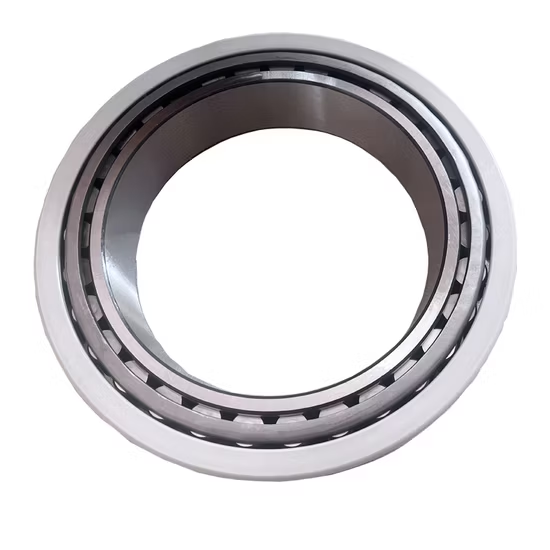
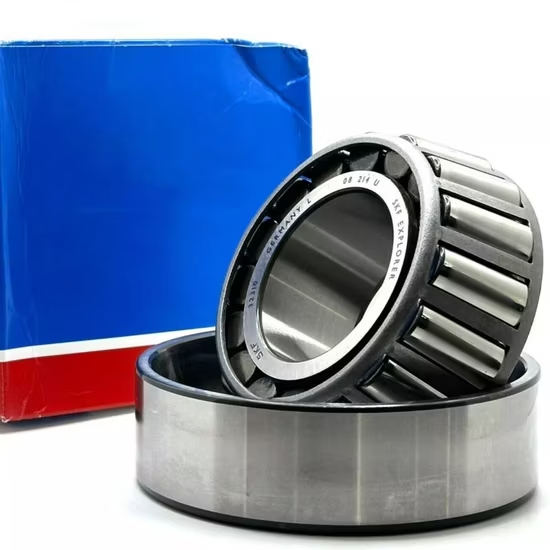
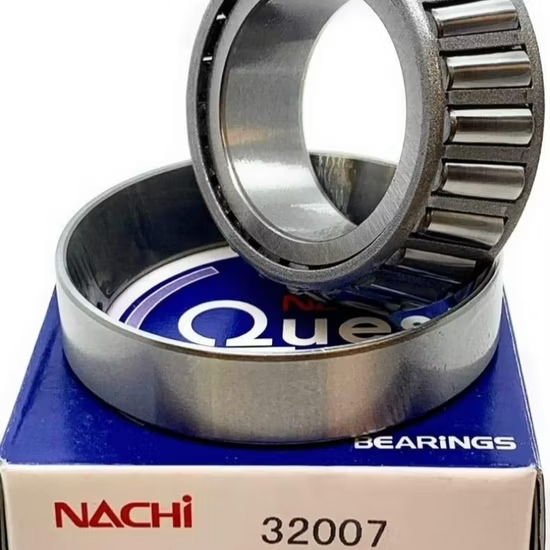

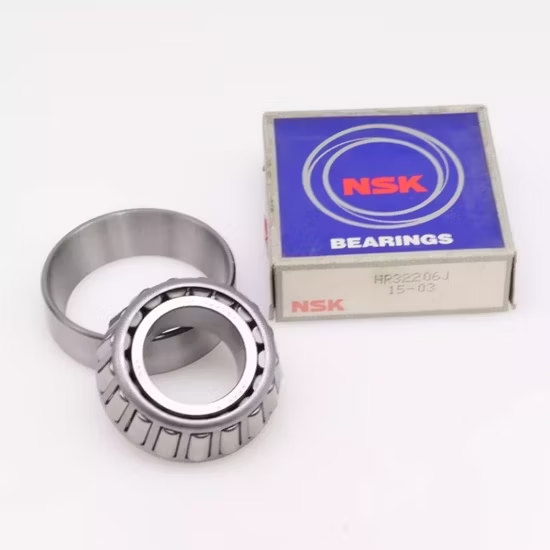

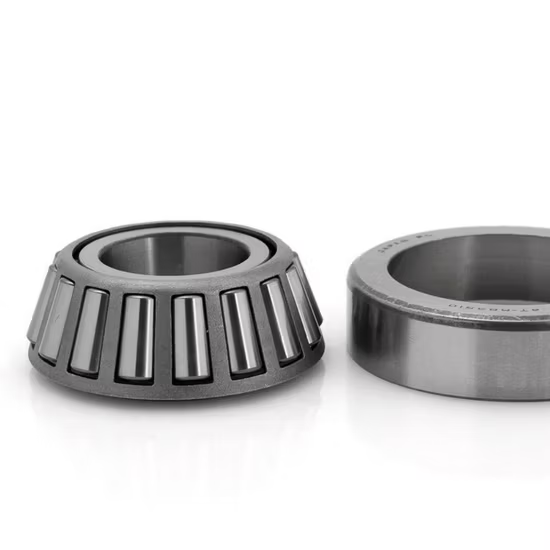
30200 30201 Tapered Roller Bearing P4 — Single-row tapered structure effectively handles combined radial and axial loads in automotive and industrial gearboxes. Manufactured from Gcr15 bearing steel for optimal hardness and wear resistance under heavy-duty conditions.
Exact Cross-Reference Alignment — Base numbers, internal design, and precision suffixes are verified simultaneously to prevent thermal binding in heavy-duty applications.
| Parameter | Value |
|---|---|
| Designation | 30200 30201 |
| Product Type | Tapered Roller Bearing |
| Number of Rows | Single Row |
| Structure | Taper |
| Precision Class | P4 |
| Material | Gcr15 |
| Cage Material Options | Nylon / Brass / Iron |
| Origin | Shanghai |
| HS Code | 8482500090 |
Note: The "Nylon/Brass/Iron" specification refers to available cage material options rather than seal types, as single-row tapered roller bearings are typically open-type requiring external sealing arrangements.
| Industry | Typical Applications |
|---|---|
| Automotive & Heavy Vehicles | Wheel hub assemblies, truck drive axles, differential pinion shafts |
| Industrial Power Transmission | Heavy-duty industrial gearboxes, conveyor drive reducers |
| Marine & Offshore | Marine propulsion drives, stern tube bearing supports |
| General Manufacturing | Machine tool spindle supports, material handling drive units |
Matching the base designation without verifying internal geometry and precision suffixes leads to rapid thermal seizure under load.
Procurement teams often source metric tapered roller bearings by matching the basic number alone, overlooking critical internal design variations . In high-temperature environments, ignoring the required clearance class or selecting an incorrect cage material causes the bearing to bind catastrophically. A 30200 30201 tapered roller bearing installed with standard clearance where thermal expansion demands a larger internal gap will lock up the shaft, destroying both the bearing and the surrounding housing.
Upgrading to P4 precision for a 30200 30201 tapered roller bearing significantly reduces dimensional and running accuracy deviations compared to standard P0 grades. This tighter tolerance is essential for applications like machine tool spindles or high-speed gearboxes where shaft runout causes vibration and premature gear wear. Our technical review process ensures the selected precision class aligns perfectly with the equipment's rotational speed and rigidity requirements.
Tapered roller bearings must withstand combined radial and axial loads, often in environments with fluctuating temperatures. When thermal expansion exceeds the internal clearance limit, the rolling elements skid rather than roll, generating excessive friction heat. Proper lubrication management and selecting the correct internal geometry are vital to dissipate this heat. Furthermore, heavy shock loads demand robust cage materials, as high-speed vibrations can fracture lightweight retainers if the application profile is misjudged .
The Gcr15 high-carbon chromium bearing steel provides the foundational hardness and wear resistance required for heavy-load transmission. However, the cage material dictates the bearing's operational boundaries. Brass cages offer superior durability and heat dissipation under heavy loads and high vibrations, while nylon cages reduce weight and friction for high-speed, lighter-load scenarios. Iron or stamped steel cages provide a cost-effective middle ground for general industrial gearboxes where extreme shock loads are absent.
Selecting the wrong internal design or ignoring precision requirements results in unplanned downtime and catastrophic damage to adjacent machinery components. When a bearing seizes due to thermal binding, the resulting shaft scoring and housing deformation require extensive machining repairs. These secondary failures void equipment warranties and halt production lines, turning a minor component oversight into a massive operational financial loss .
We prevent cross-reference errors by validating the base designation, internal geometry, and precision class simultaneously. For metric tapered roller bearings, we verify that the cage material and clearance match the specific OEM equipment requirements, not just the catalog number. Every shipment includes batch traceability linked directly to the manufacturer's production facilities, ensuring you receive the exact specification engineered for your application. We also provide application-based selection reviews to confirm the load, speed, and temperature parameters align with the chosen bearing configuration.
To ensure optimal performance, share your specific operational parameters including radial and axial loads, rotational speeds, and operating temperatures. Providing the exact OEM equipment number allows our engineering team to perform a precise cross-reference check, verifying that the internal design and precision class match the original specification. This technical复核 eliminates guesswork and ensures the selected bearing integrates flawlessly into your machinery.
Q: How do we verify the authenticity and batch traceability of these bearings?
A: Every bearing is supplied with verifiable batch traceability linked to the manufacturer. You can scan the provided QR codes using official brand applications to confirm authenticity. We also include a Certificate of Conformity and material test reports, ensuring the Gcr15 steel and P4 precision claims are fully documented and transparent.
Q: Why is it necessary to match clearance and cage material during cross-referencing?
A: Matching only the base designation often overlooks critical internal variations. If the clearance is too tight for the operating temperature, thermal expansion causes the bearing to seize. Similarly, using a nylon cage in a high-vibration, heavy-load application leads to rapid cage fracture. All three parameters must align with the actual working conditions.
Q: What practical benefits does P4 precision offer over standard grades?
A: P4 precision guarantees significantly tighter dimensional and running accuracy than standard P0 grades. This reduces shaft runout, minimizes vibration, and lowers operating temperatures in high-speed applications like gearboxes and spindles. The result is noticeably extended service life and improved overall machinery stability under continuous operation.
Q: How do we differentiate between actual seal types and cage materials in supplier data?
A: Supplier data can sometimes be ambiguous, listing materials like nylon or brass under "seal types." For single-row tapered roller bearings, these refer to cage materials, as the bearings are typically open-type. We clarify these specifications upfront, ensuring you select the correct cage for your load and speed requirements while designing appropriate external housing seals.
Q: What mounting practices are recommended to maintain P4 precision during installation?
A: To preserve P4 tolerances, avoid direct mechanical impact on the rings or cages. Use controlled induction heating for the inner ring to achieve the necessary expansion without localized overheating. Ensure shaft and housing seating surfaces are machined to precise tolerances, as any debris or surface irregularities will distort the bearing geometry and compromise running accuracy.
Our 5-step process ensures every order is engineered, validated, and supported for optimal performance.
Technical needs assessment
Custom specifications
Free samples for $50k+
Pre-shipment inspection
On-site & predictive
Our certified engineers respond within 24 hours with detailed technical specifications, pricing, and lead time information.