01
Consultation
Technical needs assessment



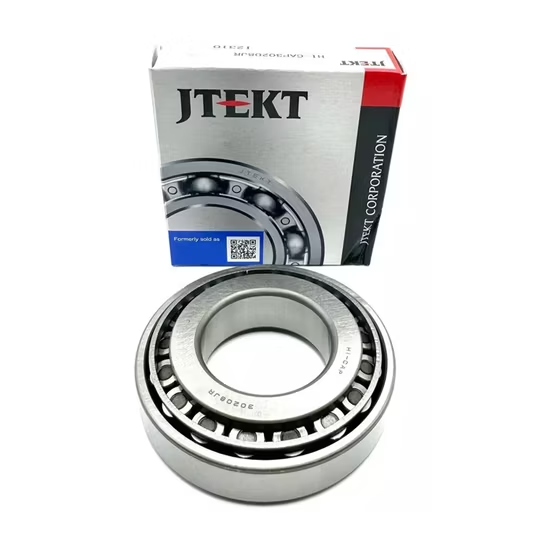

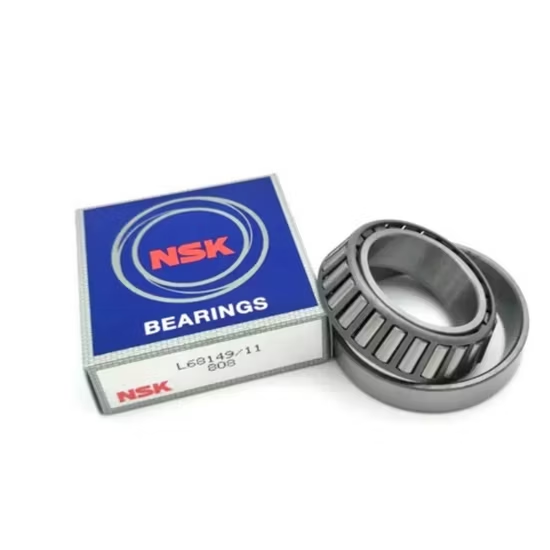

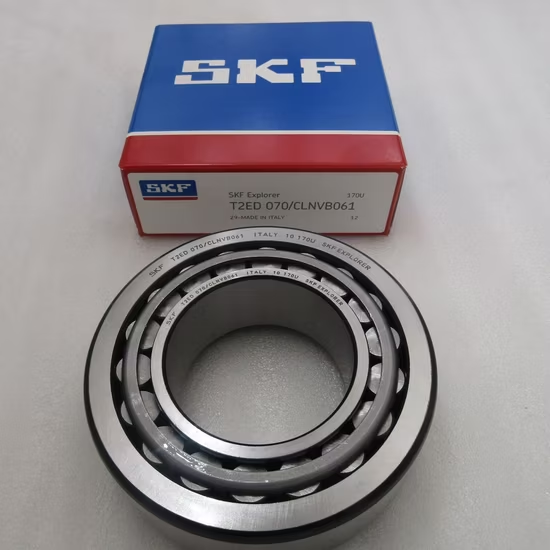
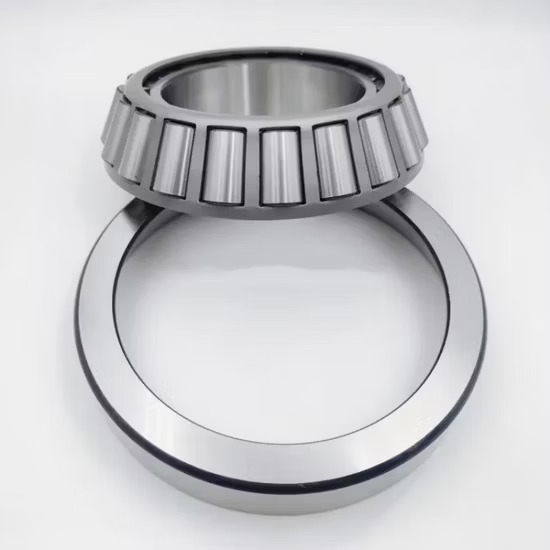
25577/25520 Inch Tapered Roller Bearing — precision-matched cone and cup pairing prevents cross-reference errors in automotive wheel hubs and heavy-duty truck axles.
Precision Cross-Reference Alignment — Matching the 25577/25520 tapered roller bearing requires verifying not just the inch-series cone and cup numbers, but also the internal P4 precision class and cage design to prevent thermal binding in heavy-duty axles.
| Parameter | Value |
|---|---|
| Designation | 25577/25520 |
| Bearing Type | Tapered Roller Bearing |
| Precision Class | P4 |
| Material | GCr15 high-carbon chromium bearing steel |
| Cage Material | Available in nylon, brass, or iron variants (verify against specific manufacturer catalog) |
| Origin | Sourced from authorized facilities in Germany, Japan, Sweden, Malaysia, or China |
| Certification | Certificate of Conformity, batch traceability |
| Industry | Typical Applications |
|---|---|
| Automotive & Heavy Vehicles | Wheel hubs, truck axles, and trailer steering knuckles |
| Industrial Manufacturing | Heavy-duty gearboxes, conveyor drive shafts, and material handling equipment |
A matching base designation does not guarantee internal geometric or material compatibility under severe downhill braking loads.
I have witnessed catastrophic wheel hub failures in Latin American mining trucks where the base number matched perfectly, but the internal cage material was entirely wrong for the steep-grade application. Counterfeit soft inner rings and cloned QR codes frequently pass casual visual inspections, leading to rapid spalling and structural collapse. When procurement teams rely solely on the base number without verifying the exact P4 precision and cage design, the resulting thermal binding destroys the assembly .
Sourcing the correct 25577/25520 tapered roller bearing involves looking far beyond the outer dimensions to ensure the internal geometry handles the specific combined loads of your equipment. Our technical review process evaluates the exact contact angle and roller profile to confirm the bearing can manage the severe axial thrust generated during heavy braking and cornering. This application-based selection prevents the micro-pitting that typically plagues incorrectly matched inch-series assemblies.
Wheel hub environments subject bearings to intense thermal cycling and heavy shock loads, making the correct internal clearance and cage material absolutely critical. If the thermal expansion of the shaft and housing is not accommodated by the appropriate clearance class, the rollers will skid and generate excessive friction heat. Furthermore, heavy shock loads from uneven terrain demand a cage material that maintains structural integrity without fracturing under sudden stress reversals .
The 25577/25520 designation identifies a specific inch-series cone and cup pairing engineered to carry heavy combined loads through a precise contact angle. The P4 precision class ensures tighter dimensional and running accuracy, which is essential for minimizing vibration and heat generation in high-speed automotive wheel hubs. The GCr15 high-carbon chromium bearing steel provides the necessary core hardness and wear resistance to withstand continuous rolling contact fatigue. Because cage materials are available in nylon, brass, or iron variants, selecting the right option is vital for matching the specific speed and vibration profile of the gearbox or axle.
Installing an incorrectly specified tapered roller bearing inevitably leads to unplanned downtime and catastrophic damage to the surrounding axle or gearbox housing. A mismatched cage or incorrect precision class causes rapid thermal runaway, which can weld the rollers to the raceway and seize the entire wheel assembly. According to ISO 281 standards, ignoring the specific load and speed conditions when selecting the bearing drastically reduces the calculated L10 life, resulting in premature failure and voided equipment warranties .
We prevent cross-reference errors by verifying that the internal design and precision class of the 25577/25520 exactly match your OEM equipment requirements, rather than just supplying a base-number equivalent. Every bearing we ship features full batch traceability to the manufacturer, allowing you to verify authenticity directly through the brand's official mobile app. Our application-based selection review ensures that the chosen cage material and clearance class are perfectly aligned with your specific operating temperatures and load conditions. This rigorous technical oversight eliminates the risk of receiving counterfeit soft inner rings that pass casual visual checks but fail under real-world stress.
To ensure optimal performance, please provide your specific radial and axial load parameters, operating speeds, and typical temperature ranges for our technical team to review. Sharing the exact OEM equipment number allows us to perform a comprehensive cross-reference check, verifying that the internal geometry and precision class align perfectly with your application. This detailed technical collaboration guarantees that the selected bearing configuration meets the rigorous demands of your wheel hub or gearbox assembly.
Q: How can I verify the authenticity of the 25577/25520 bearing upon delivery?
A: You can verify authenticity by scanning the QR code on the packaging using the brand's official mobile application. Additionally, we provide complete batch and lot traceability documents, along with a Certificate of Conformity, ensuring the bearing originates directly from authorized manufacturing facilities and is not a counterfeit with a soft inner ring.
Q: Why is matching only the base designation insufficient for wheel hub applications?
A: Matching only the base designation ignores critical internal variables like precision class, cage material, and internal clearance. A bearing with the correct base number but the wrong cage material can fracture under heavy downhill braking loads, while incorrect clearance leads to thermal binding and premature seizure in high-temperature axle environments.
Q: What are the common failure modes caused by counterfeit tapered roller bearings?
A: Counterfeit bearings often feature soft inner rings that rapidly deform under heavy loads, leading to severe spalling and loss of dimensional accuracy. They also frequently use cloned QR codes that pass casual inspections but hide substandard metallurgy, ultimately resulting in catastrophic wheel hub failures and extensive collateral damage to the axle assembly.
Q: How do I select the correct cage material for heavy-duty automotive applications?
A: Cage material selection depends on the specific operating speed, load profile, and vibration levels of your application. Brass cages offer superior durability under heavy shock loads and high temperatures, while nylon variants provide excellent performance in high-speed, lower-vibration environments. Our engineering team reviews your specific parameters to recommend the optimal material.
Our 5-step process ensures every order is engineered, validated, and supported for optimal performance.
Technical needs assessment
Custom specifications
Free samples for $50k+
Pre-shipment inspection
On-site & predictive
Our certified engineers respond within 24 hours with detailed technical specifications, pricing, and lead time information.