01
Consultation
Technical needs assessment

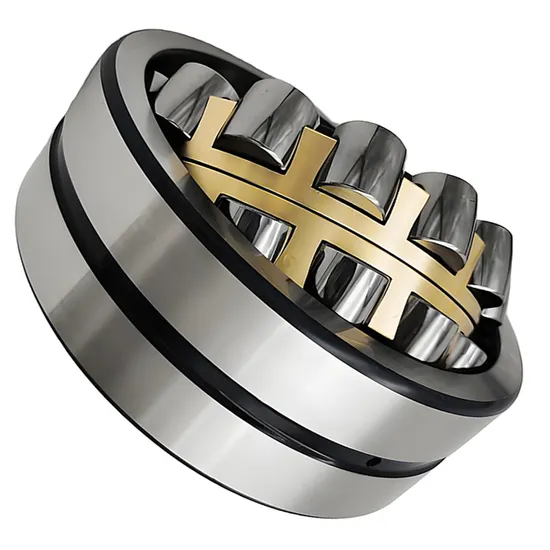
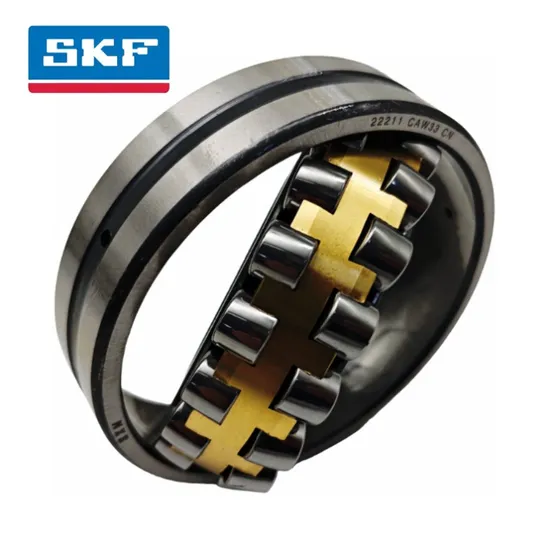
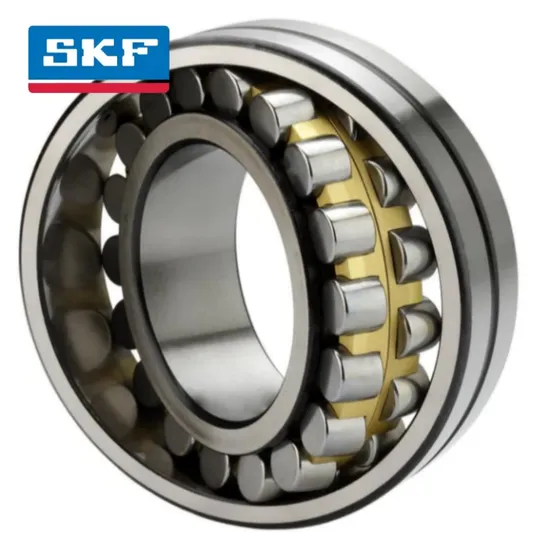
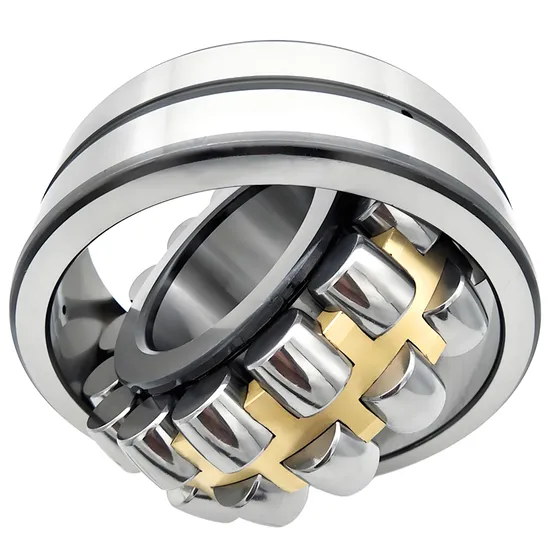
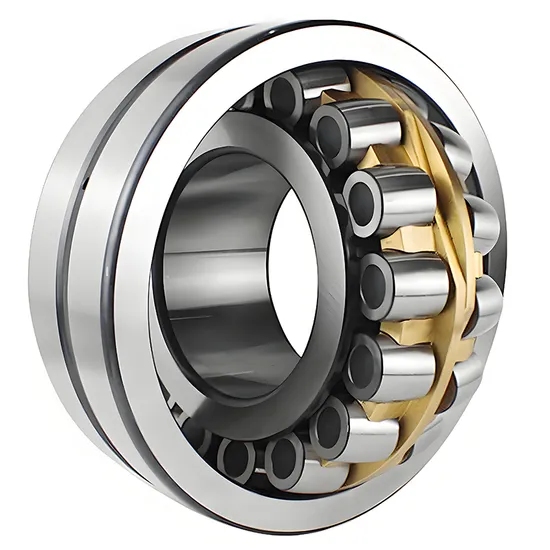
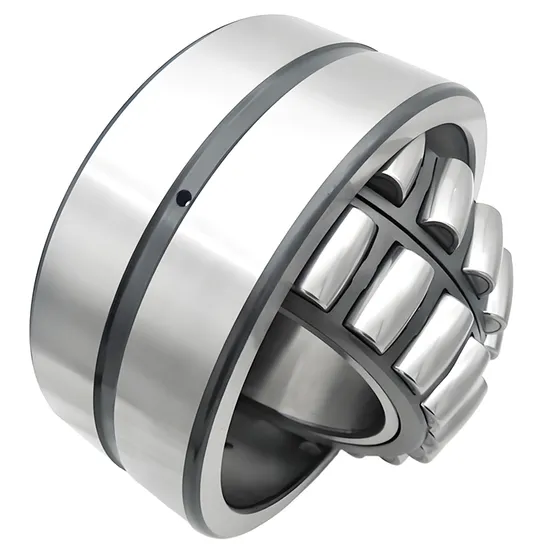
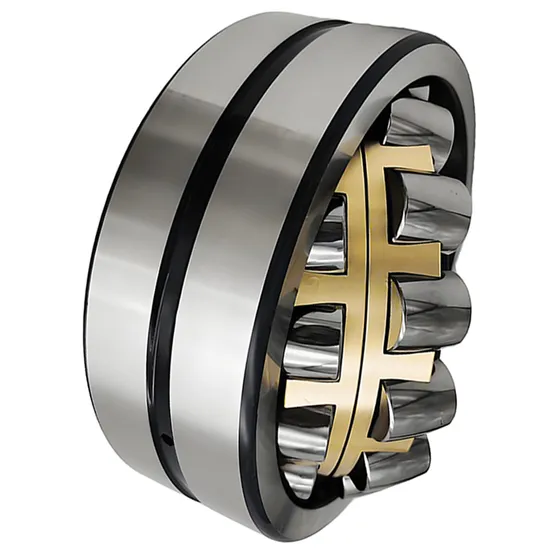
23172W33MB Spherical Roller Bearing — engineered for heavy-duty mining and crushing applications.
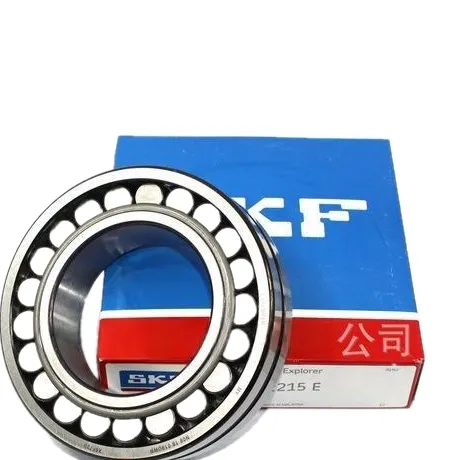
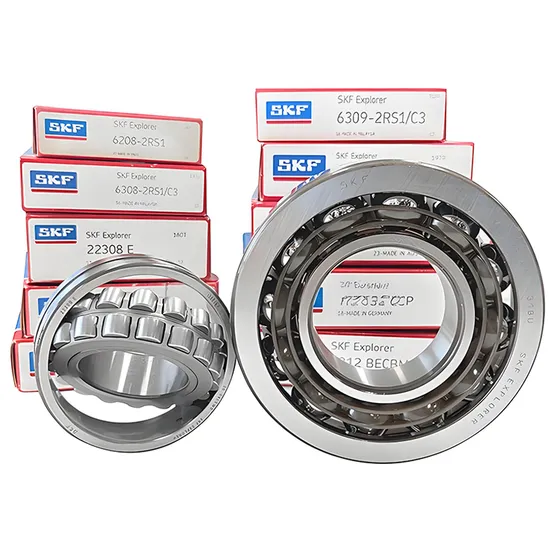
Unified Multi-Brand Sourcing — Consolidate your heavy-duty mining and crushing orders into a single shipment without juggling multiple vendors for mixed-brand requirements.
| Parameter | Value |
|---|---|
| Designation | 23172W33MB |
| Product Type | Spherical Roller Bearing |
| Cage Material | Machined Brass (Inner Ring Guided) |
| Lubrication Features | Outer Ring Groove and Three Holes |
| Origin | Germany / Japan / Sweden / Malaysia / China |
Note: The 'm' suffix occasionally seen in cross-references remains unverified and requires manufacturer catalog confirmation before substitution.
| Industry | Typical Applications |
|---|---|
| Mining and Crushing | Primary jaw crusher eccentric shafts, vibrating screen main bearings |
| Steel and Metallurgy | Continuous caster roll segments, heavy-duty conveyor pulleys |
| Cement Production | Rotary kiln support rollers, clinker cooler fan shafts |
Matching the base 23172 designation while ignoring the MB and W33 suffixes guarantees premature cage disintegration under heavy shock loads.
I have stood in拉美 copper mines watching a massive vibrating screen seize up mid-shift because a replacement bearing lacked the correct internal clearance and cage design. Procurement teams often approve cross-references that match the basic bore and outside diameter but overlook critical suffix variations. When a stamped steel cage is installed where a machined brass one is required, or when standard clearance is used instead of the necessary thermal expansion allowance, the result is rapid thermal binding . Sourcing the exact 23172W33MB spherical roller bearing ensures the internal geometry matches the extreme dynamic forces of your specific equipment.
The 23172W33MB spherical roller bearing utilizes an inner-ring guided machined brass cage specifically engineered to withstand the severe accelerations found in crushing and screening equipment. Unlike lightweight polymer or stamped steel alternatives, this solid brass structure resists the high-frequency vibratory stresses that typically cause cage pocket wear and eventual fragmentation. Our technical team verifies that the cage guiding surface and roller pocket clearances align perfectly with the heavy radial loads characteristic of mineral processing machinery.
In heavy industrial environments, friction and ambient heat cause significant thermal expansion within the bearing housing. If the internal clearance is not correctly specified to accommodate this growth, the rollers will skid rather than roll, generating catastrophic heat. Furthermore, continuous operation in dusty conditions demands reliable grease distribution. The outer ring lubrication groove ensures that fresh lubricant reaches the roller paths efficiently, preventing starvation even when relubrication intervals are stretched due to operational demands .
The W33 designation indicates a precision-machined lubrication*er ring, facilitating direct grease injection into the load zone. This is critical for large-bore bearings where grease migration is otherwise sluggish. The MB suffix confirms the presence of a machined brass cage guided by the inner ring. This specific guiding method stabilizes the cage during high-speed rotations and heavy radial loads, preventing the cage from contacting the outer ring and generating excessive friction heat. Selecting the correct combination of these features is non-negotiable for equipment survival.
Substituting a bearing with an incorrect cage material or lacking the outer ring lubrication groove leads to a cascade of mechanical failures. Initially, inadequate lubrication causes localized surface distress and micro-pitting on the roller paths. As the cage degrades from vibratory fatigue, brass or steel debris contaminates the lubricant, acting as an abrasive grinding paste. This culminates in unplanned downtime, catastrophic shaft damage, and warranty voidance, far exceeding the initial cost savings of a cheaper, incorrectly specified alternative .
We do not merely ship boxes; we engineer supply chain reliability. Our cross-reference protocol strictly aligns the W33 lubrication features and MB brass cage specifications, preventing the common trap of accepting a base-number match with inferior internal components. Because we hold authorized distribution across all major international brands, we consolidate mixed-brand MRO requirements into single, traceable shipments. Every unit undergoes an application-based selection review covering your specific load, speed, and temperature parameters to ensure the designated suffix combination is physically capable of surviving your operational environment.
To guarantee optimal service life, provide our engineering team with your specific radial and axial load profiles, operating speeds, and ambient temperature ranges. This data allows us to perform an L10 life calculation and verify that the internal clearance class perfectly compensates for your housing's thermal expansion characteristics. If you are replacing an existing unit, share the original OEM equipment number so we can execute a precise cross-reference check, ensuring no critical suffix variations are overlooked during the interchange process.
Q: How do I verify the authenticity of the MB brass cage and W33 features?
A: Authenticity is confirmed through the manufacturer's official mobile application using the unique QR code on the packaging. Additionally, physical inspection should reveal a solid, machined brass cage guided by the inner ring, and three distinct lubrication holes within the outer ring groove. We provide full batch traceability documentation to support this verification.
Q: What cross-reference checks are critical beyond the base 23172 number?
A: You must verify that the replacement bearing explicitly includes the W33 outer ring lubrication groove and the MB inner-ring guided machined brass cage. Accepting a substitute with a stamped steel cage or without the lubrication holes will lead to rapid cage failure and lubrication starvation under heavy vibratory loads.
Q: Why is the MB inner-ring guided cage preferred for vibrating screens?
A: Vibrating screens subject bearings to extreme radial loads and high-frequency accelerations. The MB machined brass cage, guided by the inner ring, provides superior structural stability and resists pocket wear compared to lighter cage designs. This prevents cage fragmentation and ensures the rollers maintain proper alignment during continuous operation.
Q: How should I utilize the W33 outer ring groove for relubrication?
A: The W33 groove and*the bearing load zone. During relubrication, pump grease slowly while the shaft is rotating to ensure even distribution through the holes, purging old, contaminated lubricant and maintaining a protective film across the roller paths.
Our 5-step process ensures every order is engineered, validated, and supported for optimal performance.
Technical needs assessment
Custom specifications
Free samples for $50k+
Pre-shipment inspection
On-site & predictive
Our certified engineers respond within 24 hours with detailed technical specifications, pricing, and lead time information.