01
Consultation
Technical needs assessment


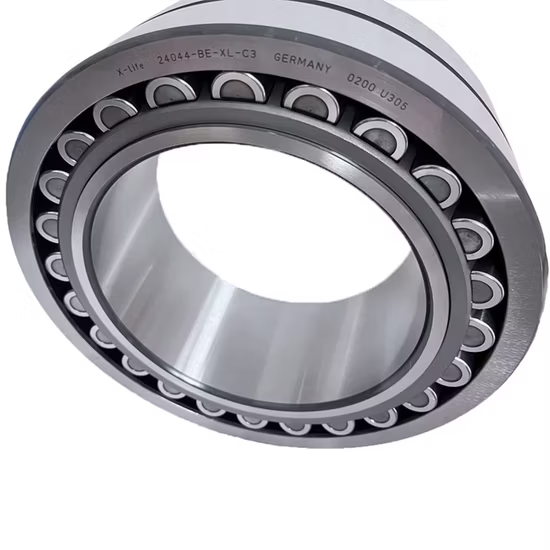
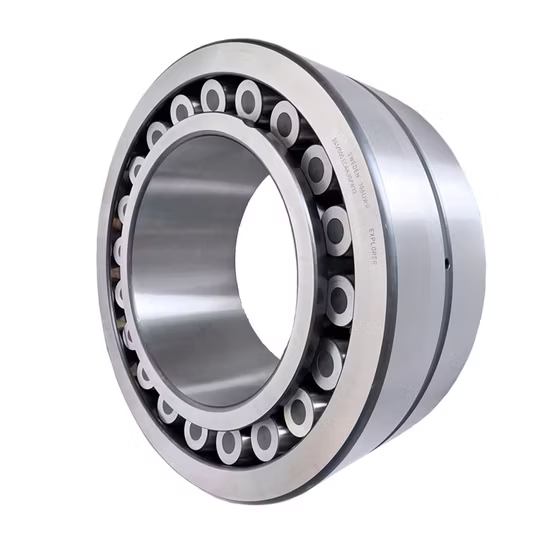
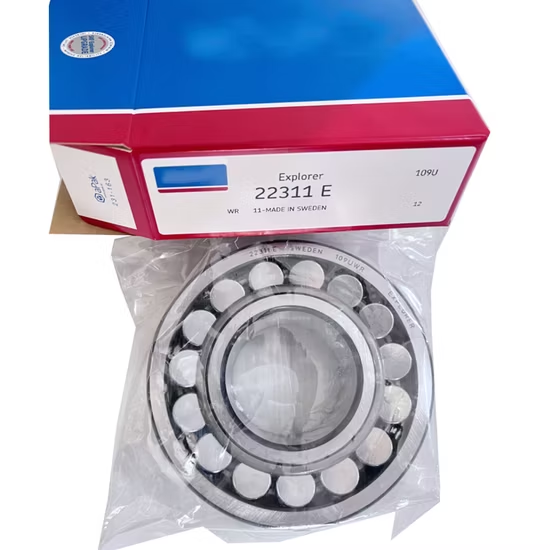
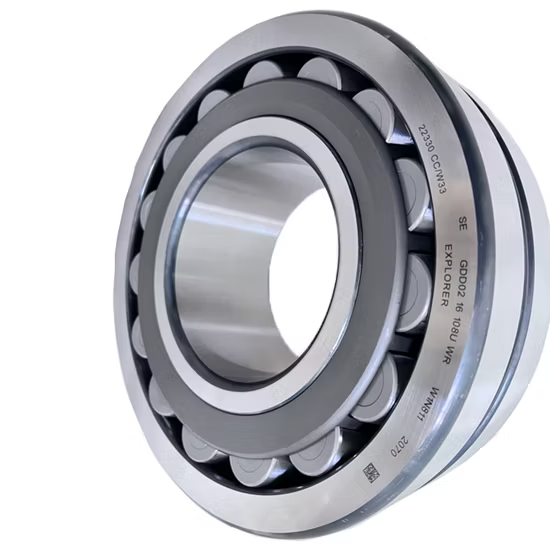
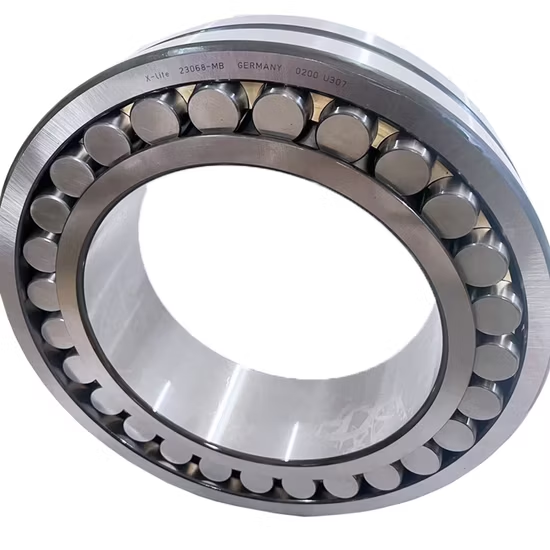
22240-Cc/W33 Spherical Roller Bearing — featuring a W33 lubrication groove and three holes in the outer ring to ensure optimal grease distribution during heavy-duty operations.
Multi-brand authorized coverage — Source SKF, FAG, and NSK equivalents for your 22240-Cc/W33 spherical roller bearing requirements in a single consolidated shipment without juggling multiple vendors.
| Parameter | Value |
|---|---|
| Designation | 22240-Cc/W33 |
| Bearing Type | Spherical Roller Bearing |
| Origin | Germany, Japan, Sweden, Malaysia, or China |
| Lubrication Feature | W33 (Outer ring lubrication groove and three holes) |
| Internal Design | Cc (Unverified suffix — requires manufacturer catalog confirmation) |
| HS Code | 8482500090 |
| Industry | Typical Applications |
|---|---|
| Mining and Crushing | Vibrating screen eccentric shafts, jaw crusher pitman bearings |
| Steel and Metallurgy | Continuous caster roll guide units, rolling mill table rollers |
| Material Handling | Heavy-duty bucket elevator drive shafts, stacker reclaimers |
| Pulp and Paper | Paper machine dryer cylinder felt rolls, press section bearings |
Matching the basic designation while ignoring internal clearance and cage design variants is the primary trigger for thermal binding in heavy-duty applications.
In African mining sites, I have witnessed firsthand how substituting a standard clearance variant for a C3 or C4 equivalent leads to rapid overheating and shaft seizure under extreme thermal expansion. Procurement teams often assume the base number guarantees interchangeability, overlooking that the internal geometry and lubrication pathways dictate survival in high-shock environments .
The 22240-Cc/W33 spherical roller bearing integrates an outer ring groove and three lubrication holes, ensuring grease penetrates directly into the roller pathways. This specific feature is non-negotiable for vibrating screens and crushers where continuous shock loads rapidly displace lubricants. Our technical review process verifies that the W33 suffix is strictly maintained during cross-referencing, preventing the accidental installation of solid outer ring variants that would starve under heavy contamination.
These applications generate intense frictional heat and subject the shaft to massive radial impacts. When ambient temperatures rise and the shaft expands, standard internal clearance closes rapidly, causing the rollers to skid and the cage to fracture. Selecting the appropriate expanded clearance class accommodates this thermal growth, while the spherical outer ring raceway self-aligns to compensate for housing deflections and minor shaft misalignments inherent in heavy structural steel frames .
The Cc suffix typically designates a specific internal cage configuration and roller guidance system optimized for high radial loads and moderate speeds. In spherical roller bearings, the cage material—whether machined brass or pressed steel—dictates how the bearing handles severe vibrations and shock impacts. Brass cages generally offer superior durability in high-vibration screening equipment, while pressed steel variants suit steady-state conveyor drives. Understanding this internal distinction ensures the selected variant survives the specific dynamic forces of the installation.
Installing a bearing that matches the basic dimensions but lacks the correct internal design or lubrication features inevitably results in unplanned downtime and catastrophic damage to adjacent shaft components. When a bearing seizes due to thermal binding or lubrication starvation, the resulting collateral damage to housings and gears multiplies the replacement cost exponentially. Adhering to strict failure mode analysis frameworks prevents these cascading mechanical failures and protects the overall equipment warranty .
We consolidate multi-brand requirements into single shipments, eliminating the logistical friction of coordinating with fragmented vendors for mixed equipment fleets. Every 22240-Cc/W33 spherical roller bearing we supply undergoes a rigorous three-point cross-reference check, aligning the base number, cage material, and lubrication suffixes to prevent field failures. Our batch traceability protocols link directly to the manufacturer's production facilities, ensuring full transparency from the forging stage to final dispatch. We also provide application-based selection reviews, analyzing your specific load, speed, and temperature parameters to validate the engineering fit before quotation.
To ensure optimal performance, share your specific radial and axial load calculations, operating speeds, and ambient temperature ranges for a comprehensive L10 life recalculation. Providing the original OEM equipment designation allows our engineering team to execute a precise cross-reference check, verifying that the internal clearance and cage design perfectly match the factory specifications. This technical validation guarantees the selected variant withstands your unique operational demands without premature degradation.
Q: Why must the W33 lubrication suffix be strictly verified during cross-referencing?
A: The W33 designation ensures the outer ring has the necessary groove and holes for continuous grease feed. Substituting a bearing without this feature in high-shock applications like vibrating screens leads to rapid lubrication starvation, causing severe roller skidding, excessive heat generation, and eventual cage failure under heavy dynamic loads.
Q: How do we identify counterfeit bearings with cloned QR codes?
A: Counterfeiters often clone visual QR codes that redirect to fake websites. We mandate verification through the official brand application, which cross-references the unique batch number against the manufacturer's secure database. We also provide physical material test reports and dimensional inspection documents to validate the metallurgical integrity of the rings.
Q: What role does internal clearance play in high-temperature crushing applications?
A: In crushers, frictional heat and ambient temperatures cause the inner ring and shaft to expand significantly. If standard clearance is used, this thermal growth eliminates the internal operating gap, leading to severe thermal binding and seizure. Selecting an expanded clearance class compensates for this expansion, maintaining the optimal rolling gap under operational heat.
Q: How does the cage material affect performance in vibrating screens?
A: Vibrating screens subject bearings to intense, continuous oscillation and shock loads. Machined brass cages typically offer superior structural integrity and resistance to cage fracture under these severe dynamic forces compared to standard pressed steel cages, ensuring reliable roller guidance and significantly extending the service interval in high-vibration environments.
Our 5-step process ensures every order is engineered, validated, and supported for optimal performance.
Technical needs assessment
Custom specifications
Free samples for $50k+
Pre-shipment inspection
On-site & predictive
Our certified engineers respond within 24 hours with detailed technical specifications, pricing, and lead time information.


