01
Consultation
Technical needs assessment

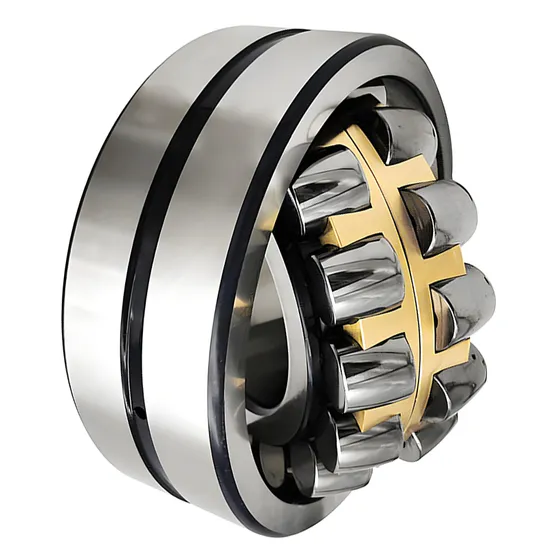
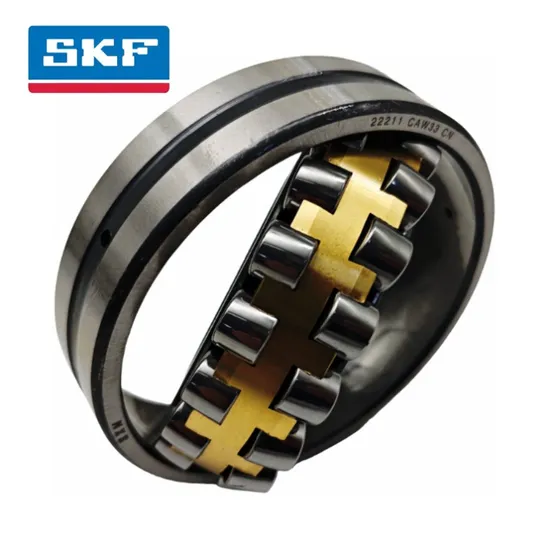
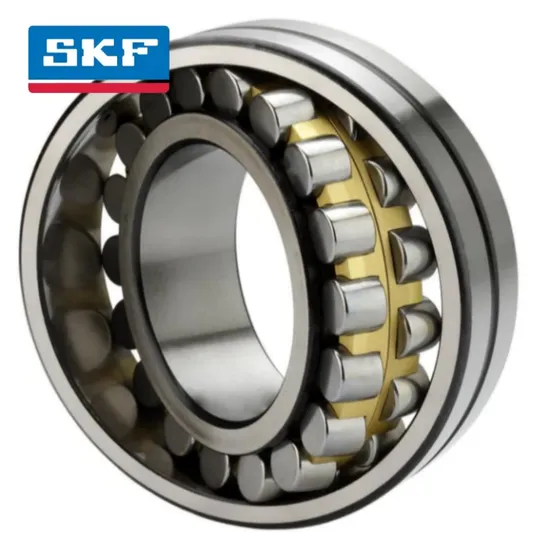
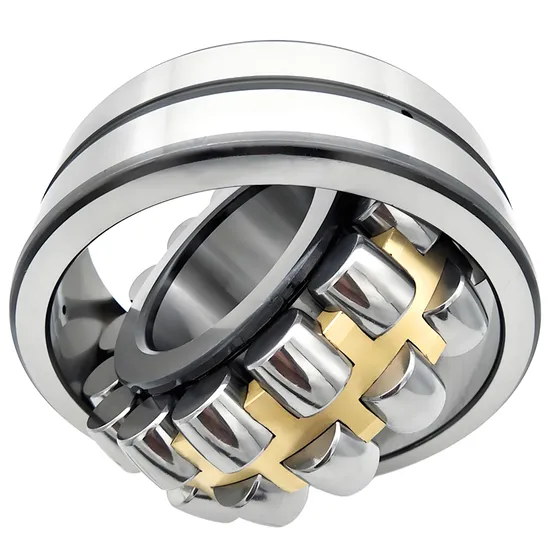
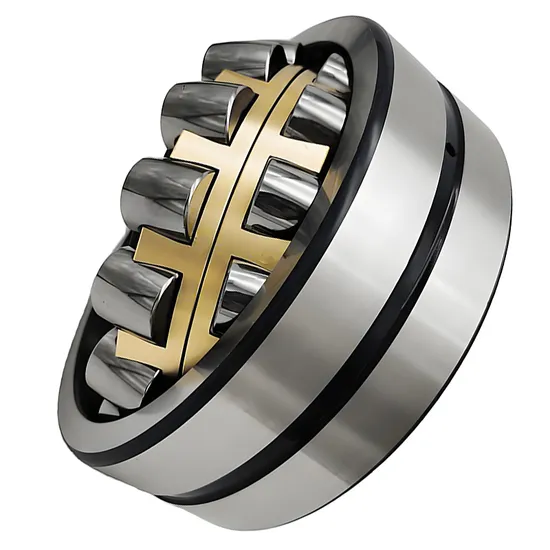
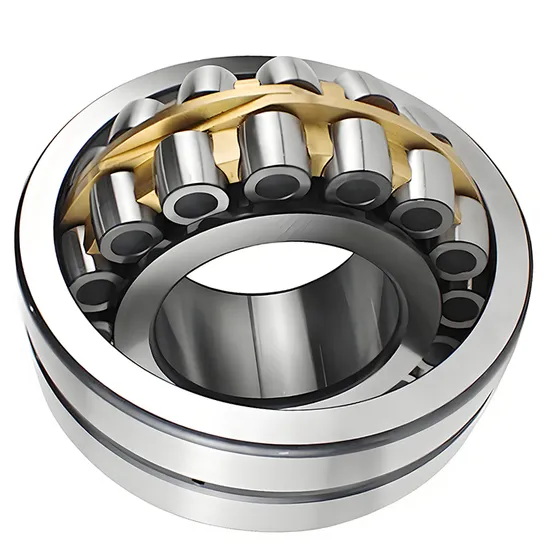
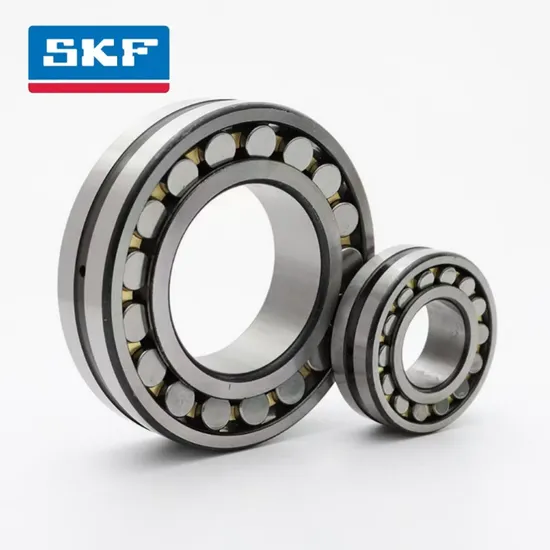
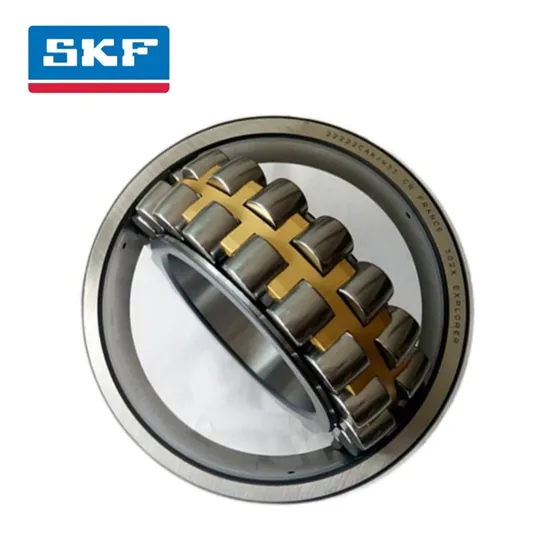
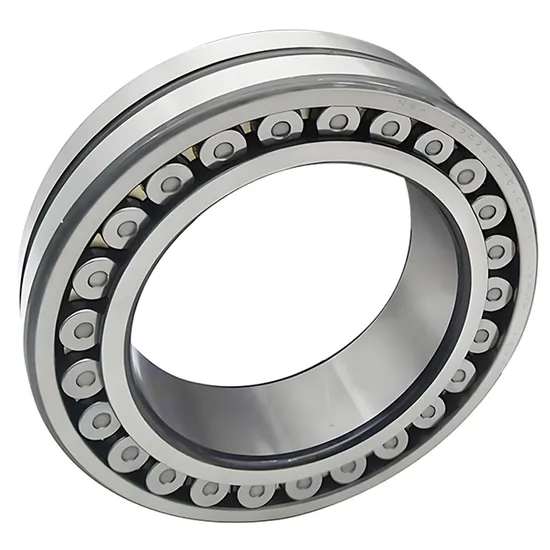
21312 Spherical Roller Bearing — engineered for mining and construction equipment to handle heavy radial loads and shaft misalignment in high-vibration environments.
Authorized Multi-Brand Coverage — A single procurement channel handles mixed-brand requirements for heavy machinery spares, eliminating multi-vendor coordination delays.
| Parameter | Value |
|---|---|
| Designation | 21312 |
| Product Type | Spherical Roller Bearing |
| Bearing Type | Spherical Roller |
| Bore Diameter (d) | 60 mm |
| Outside Diameter (D) | 130 mm |
| Width (B) | 31 mm |
| Dynamic Load Rating (C) | Standard catalog value |
| Static Load Rating (C₀) | Standard catalog value |
| Cage Material | Available in machined brass or pressed steel variants |
| Seal or Shield Type | Open design |
| Clearance Class | Available in CN, C3, or C4 variants |
| Precision Class | P0 to P6 options |
| Bore Type | Cylindrical |
| Material | High-carbon chromium bearing steel |
| Customization | Available |
| Origin | Germany / Japan / Sweden / Malaysia / China |
| Industry | Typical Applications |
|---|---|
| Mining & Quarrying | Jaw crusher eccentric shafts, vibrating screen drive mechanisms |
| Construction Equipment | Excavator slewing gearboxes, bulldozer final drive assemblies |
| Material Handling | Heavy-duty conveyor pulley bearings, bucket elevator head shafts |
Standard clearance specifications cannot survive the thermal expansion of continuous crushing operations.
I have seen too many 21312 units seize solid on-site because the internal clearance was mismatched to the actual operating temperature. When a crusher主轴 overheats, a standard clearance bearing simply runs out of internal room, leading to catastrophic thermal binding. Procurement engineers often source the base 21312 spherical roller bearing designation without verifying the necessary clearance expansion suffixes, resulting in premature cage failure and unplanned downtime .
Selecting the correct 21312 spherical roller bearing requires looking past the basic dimensions to evaluate the specific shock loads and misalignment present in mining environments. Our technical team reviews the exact application parameters to ensure the internal geometry and cage design can withstand the severe radial forces and moderate axial displacement typical of vibrating screens and crushers. This application-based selection prevents the costly mistakes that occur when buyers rely solely on basic catalog cross-references.
The operating environment for mining equipment introduces severe contamination risks and extreme temperature fluctuations that dictate bearing survival. Open designs require robust external sealing solutions to prevent abrasive rock dust from infiltrating the rolling elements, while high ambient temperatures combined with frictional heat demand larger internal clearances to prevent seizing. Proper lubrication intervals and the correct grease viscosity are critical to maintaining the protective film thickness under heavy shock loading .
The internal design and clearance class are the most frequently misapplied parameters when sourcing replacements for heavy equipment. An optimized internal geometry suffix indicates enhanced roller profiling to distribute stress more evenly across the contact area, significantly improving fatigue life under heavy radial loads. More importantly, selecting a larger radial internal clearance is non-negotiable for applications involving high speeds, heavy loads, or elevated temperatures, as it accommodates the thermal expansion of the shaft and housing. Using a standard clearance variant in these conditions guarantees rapid thermal failure.
Specifying a bearing based solely on the base number while ignoring internal design variations leads to rapid, catastrophic field failures. When a standard clearance unit is pressed into a high-heat crusher application, the resulting thermal expansion eliminates the internal operating gap, causing extreme friction, cage disintegration, and shaft scoring. These failures trigger extensive unplanned downtime and secondary damage to expensive housings and shafts, far exceeding the initial component cost .
Sourcing this component requires strict attention to cross-reference accuracy, as base number matches often overlook critical internal design differences. We verify that the clearance class, cage material, and internal geometry of the proposed 21312 spherical roller bearing perfectly align with your equipment's OEM requirements. Our authorized multi-brand network ensures batch traceability for every unit, eliminating the risk of receiving counterfeit products with soft inner rings that fail under load. We provide comprehensive technical support to validate load, speed, and temperature parameters before finalizing your order.
To ensure the selected 21312 variant perfectly matches your operational demands, please provide the specific radial and axial loads, operating speeds, and expected temperature ranges. Sharing the original OEM equipment number allows our engineering team to perform a precise cross-reference check, verifying that the internal geometry and clearance class are correct. This technical review guarantees you receive a component engineered to survive your specific working environment.
Q: Why does a base number match still result in premature bearing failure?
A: Matching only the base 21312 designation often overlooks critical internal variations. If the replacement lacks the required larger internal clearance or optimized internal geometry specified for high-heat, high-load applications, it will suffer from thermal binding or accelerated fatigue. Always verify the complete designation, including all suffixes, against the OEM manual.
Q: How do I determine if my application requires a larger internal clearance?
A: Applications involving high operating temperatures, heavy loads, or tight interference fits on the shaft typically require a larger radial internal clearance to compensate for thermal expansion and mounting compression. If the equipment operates continuously in a hot environment like a crusher, a standard clearance will likely lead to thermal seizure.
Q: What is the most reliable way to verify bearing authenticity before installation?
A: The most effective method is scanning the product's QR code using the manufacturer's official mobile application. This digital verification confirms the batch origin and instantly identifies counterfeit products that use cloned labels or feature soft, improperly heat-treated inner rings that will fail under heavy mining loads.
Q: How does cage material selection impact performance in vibrating screens?
A: Vibrating screens generate severe shock loads and high accelerations. A solid machined brass cage is generally preferred for these applications due to its superior strength, wear resistance, and ability to withstand high vibration levels without fracturing, whereas pressed steel cages may fatigue and fail prematurely under such extreme dynamic stresses.
Our 5-step process ensures every order is engineered, validated, and supported for optimal performance.
Technical needs assessment
Custom specifications
Free samples for $50k+
Pre-shipment inspection
On-site & predictive
Our certified engineers respond within 24 hours with detailed technical specifications, pricing, and lead time information.