01
Consultation
Technical needs assessment

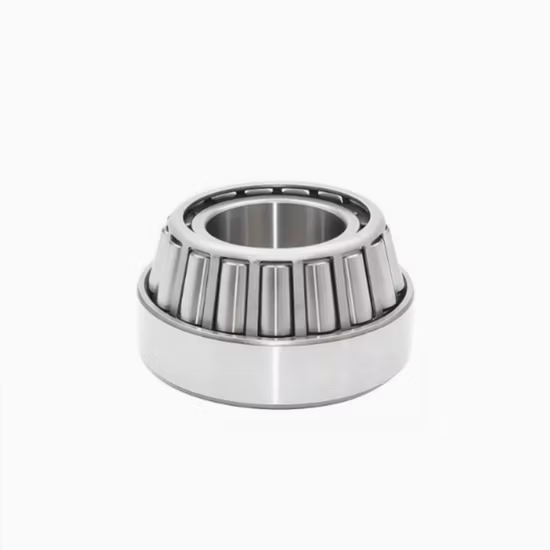
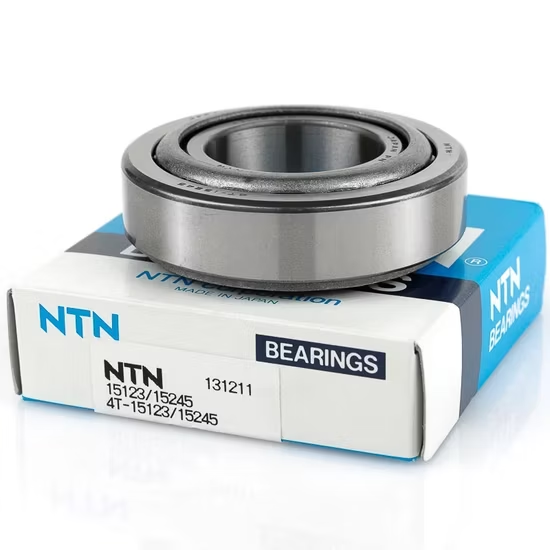
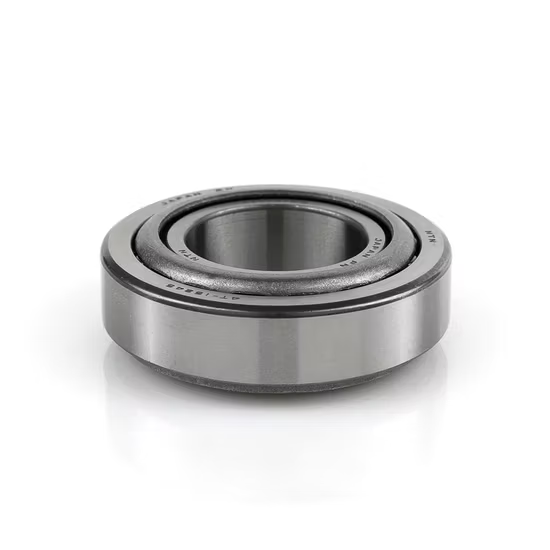
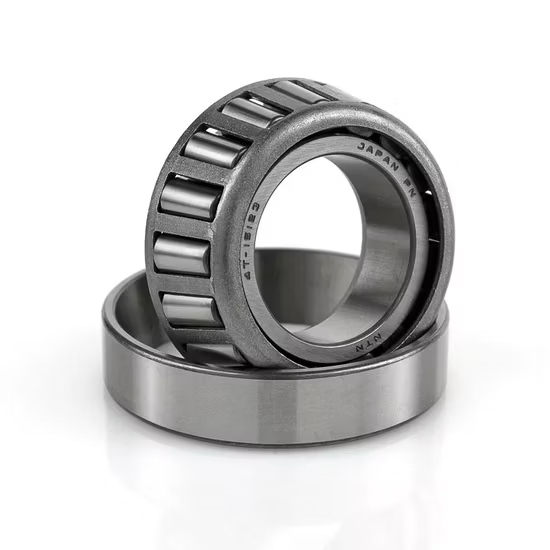
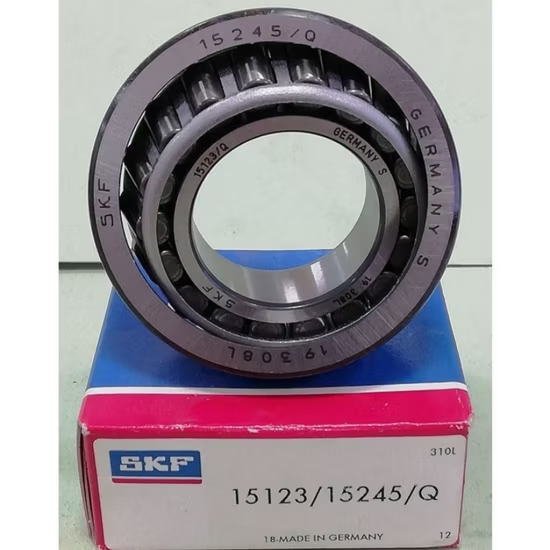
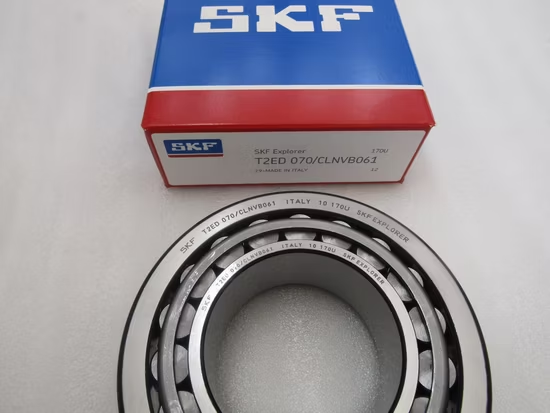
15123/15245 Inch Tapered Roller Bearing P4 — single-row design optimized for combined radial and axial loads in automotive wheel hubs and industrial gearboxes.
Traceable Batch Origins — Every 15123/15245 set ships with manufacturer lot documentation to verify GCr15 steel authenticity and prevent soft inner ring failures.
| Parameter | Value |
|---|---|
| Designation | 15123/15245 |
| Bearing Type | Inch Tapered Roller Bearing |
| Number of Rows | Single Row |
| Precision Class | P4 |
| Material | GCr15 (High Carbon Chromium Bearing Steel) |
| Cage Material Options | Nylon, Brass, or Iron |
| Origin Options | Germany, Japan, Sweden, Malaysia, or China |
| Industry | Typical Applications |
|---|---|
| Automotive & Heavy Vehicles | Wheel hub assemblies, heavy-duty truck axles, trailer wheel ends |
| Industrial Power Transmission | Helical gear reducers, heavy machinery drive shafts |
| Manufacturing & Processing | Conveyor drive rollers, building material processing equipment |
Premature spalling usually traces back to compromised inner ring hardness rather than excessive operational loads.
In the Latin American aftermarket, I have seen countless wheel hubs destroyed because a cloned 15123/15245 inch tapered roller bearing featured an inner cone with hardness well below specification. When the cone raceway cannot withstand the contact stress of heavy axle loads, microscopic pitting rapidly escalates into catastrophic spalling . Sourcing genuine components with verified heat treatment is the only way to prevent these warranty-voiding field returns.
Selecting the correct internal geometry for this inch series designation requires looking beyond the basic bore and outside diameter. We cross-reference the exact cage material and roller profile against your OEM equipment requirements to ensure the bearing handles the specific combined radial and thrust loads present in heavy vehicle axles. This precise matching prevents the thermal binding that often plagues generic replacements.
Wheel hub environments subject bearings to severe moisture ingress, road salt, and fluctuating temperatures that dictate lubrication and clearance choices. In industrial gearboxes, high rotational speeds generate internal heat, demanding a cage material that minimizes friction while maintaining roller alignment. Proper sealing integration and selecting the correct lubrication interval are critical to preventing abrasive wear and raceway scoring .
The designation 15123 identifies the inner ring (cone), while 15245 specifies the outer ring (cup), and both must be manufactured to matching tolerances for optimal load distribution. Achieving P4 precision ensures tighter dimensional and running accuracy compared to standard P0 grades, which is vital for minimizing vibration in high-speed gearboxes. The GCr15 high carbon chromium bearing steel provides the necessary hardenability for demanding load conditions, while available cage options in nylon, brass, or iron allow customization for specific speed and vibration profiles.
Installing a bearing where the base number matches but the internal design differs from the OEM specification leads to unpredictable fatigue life and sudden mechanical seizure. According to ISO 15243 frameworks, incorrect internal clearance or mismatched cage materials accelerate subsurface fatigue, resulting in unplanned downtime and severe damage to adjacent shaft and housing components . These hidden costs far exceed the initial savings of purchasing unverified inventory.
We authorize distribution across major brands, meaning a single order handles mixed-brand requirements without coordinating multiple suppliers. Batch traceability to the manufacturer with QR verification through brand official apps guarantees the GCr15 material integrity of every 15123/15245 set. Our cross-reference matching verifies the exact internal design and cage material required by your equipment, not just the base designation. Application-based selection reviews cover load, speed, and mounting to prevent field failures, backed by full documentation before shipment.
To ensure optimal performance, share your specific radial and axial load profiles, operating speeds, and thermal conditions for a comprehensive L10 life calculation. Providing the exact OEM equipment number allows our engineering team to perform a strict cross-reference check, verifying that the internal geometry and cage material perfectly match your application requirements. This technical review eliminates the guesswork and prevents costly misapplications in critical wheel hub and gearbox assemblies.
Q: Why must cross-referencing align cage material and internal design, not just the base 15123/15245 number?
A: Base numbers often ignore critical internal variations. A mismatched cage or incorrect roller profile causes thermal binding or premature fatigue under heavy axle loads. We verify the exact internal geometry against your OEM specifications to ensure the bearing survives the specific operational stresses of your equipment, preventing early field failures.
Q: How do I verify bearing authenticity and batch traceability using official QR codes?
A: Every shipment includes batch documentation with scannable QR codes linked to the manufacturer's official verification apps. Scanning confirms the GCr15 material origin, heat treatment records, and production lot. This digital traceability proves the inner ring hardness meets specification, protecting your operation from the devastating effects of counterfeit soft steel.
Q: What impact does P4 precision have on load distribution in tapered roller applications?
A: P4 precision provides significantly tighter dimensional and running accuracy than standard grades. In high-speed gearboxes or precision wheel hubs, this exactness ensures optimal contact stress distribution across the rollers. The result is noticeably reduced vibration, lower operating temperatures, and an extended fatigue life for the entire shaft assembly.
Q: What are the recommended mounting practices for inch tapered roller bearings?
A: Proper mounting requires clean environments and precise axial clearance adjustment. The 15123 inner cone should be mounted using controlled induction heating to avoid localized thermal damage. Correct seating against the shaft shoulder and precise preload setting are essential to accommodate thermal expansion and prevent the rollers from skidding during operation.
Q: How do I identify the correct lubrication and relubrication intervals for automotive applications?
A: Lubrication depends on the operating temperature, speed, and contamination level of the wheel hub or gearbox. We review your specific environmental conditions to recommend the appropriate grease type and relubrication volume. Correct lubrication prevents abrasive wear and ensures the chosen cage material operates within its thermal limits, maximizing service life.
Our 5-step process ensures every order is engineered, validated, and supported for optimal performance.
Technical needs assessment
Custom specifications
Free samples for $50k+
Pre-shipment inspection
On-site & predictive
Our certified engineers respond within 24 hours with detailed technical specifications, pricing, and lead time information.


