01
Consultation
Technical needs assessment

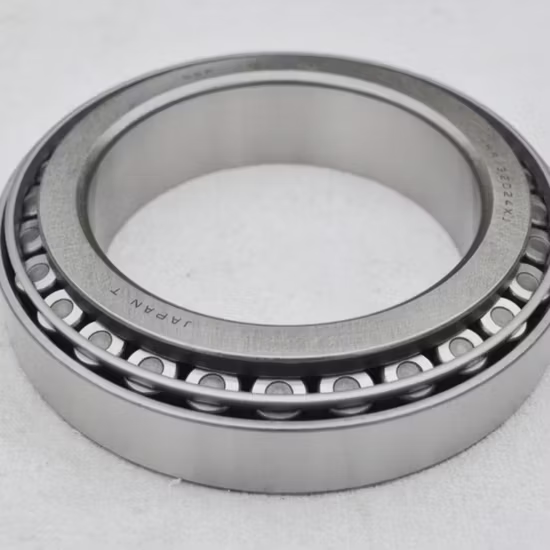
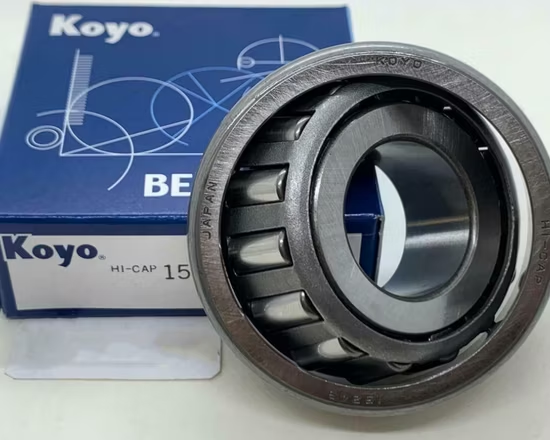
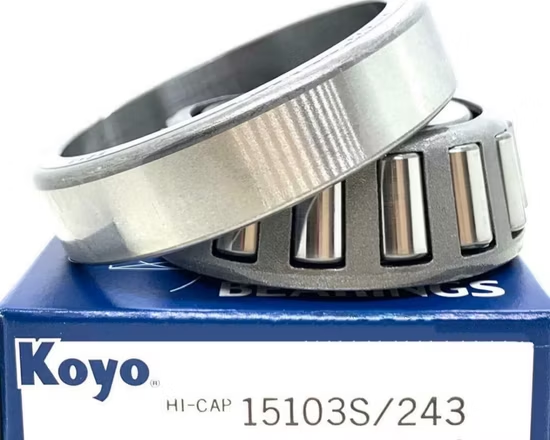
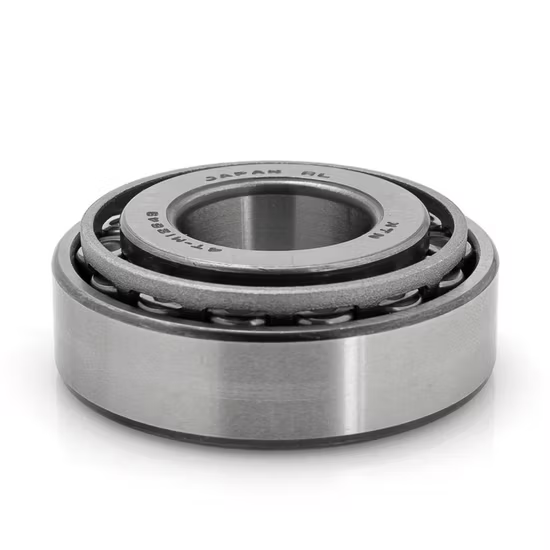
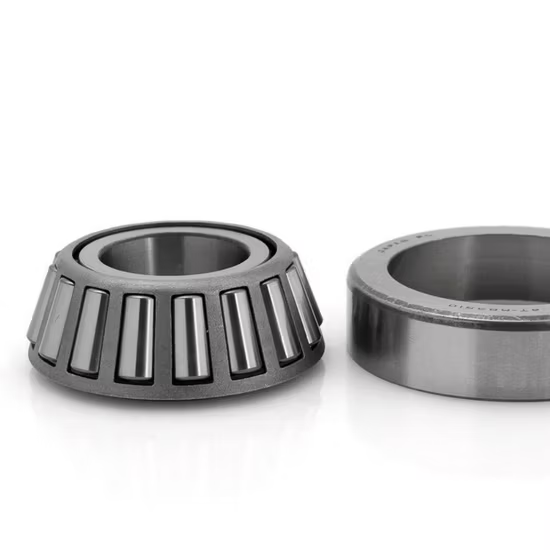
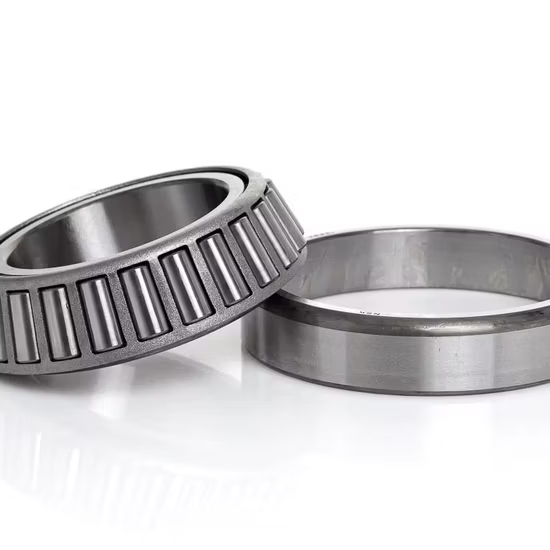
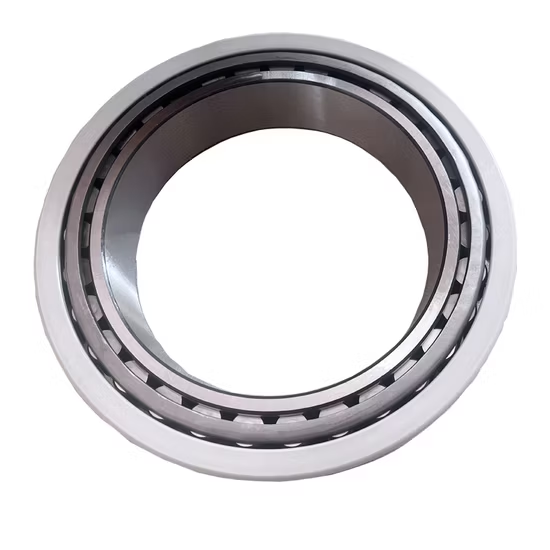
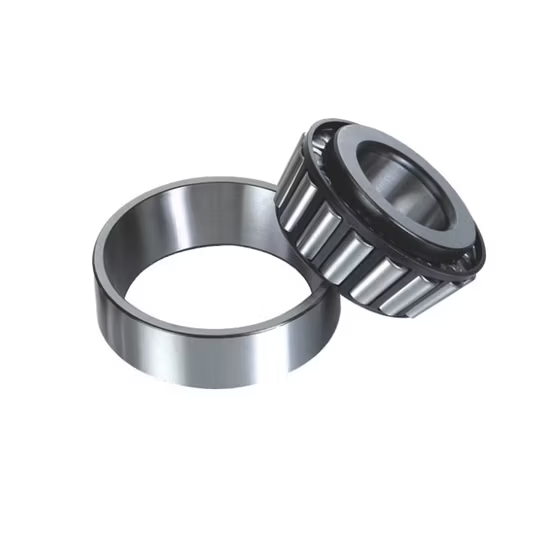
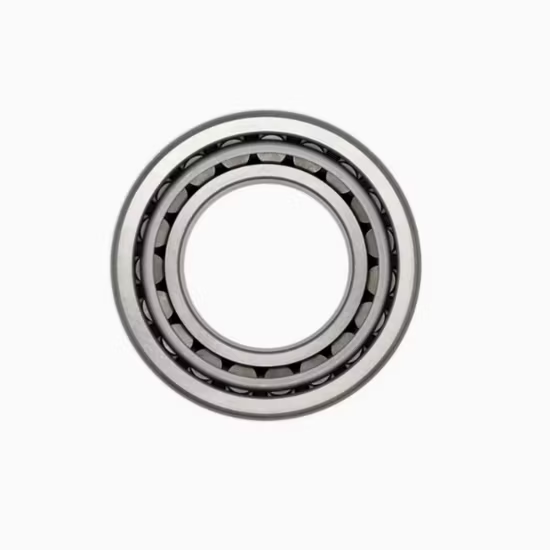
15103S/15243 Inch Tapered Roller Bearing P4 — Manufactured from GCr15 bearing steel for optimal hardness in automotive wheel hubs and industrial gearboxes. The P4 precision class ensures tighter dimensional and running accuracy for demanding applications.
Multi-brand authorized coverage — Consolidate your mixed-brand requirements into a single shipment with full batch traceability for every 15103S/15243 inch tapered roller bearing unit.
| Parameter | Value |
|---|---|
| Designation | 15103S/15243 |
| Bearing Type | Tapered Roller Bearing |
| Precision Class | P4 |
| Material | GCr15 bearing steel |
| Cage Material Options | Nylon, Brass, or Iron |
| Cup Designation | 15243 |
| Cone Designation | 15103S |
| Origin Options | Germany, Japan, Sweden, Malaysia, or China |
| Industry | Typical Applications |
|---|---|
| Automotive & Heavy Vehicles | Wheel hub assemblies and truck axle differentials |
| Industrial Power Transmission | Heavy-duty industrial gearboxes and reduction units |
| Material Processing | Building material machinery conveyors and drives |
Dimensional interchangeability does not guarantee internal design compatibility.
Many procurement engineers assume that matching the basic cone and cup numbers is sufficient for a safe replacement. In my early days on the grinding floor in Dongguan, I learned the hard way that overlooking suffix variations leads to catastrophic thermal binding under heavy loads. When a 15103S/15243 inch tapered roller bearing is sourced based solely on outer dimensions, microscopic differences in internal geometry or cage clearance can cause the inner ring to seize during high-temperature operation.
Sourcing the correct 15103S/15243 inch tapered roller bearing requires verifying that the internal contact angles and roller profiles align with the original equipment manufacturer's drivetrain specifications. Our technical team reviews the exact load distribution and mounting conditions to ensure the replacement handles the specific combined forces present in automotive axles. This application-based selection prevents premature wear caused by mismatched internal geometries that standard catalog lookups often miss.
Automotive wheel hubs and truck axles subject bearings to intense radial loads combined with significant axial thrust during cornering. These dynamic forces generate substantial friction heat, which directly impacts the internal clearance of the assembly. If the thermal expansion of the shaft and housing is not properly accommodated by the correct internal clearance class, the rolling elements will experience excessive preload. Proper lubrication selection and precise mounting adjustment are critical to preventing cage failure and maintaining stable operation under these demanding thermal conditions.
The P4 precision class ensures tighter dimensional and running accuracy than standard grades, which is vital for minimizing vibration in high-speed gearboxes and wheel hubs. Constructed from GCr15 bearing steel, the components achieve the necessary core hardness and wear resistance to withstand continuous rolling contact fatigue. Depending on the specific operating environment, the cage material can be specified from available nylon, brass, or iron variants to optimize performance across different speed and temperature thresholds. It is important to note that the "S" suffix in the 15103S cone designation remains an unverified suffix requiring manufacturer catalog confirmation to ensure exact internal design alignment.
Installing a bearing that matches the base size but lacks the correct internal design inevitably leads to unplanned downtime and catastrophic damage to the surrounding axle housing. When the internal clearance fails to accommodate operational heat, the resulting thermal binding destroys the cage and scores the raceways. Such premature failures not only void equipment warranties but also trigger expensive secondary repairs that far exceed the initial component cost. Adhering to strict failure mode analysis frameworks helps identify these hidden risks before the equipment is deployed.
We eliminate the risk of receiving counterfeits with soft inner rings by supplying exclusively through authorized distribution channels with verifiable documentation. Every 15103S/15243 inch tapered roller bearing order is backed by batch traceability, ensuring you can verify the exact production lot through official brand applications. Our cross-reference process goes beyond basic designation matching to rigorously align internal design, cage material, and precision suffixes. This comprehensive technical review guarantees that the replacement component perfectly mirrors the demanding requirements of your specific automotive or industrial application.
To ensure complete compatibility, please provide the exact radial and axial load parameters along with the operational speed and temperature ranges of your application. Supplying the original equipment manufacturer's part number allows our engineering team to perform a rigorous cross-reference check against the 15103S/15243 internal design. Sharing these specific operating conditions enables us to recommend the optimal cage material and confirm the necessary clearance class for your drivetrain.
Q: How do I verify the authenticity of the 15103S/15243 bearings upon delivery?
A: You can verify authenticity by scanning the QR codes on the packaging using the official mobile applications provided by the respective bearing manufacturers. We supply complete batch and lot traceability documentation with every shipment, allowing you to cross-check the production records directly against the manufacturer's database to ensure the components are genuine and free from counterfeit risks.
Q: What cross-reference checks are critical when replacing inch tapered roller bearings?
A: A reliable cross-reference must verify the internal contact angle, cage material, and precision suffixes, rather than just matching the basic cone and cup numbers. Overlooking these details can result in thermal binding or cage failure. Our technical team reviews the complete designation string to ensure the replacement perfectly aligns with your equipment's original design requirements and operating conditions.
Q: How do I select the correct cage material for my specific operating conditions?
A: Cage selection depends on the operational speed, temperature, and load characteristics of your application. Nylon cages offer low friction for high-speed use, while brass or iron cages provide superior durability under heavy loads and elevated temperatures. Provide your specific operating parameters, and our engineers will recommend the most suitable material variant for your drivetrain.
Q: What is the practical difference between standard precision and P4 class in tapered rollers?
A: P4 precision class guarantees significantly tighter dimensional and running accuracy compared to standard grades. This enhanced precision minimizes vibration, reduces operational noise, and ensures more predictable load distribution across the rolling elements. For high-speed gearboxes and automotive wheel hubs, P4 tolerances are essential for extending service life and maintaining stable performance.
Q: How should I handle the mounting and adjustment of inch-series tapered roller bearings?
A: Proper mounting requires controlled induction heating for the outer ring and precise torque adjustment of the axle nut to set the correct internal clearance. Incorrect adjustment can lead to excessive preload and thermal seizure. We recommend following the manufacturer's specific mounting guidelines and utilizing calibrated tools to ensure the bearing operates within its designed geometric parameters.
Our 5-step process ensures every order is engineered, validated, and supported for optimal performance.
Technical needs assessment
Custom specifications
Free samples for $50k+
Pre-shipment inspection
On-site & predictive
Our certified engineers respond within 24 hours with detailed technical specifications, pricing, and lead time information.