01
Consultation
Technical needs assessment

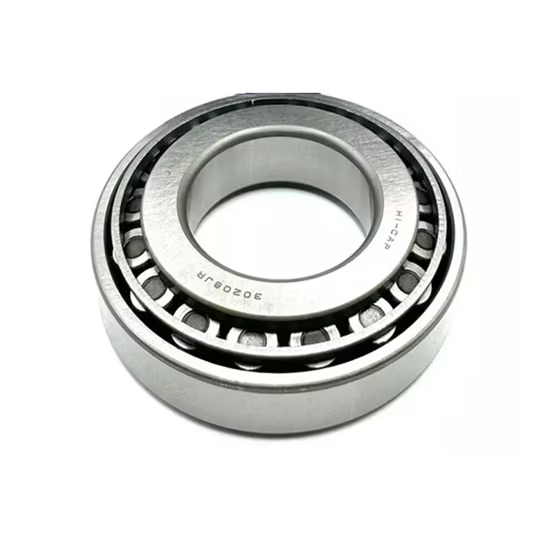
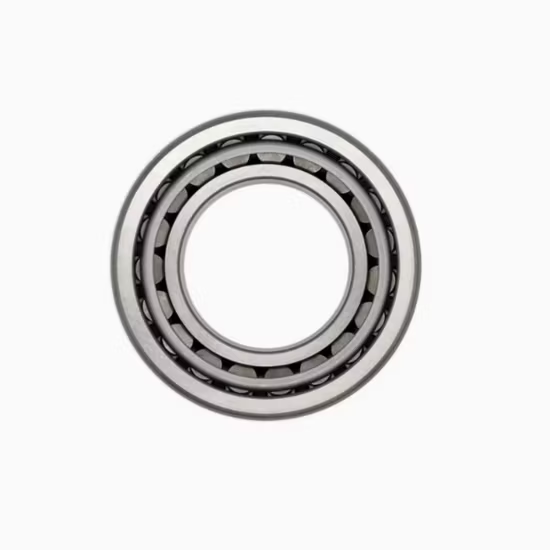
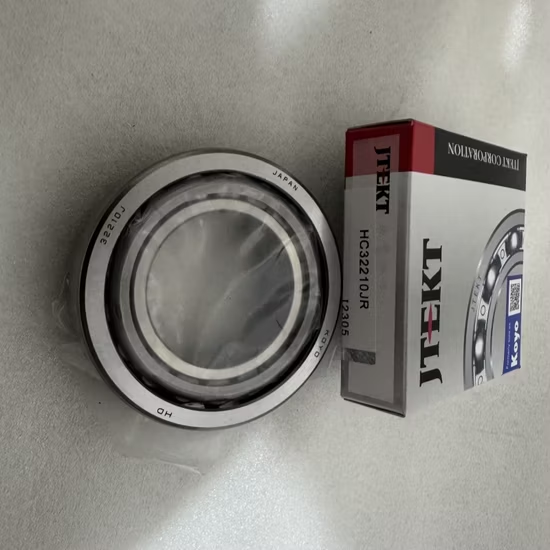
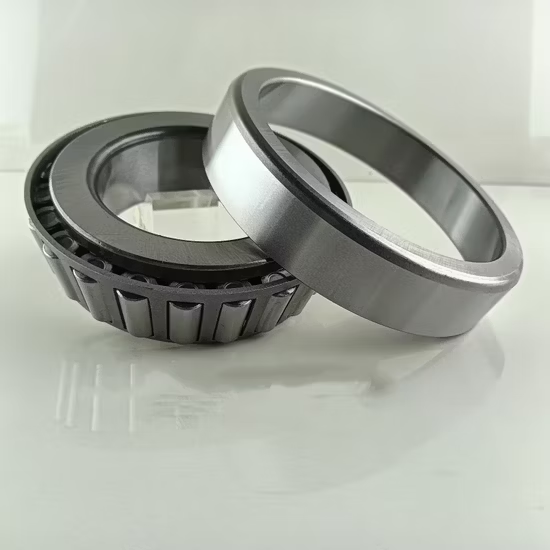
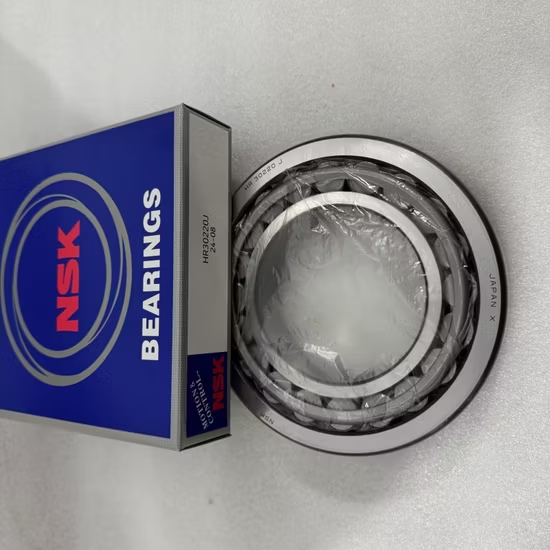
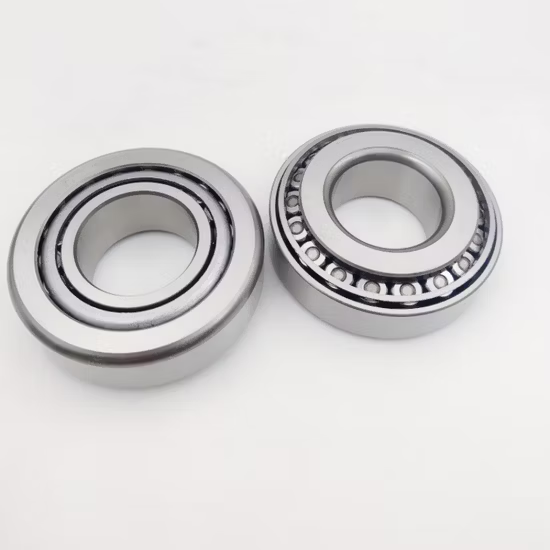
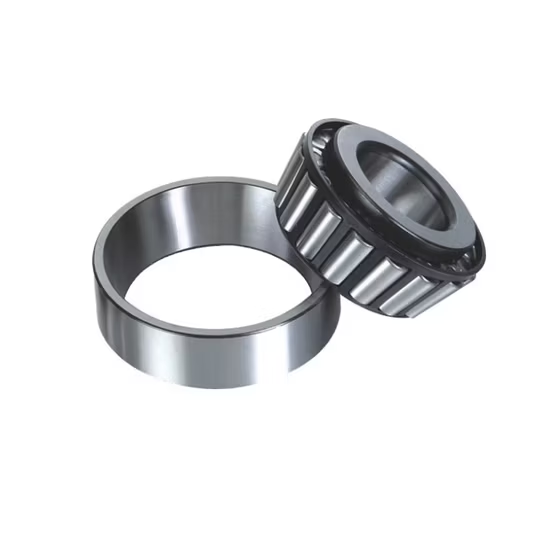
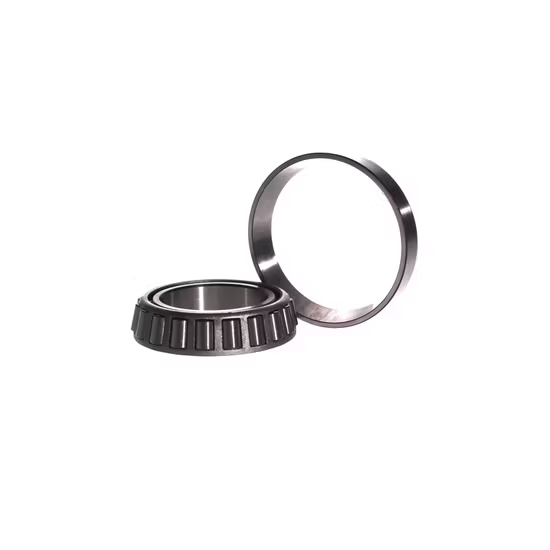
30200 30201 Tapered Roller Bearing P4 — Single row GCr15 steel construction handles combined radial and axial loads for automotive wheel hubs and industrial gearboxes.
Full Brand Authorization Coverage — Consolidate mixed-brand requirements into a single shipment without coordinating multiple suppliers for your drivetrain spares.
| Parameter | Value |
|---|---|
| Designation | 30200 30201 |
| Bearing Type | Tapered Roller Bearing |
| Number of Rows | Single Row |
| Precision Class | P4 |
| Material | GCr15 |
| Cage Material | Nylon, Brass, or Iron options |
| Origin | Shanghai |
Note: The specific suffix configuration for 30200 30201 requires manufacturer catalog confirmation to verify internal design variations.
| Industry | Typical Applications |
|---|---|
| Automotive & Heavy Vehicle | Wheel hub assemblies, truck axle differentials |
| Industrial Machinery | Heavy-duty gearbox pinion shafts, marine drive reduction gears |
Matching the basic designation is never enough; internal design variations dictate survival under load.
Procurement engineers often source 30200 30201 tapered roller bearing sets based solely on the base number, only to face catastrophic thermal binding in the field. When cross-reference errors overlook critical precision suffixes or cage materials, the equipment suffers from premature cage failure and unplanned downtime. Sourcing authentic components requires verifying that the internal geometry perfectly aligns with the specific thermal and mechanical demands of the application .
Selecting the correct 30200 30201 tapered roller bearing requires aligning the component's internal clearance and precision class with the operational envelope of the gearbox or axle. Our technical team reviews the specific load profiles and thermal expansion characteristics of your machinery to ensure the selected configuration prevents edge-loading and maintains optimal rolling contact.
Wheel hubs and industrial gearboxes subject tapered roller bearings to complex combined radial and axial loads, often accompanied by severe shock loading. Elevated operating temperatures demand careful consideration of internal clearance to accommodate thermal expansion without inducing excessive preload. Proper lubrication selection and contamination exclusion are equally critical to prevent abrasive wear and surface fatigue in demanding environments .
The P4 precision class ensures significantly tighter dimensional and running accuracy compared to standard grades, which is vital for minimizing vibration in high-speed pinion shafts. GCr15 high-carbon chromium bearing steel provides the necessary core toughness and raceway hardness for optimal fatigue life. Furthermore, the availability of nylon, brass, or iron cage options allows engineers to tailor the bearing to specific speed and vibration constraints, ensuring reliable operation under diverse lubrication conditions.
Installing a bearing with incorrect internal clearance or an unsuitable cage material inevitably leads to premature failure and catastrophic damage to surrounding shaft and housing components. Such failures void equipment warranties and trigger extensive unplanned downtime that far exceeds the initial component cost. Adhering to strict dimensional and material verification protocols is the only defense against these compounding operational losses .
We provide authorized coverage across all major brands, allowing you to fulfill mixed-brand MRO requirements in a single order. Every batch features complete traceability to the manufacturer, verified via official QR apps to eliminate the risk of counterfeit rings with soft inner cores. Our cross-referencing process strictly aligns base designations with clearance and precision suffixes, preventing the dangerous mismatches that cause thermal binding. Additionally, our application-based selection review ensures the chosen cage material and internal geometry perfectly suit your specific load and temperature conditions.
To ensure accurate selection and L10 life verification, please provide detailed operating parameters including radial and axial loads, operating speeds, and expected temperature ranges. Sharing the specific OEM equipment numbers allows our engineering team to perform a comprehensive cross-reference check against your existing drivetrain configurations. This technical data enables us to recommend the optimal internal clearance and cage material for your application.
Q: How do I verify the authenticity of the received components?
A: Every set includes batch traceability documentation and a unique QR code. By scanning this code through the manufacturer's official mobile application, you can instantly verify the origin and production details, ensuring the GCr15 steel and P4 precision specifications are genuine and not counterfeit clones.
Q: Why must cross-referencing include clearance and precision suffixes?
A: Matching only the base number often results in installing standard clearance where thermal expansion requires a C3 equivalent. This oversight causes internal preload to spike as the axle heats up, leading to rapid thermal binding, cage destruction, and severe damage to the surrounding housing and shaft components.
Q: What are the clearance equivalences between ISO and ABEC standards?
A: ISO and ABEC standards define precision classes differently, but internal radial clearance follows specific ISO designations. When replacing an existing unit, it is critical to map the original equipment manufacturer's internal clearance requirements to the equivalent ISO standard to maintain proper thermal expansion compensation and load distribution.
Q: How do I choose between nylon, brass, or iron cages?
A: Cage selection depends on operating speed, temperature, and lubrication. Nylon cages offer low friction and quiet operation at moderate temperatures, while brass or iron cages provide superior structural integrity and heat dissipation for heavy-load, high-temperature gearbox applications where lubrication film thickness might fluctuate.
Q: What mounting practices are recommended for these tapered roller bearings?
A: Proper mounting requires controlled induction heating for the inner rings to achieve the necessary interference fit on the shaft without damaging the P4 precision raceways. Always follow the manufacturer's guidelines for setting the correct endplay or preload during the final assembly of the wheel hub or gearbox shaft.
Our 5-step process ensures every order is engineered, validated, and supported for optimal performance.
Technical needs assessment
Custom specifications
Free samples for $50k+
Pre-shipment inspection
On-site & predictive
Our certified engineers respond within 24 hours with detailed technical specifications, pricing, and lead time information.