01
Consultation
Technical needs assessment


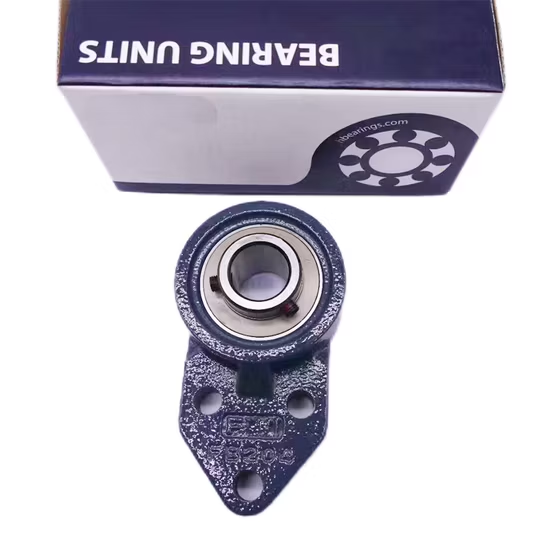
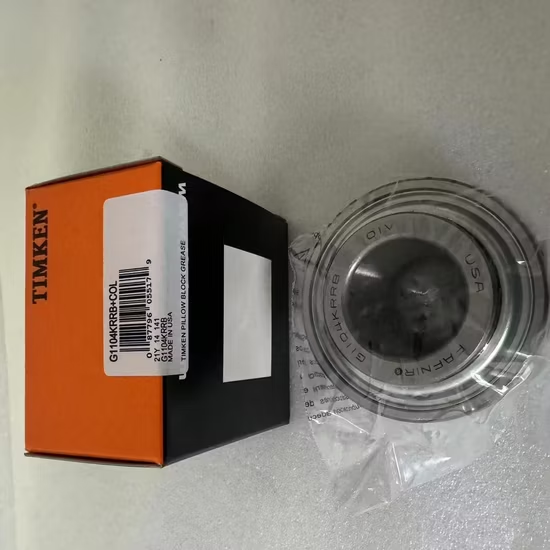
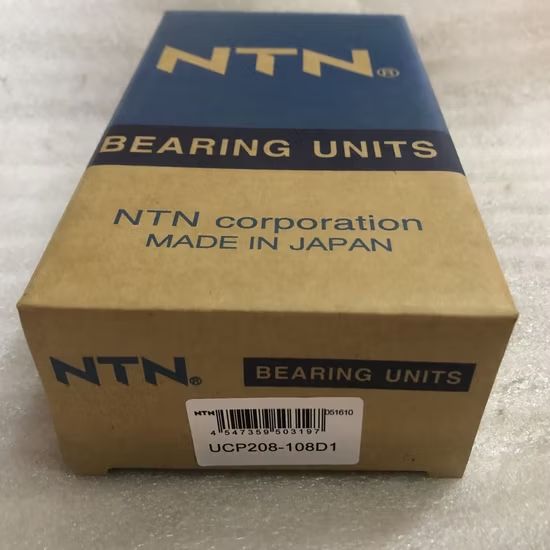
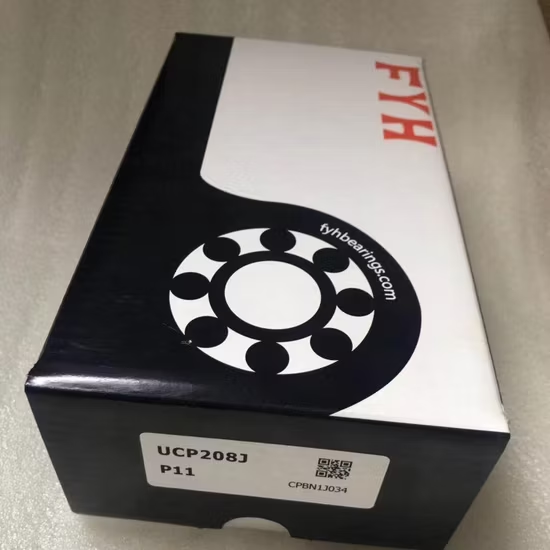
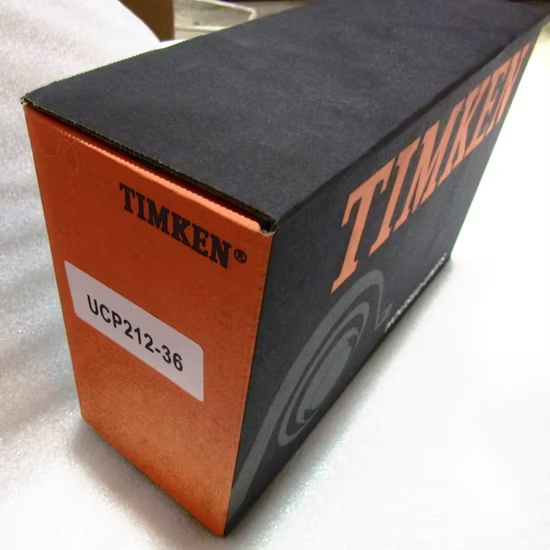
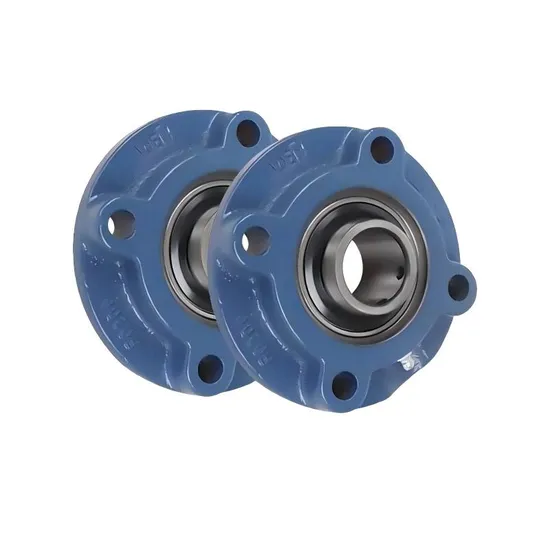
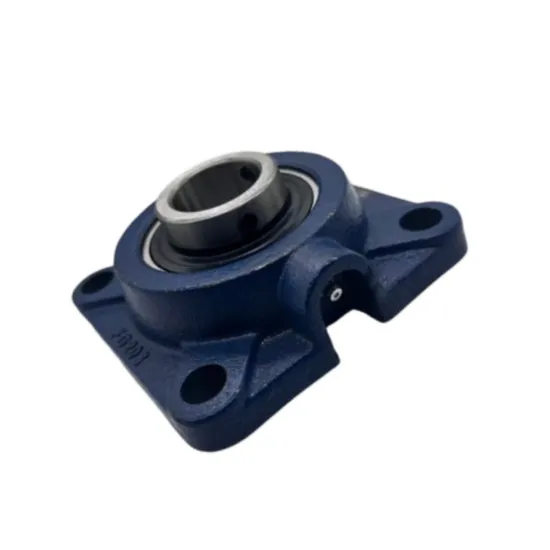
UCP205 P210 Pillow Block Bearing Unit featuring a cast iron housing for structural rigidity and a deep groove raceway to manage standard radial loads.
Multi-brand authorized supply — consolidating SKF, FAG, and NSK pillow block requirements into a single purchase order eliminates multi-vendor coordination delays and mixed-documentation headaches.
| Parameter | Value |
|---|---|
| Designation | UCP205 P210 |
| Product Type | Insert Bearing / Pillow Block Unit |
| Housing Material | Cast Iron |
| Raceway Type | Deep Groove Raceway |
| Rows Number | Single |
| Bearing Block Model | P |
| Feature Options | Available in corrosion-resistant, high-temperature, or high-speed variants |
| Origin | Germany / Japan / Sweden / Malaysia / China |
Note: The specific numerical suffixes in this identifier are unverified and require manufacturer catalog confirmation for exact dimensional cross-referencing.
| Industry | Typical Applications |
|---|---|
| Agricultural Machinery | Combine harvester auger drives, tractor PTO shaft supports |
| Conveyor Systems | Belt conveyor tail pulleys, roller bed drive stations |
| Textile Machines | Yarn winding spindle supports, loom let-off mechanisms |
Mismatched internal clearances cause thermal binding long before the cast iron housing cracks.
When replacing a UCP205 P210 pillow block bearing in high-ambient-temperature environments, procurement teams often focus solely on the base bore size. I have seen countless units seize in the field because a standard CN clearance was installed where a C3 was strictly required for thermal expansion. The inner ring expands, eliminates the internal clearance, and the bearing locks up under load . Sourcing an exact cross-reference means verifying the clearance suffix, the sealing friction, and the housing alignment capabilities, not just matching the basic numeric designation.
Selecting the correct UCP205 P210 pillow block bearing requires evaluating the specific contamination and thermal profile of the equipment. For agricultural augers exposed to abrasive crop dust, the seal type must prevent particulate ingress without generating excessive friction heat. We review the application parameters to ensure the insert bearing's internal geometry and the cast iron housing's structural rigidity align with the actual radial loads and shaft deflection expected on the farm or factory floor.
In conveyor drive stations, continuous operation elevates the shaft temperature significantly. If the internal clearance is not specified to accommodate this thermal growth, the rolling elements will skid rather than roll. Furthermore, the lubrication interval and grease type must match the operating speed; a high-speed variant requires a low-viscosity synthetic grease to prevent churning losses, while high-temperature applications demand specialized thickeners that resist degradation .
The deep groove raceway design within the insert handles standard radial loads efficiently, while the single-row configuration keeps the axial profile compact for tight conveyor frames. The P-model cast iron housing provides the necessary structural mass to dampen vibrations from heavy agricultural implements. When evaluating feature options, selecting a corrosion-resistant variant is critical for textile machines exposed to humid conditioning environments, ensuring the housing and outer ring resist surface pitting.
Ignoring the precision and clearance suffixes during replacement leads to catastrophic damage rather than simple wear. According to ISO 15243 frameworks, premature failure often stems from incorrect mounting fits or unaccommodated thermal expansion, which rapidly destroys the raceway . This results in unplanned downtime, shattered shafts, and voided equipment warranties, costing far more than the initial price difference of a correctly specified unit.
Our technical review process prevents the common error of supplying a rigid housing when a self-aligning insert is needed to compensate for shaft misalignment. We provide exact cross-referencing that aligns the internal clearance and cage material, rather than just matching the basic number. Every unit ships with batch traceability to the manufacturer, ensuring the cast iron metallurgy meets original equipment specifications. We also verify that high-temperature or corrosion-resistant feature variants genuinely possess the required material treatments, eliminating the risk of soft inner rings found in counterfeit batches.
To ensure precise selection and L10 life calculation, please provide the exact radial and axial loads, operating speeds, and ambient temperature ranges for your application. If you are replacing an existing unit, sharing the OEM equipment number allows our engineering team to perform a comprehensive cross-reference check. Detailing the environmental exposure, such as abrasive dust or washdown chemicals, helps us determine if a corrosion-resistant or specialized sealing variant is required.
Q: How do I verify the authorization of the supplier for this specific pillow block?
A: You can verify our authorization by requesting our official distribution certificates for major international brands. Additionally, every UCP205 P210 pillow block bearing we supply includes batch traceability documentation and a QR code that can be scanned using the manufacturer's official mobile application to confirm its authentic origin and production details.
Q: Why is cross-referencing more than just the base number important for replacements?
A: Matching only the base number often overlooks critical internal differences. A replacement might have the correct bore but feature a standard clearance instead of the required C3 for thermal expansion, or lack the specific seal type needed for agricultural dust. We cross-reference the clearance, cage material, and sealing arrangement to ensure the unit survives the actual operating conditions.
Q: What is the difference between cast iron and stamped steel housings for these applications?
A: Cast iron housings, like the P-model, offer superior structural rigidity, vibration damping, and load-bearing capacity, making them ideal for heavy agricultural and conveyor drives. Stamped steel housings are noticeably lighter and suited for light-duty, low-load applications where weight reduction is prioritized over extreme structural durability and shock absorption.
Q: How should I interpret the unverified numerical suffixes in the designation?
A: The numerical suffixes in this specific identifier require confirmation against the manufacturer's current catalog to verify exact bore diameters and housing dimensions. When requesting a quote, providing your exact shaft size and mounting centerline distances allows us to map these numbers to the correct, fully verified current production designations.
Q: What tools are recommended for mounting the insert bearing into the housing?
A: It is highly recommended to use an induction heater to expand the inner ring evenly without damaging the seals or raceway. Avoid using open flames or hammers, as localized overheating alters the steel hardness, and mechanical shock can brinell the deep groove raceway, leading to premature vibration and failure in the field.
Our 5-step process ensures every order is engineered, validated, and supported for optimal performance.
Technical needs assessment
Custom specifications
Free samples for $50k+
Pre-shipment inspection
On-site & predictive
Our certified engineers respond within 24 hours with detailed technical specifications, pricing, and lead time information.