01
Consultation
Technical needs assessment

![UCFL201-8 UCFL201-9 UCFL201-10 UCFL201-11 Pillow Block Bearing [WARN] draft identifier mismatch - 1](https://skfiso.com/wp-content/uploads/2026/09/ucfl201-8-ucfl201-9-ucfl201-10-ucfl201-11-pillow-block-bearing-warn-draft-identifier-mismatch-f6162d.avif)
![UCFL201-8 UCFL201-9 UCFL201-10 UCFL201-11 Pillow Block Bearing [WARN] draft identifier mismatch - 2](https://skfiso.com/wp-content/uploads/2026/09/ucfl201-8-ucfl201-9-ucfl201-10-ucfl201-11-pillow-block-bearing-warn-draft-identifier-mismatch-6657a3.avif)
![UCFL201-8 UCFL201-9 UCFL201-10 UCFL201-11 Pillow Block Bearing [WARN] draft identifier mismatch - 3](https://skfiso.com/wp-content/uploads/2026/09/ucfl201-8-ucfl201-9-ucfl201-10-ucfl201-11-pillow-block-bearing-warn-draft-identifier-mismatch-142e8d.avif)
![UCFL201-8 UCFL201-9 UCFL201-10 UCFL201-11 Pillow Block Bearing [WARN] draft identifier mismatch - 4](https://skfiso.com/wp-content/uploads/2026/09/ucfl201-8-ucfl201-9-ucfl201-10-ucfl201-11-pillow-block-bearing-warn-draft-identifier-mismatch-334e36.avif)
![UCFL201-8 UCFL201-9 UCFL201-10 UCFL201-11 Pillow Block Bearing [WARN] draft identifier mismatch - 5](https://skfiso.com/wp-content/uploads/2026/09/ucfl201-8-ucfl201-9-ucfl201-10-ucfl201-11-pillow-block-bearing-warn-draft-identifier-mismatch-98464e.avif)
![UCFL201-8 UCFL201-9 UCFL201-10 UCFL201-11 Pillow Block Bearing [WARN] draft identifier mismatch - 6](https://skfiso.com/wp-content/uploads/2026/09/ucfl201-8-ucfl201-9-ucfl201-10-ucfl201-11-pillow-block-bearing-warn-draft-identifier-mismatch-cb3aa3.avif)
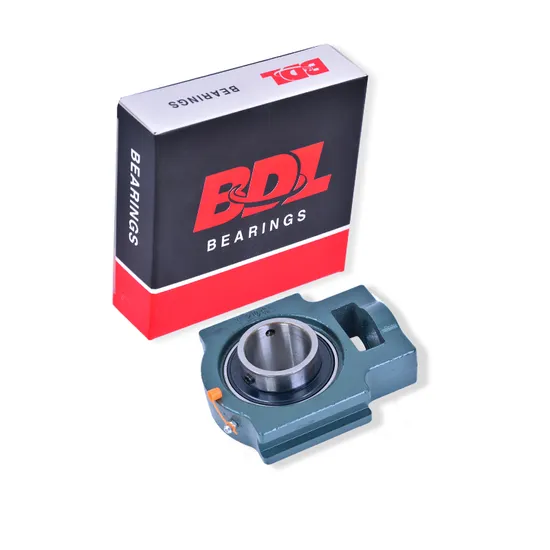
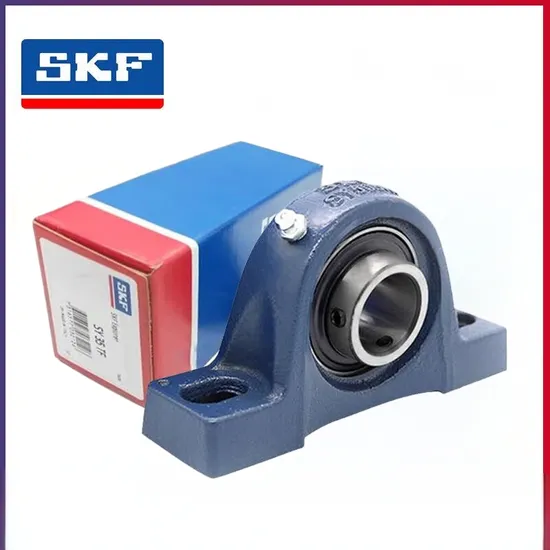
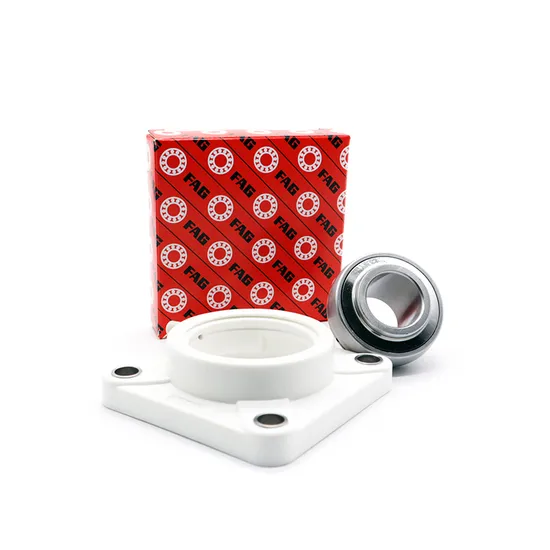
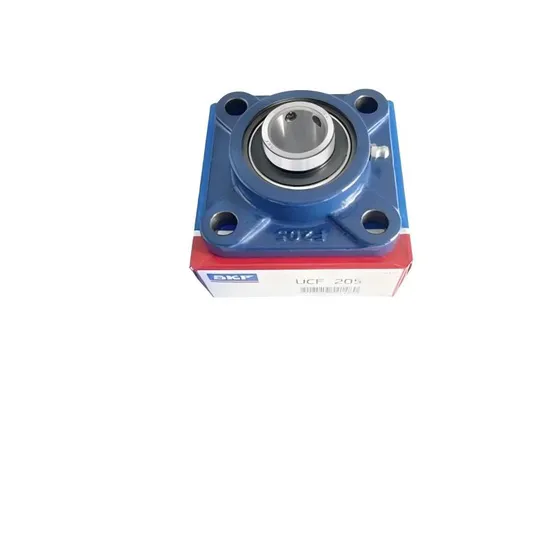
UCFL201-8 Two-Bolt Flange Pillow Block Bearing — set screw locking insert in a two-bolt flanged housing, normal duty wide inner ring series with 1/2 inch bore. Deep groove raceway supports radial loads with moderate misalignment tolerance, while the cast iron housing suits agricultural and conveyor environments. - Shipped units include QR codes scannable through official brand apps for instant batch authenticity verification.
Traceable Batch Origins — Every UCFL201-8 insert bearing pillow block unit ships with manufacturer lot documentation for full supply chain visibility.
| Parameter | Value |
|---|---|
| Designation | UCFL201-8 |
| Product Type | Insert Bearing / Pillow Block Unit |
| Bearing Type | Insert Bearing with Set Screw Locking |
| Housing Type | Two-Bolt Flange Housing |
| Bore Diameter (d) | 1/2 inch |
| Number of Rows | Single |
| Raceway | Deep Groove Raceway |
| Housing Material | Cast Iron |
| Origin | Germany / Japan / Sweden / Malaysia / China |
| HS Code | 8483200000 |
| Industry | Typical Applications |
|---|---|
| Agricultural Machinery | Tractor PTO shaft supports, harvester auger drives, planter metering mechanisms |
| Material Handling | Belt conveyor tail pulleys, bucket elevator return sprockets, roller bed idlers |
| Textile Machines | Yarn winding spindle supports, loom take-up rollers, dyeing vat agitators |
Matching the base number while ignoring internal clearance and seal suffixes turns a simple replacement into a chronic failure point.
When sourcing a UCFL201-8 insert bearing pillow block unit for agricultural or material handling equipment, buyers often focus solely on the bore size and housing bolt pattern. This oversight leads to installing standard clearance bearings in high-temperature conveyor zones or using non-contact shields in heavy dust environments. The result is rapid thermal binding or particulate ingress that destroys the raceway. . Field experience in harsh climates shows that ignoring the specific wide inner ring and set screw locking design compromises the entire shaft alignment, causing unplanned downtime long before the housing itself shows any wear.
The two-bolt flange configuration provides a compact mounting footprint ideal for spaces where a standard pillow block cannot fit. Sourcing the correct UCFL201-8 insert bearing pillow block unit ensures the deep groove raceway accommodates moderate radial loads while the spherical outer ring compensates for minor shaft misalignment. Our cross-brand interchange process verifies that the replacement unit maintains the exact housing bolt spacing and pilot diameter required by the original equipment manufacturer.
In agricultural and material handling applications, the bearing faces a combination of fine particulate contamination and moisture exposure. The deep groove raceway requires effective sealing to prevent abrasive dust from mixing with the lubricant, which accelerates wear and increases friction. Temperature fluctuations during continuous operation demand appropriate internal clearance to prevent the rolling elements from skidding or binding under thermal expansion. . Selecting the right contact seal variant is critical to maintaining lubrication integrity without generating excessive drag torque at higher operational speeds.
The UCFL201-8 nomenclature provides a precise blueprint of the component's engineering. The "UC" prefix confirms an insert bearing utilizing set screw locking, which secures the inner ring to the shaft without requiring complex adapters. The "FL" denotes the two-bolt flange housing, distinguishing it from vertical pillow blocks or four-bolt square flanges. The "2" series indicates a normal duty wide inner ring, offering a broader contact area on the shaft to reduce localized stress. Finally, the "-8" specifies the 1/2 inch inch-series bore diameter, ensuring a precise interference or transition fit for imperial shafting commonly found in legacy conveyor and textile machinery.
Installing a unit with incorrect internal clearance or incompatible sealing leads to catastrophic damage rather than gradual wear. A standard clearance bearing in a high-heat application will seize, potentially snapping the drive shaft or destroying the mating gearbox housing. . Furthermore, using a housing with mismatched casting tolerances voids equipment warranties and forces maintenance teams into a cycle of reactive repairs, draining operational budgets through continuous secondary damage and lost production hours.
Our multi-brand authorization allows us to fulfill mixed-brand requirements in a single shipment, eliminating the need to coordinate multiple suppliers for one maintenance overhaul. We execute cross-reference matching based on internal clearance, cage material, and seal type, preventing the common error of supplying a base-matched unit that fails under specific thermal loads. Every batch is backed by manufacturer traceability, ensuring the metallurgy and dimensional accuracy meet the original specifications. Application-based selection reviews evaluate your specific load, speed, and mounting constraints to confirm the chosen configuration will survive the actual operating environment.
To ensure the selected flange unit meets your operational demands, provide the specific radial and axial loads alongside the maximum operating temperature. Share the OEM equipment number or existing part designation so our engineering team can verify the cross-reference, paying special attention to the required seal type and internal clearance class. Detailing the environmental exposure, such as heavy dust or moisture, allows us to confirm the optimal sealing configuration for your application.
Q: How do you ensure cross-reference accuracy for this flange unit?
A: We align three critical parameters: the base designation, the internal clearance class, and the specific seal type. Matching only the base number often results in thermal binding or dust ingress. Our technical team verifies that the replacement UCFL unit matches the exact wide inner ring and locking mechanism required by your equipment, preventing premature field failures.
Q: What is the installation difference between this flange housing and a vertical pillow block?
A: The two-bolt flange housing mounts perpendicular to the shaft axis, ideal for compact spaces where a vertical base cannot fit. While both utilize spherical outer rings for misalignment compensation, the flange design distributes radial loads across the mounting panel. Correct installation requires precise pilot diameter alignment to avoid stressing the cast iron housing during bolt tightening.
Q: Which seal type is best for high-dust agricultural applications?
A: For heavy particulate environments, a contact seal with an additional slinger or flinger is recommended. Non-contact shields allow fine agricultural dust to penetrate the deep groove raceway, mixing with the grease to form an abrasive paste. Contact seals provide the necessary friction barrier to maintain lubrication integrity and extend maintenance intervals in dirty conditions.
Q: How does the cast iron housing compare to pressed steel alternatives?
A: Cast iron provides substantially higher structural rigidity and vibration damping, making it suitable for normal to heavy-duty applications involving shock loads. Pressed steel housings are noticeably lighter and used exclusively for light-duty, low-speed applications. Selecting the correct housing material ensures the flange unit can withstand the specific operational forces without cracking or deforming.
Q: How can I verify the authenticity of the received bearing unit?
A: Every unit includes batch traceability documentation and a unique identification code. You can scan the QR code using the manufacturer's official mobile application to instantly verify the production lot, origin, and authenticity. This process eliminates the risk of installing counterfeit components with soft inner rings that cause rapid shaft wear.
Our 5-step process ensures every order is engineered, validated, and supported for optimal performance.
Technical needs assessment
Custom specifications
Free samples for $50k+
Pre-shipment inspection
On-site & predictive
Our certified engineers respond within 24 hours with detailed technical specifications, pricing, and lead time information.